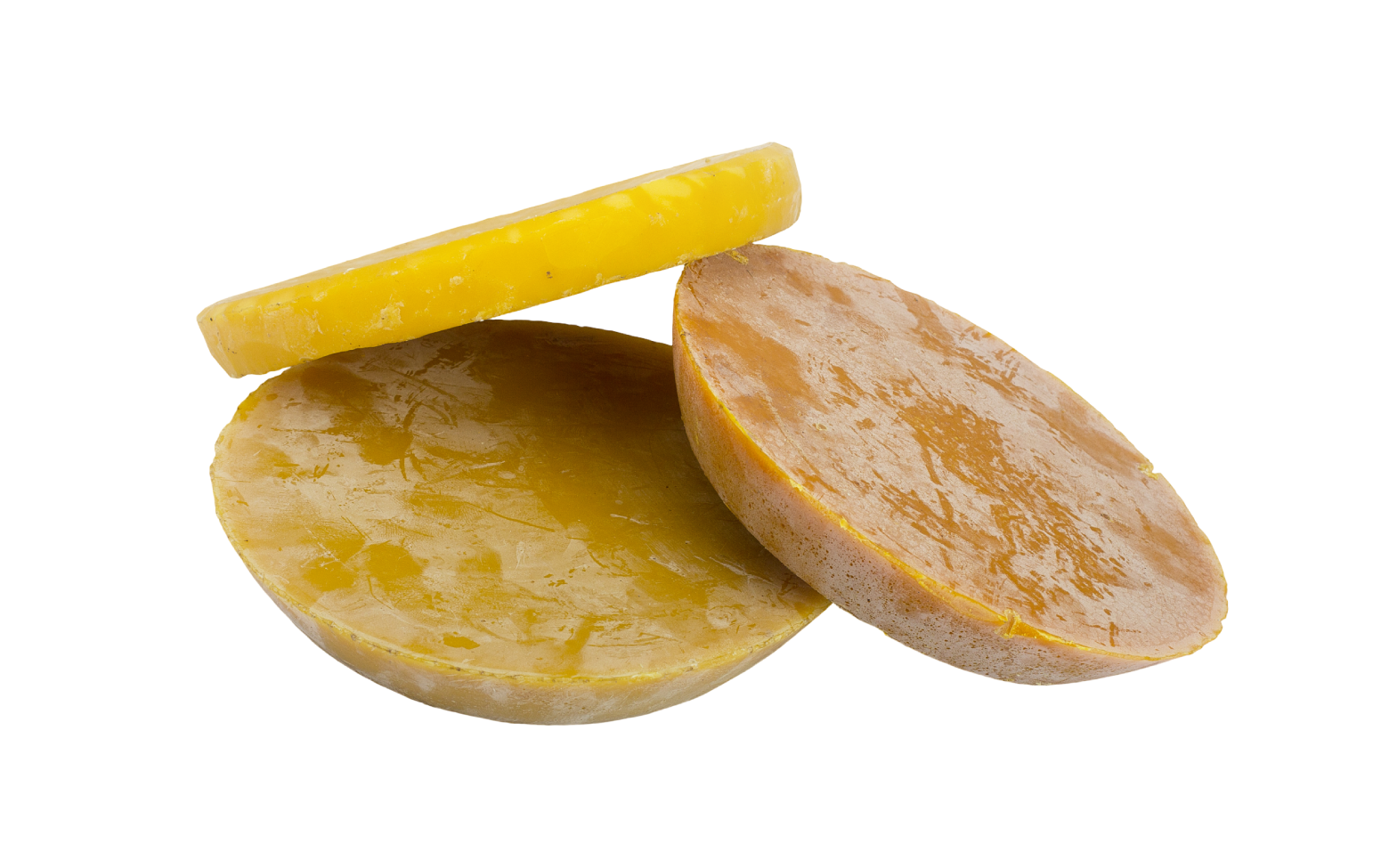

Royal jelly is a yellowish, pearlescent secretion from worker bees, used to feed the developing queen bee and sustain her during egg-laying. It has a sharp, sour taste and is rich in proteins, healthy fats, sugars, vitamins, hormones, and essential micronutrients. Authentic royal jelly contains natural inclusions such as pollen, tiny wax flakes, and plant particles, which help distinguish it from adulterated products. It has natural bacteriostatic and bactericidal properties and is considered a potent superfood, supporting energy, vitality, immune function, and overall wellness.
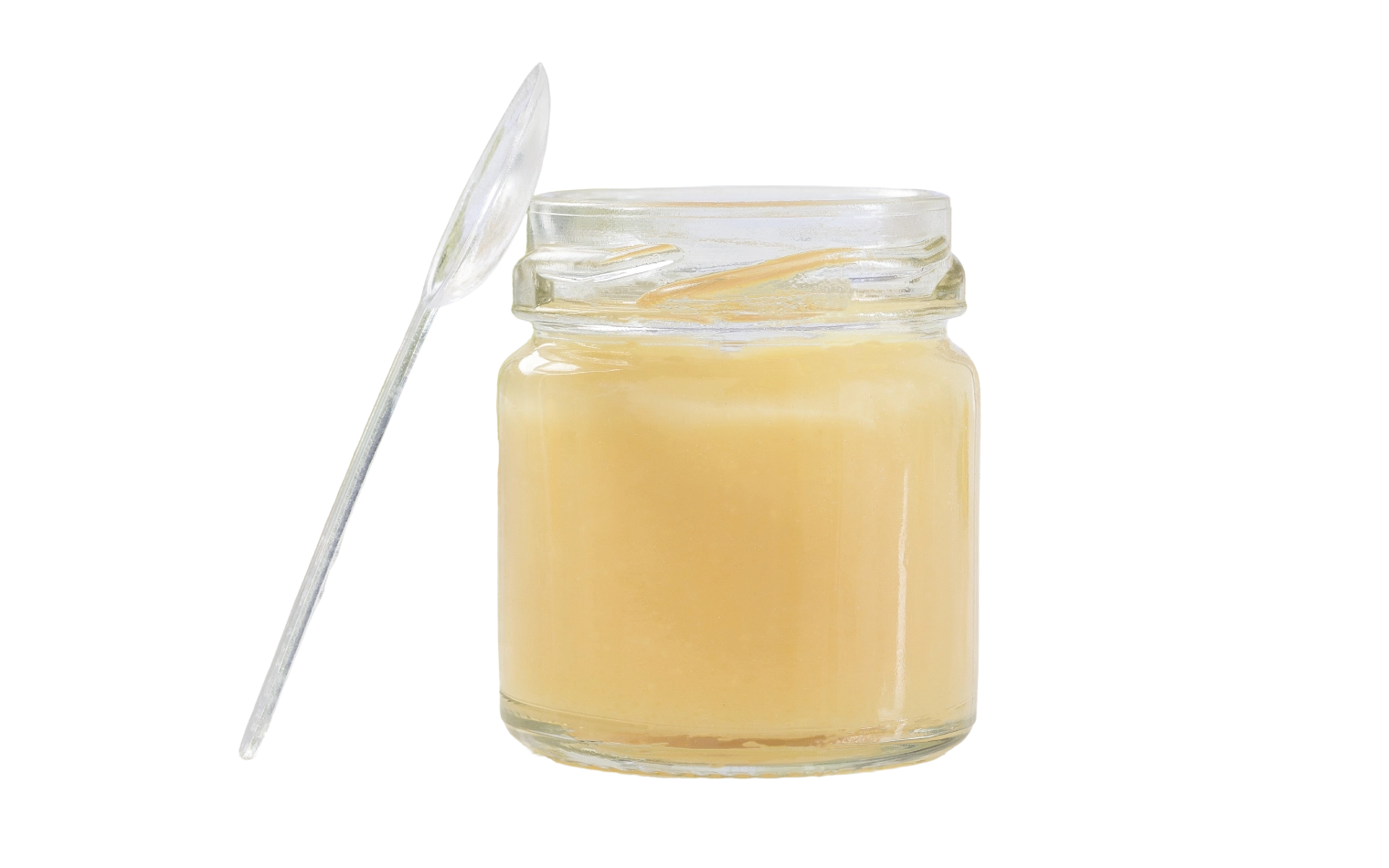
In some countries, royal jelly is considered the elixir of long life.
Japan is the world’s largest consumer of royal jelly, while in our region it is valued as one of the most potent natural biostimulators, supporting human and animal growth and development.
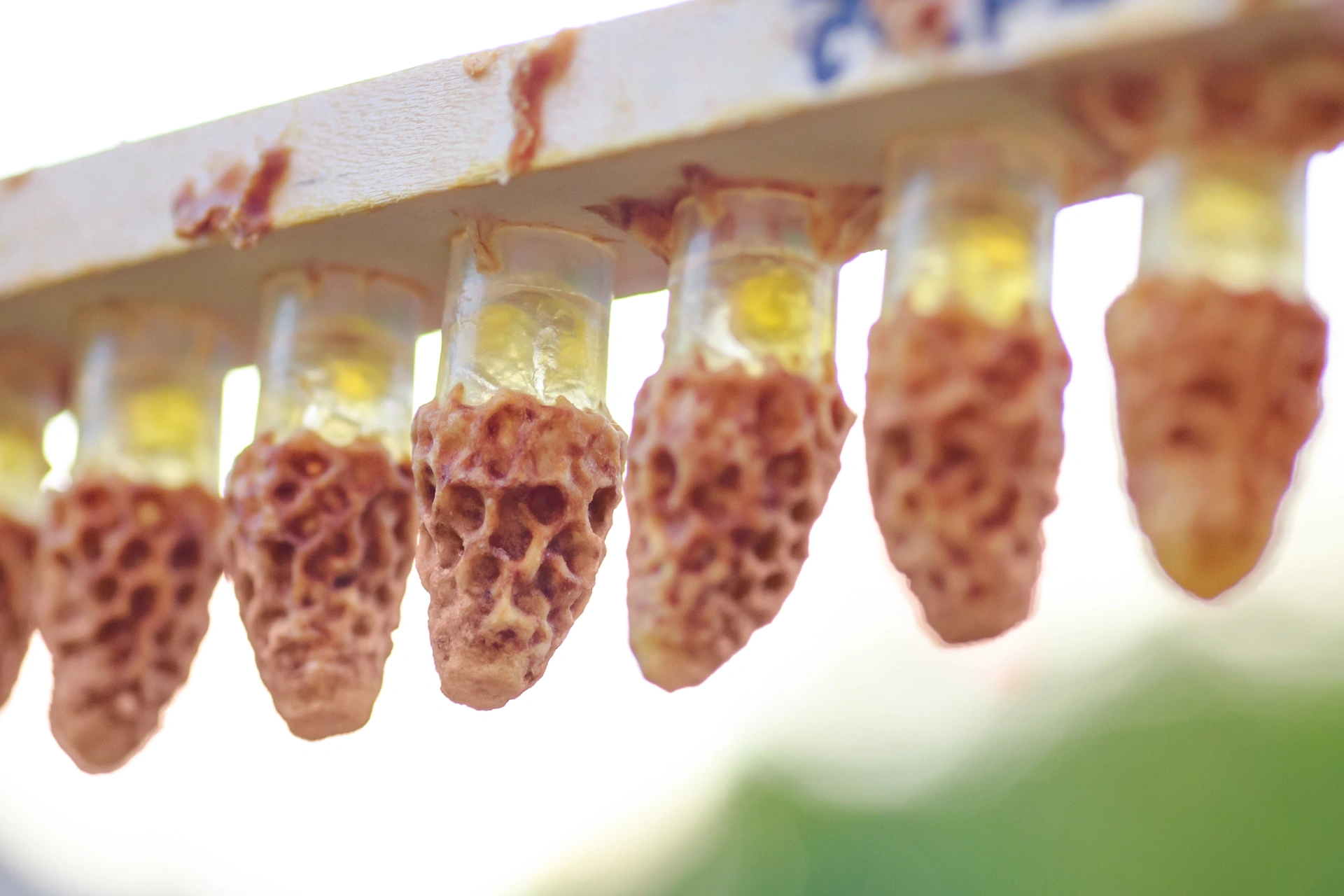
Queen bee is created, not born.
Royal jelly is the exclusive food that transforms an ordinary bee larva into a fertile queen. A fertilized egg fed royal jelly develops into a queen with a lifespan of 5–7 years and the ability to lay up to 2,500 eggs a day, while a larva fed normal worker jelly becomes a sterile worker bee living about 45 days. This shows the extraordinary power of Royal Jelly.
10 HDA
Royal jelly contains biologically active decenoic acid, known as 10-HDA (10-hydroxy-2-decenoic acid), which is a unique marker of quality and potency. Research indicates 10-HDA has antibacterial properties and may help inhibit the development of malignant tumors.
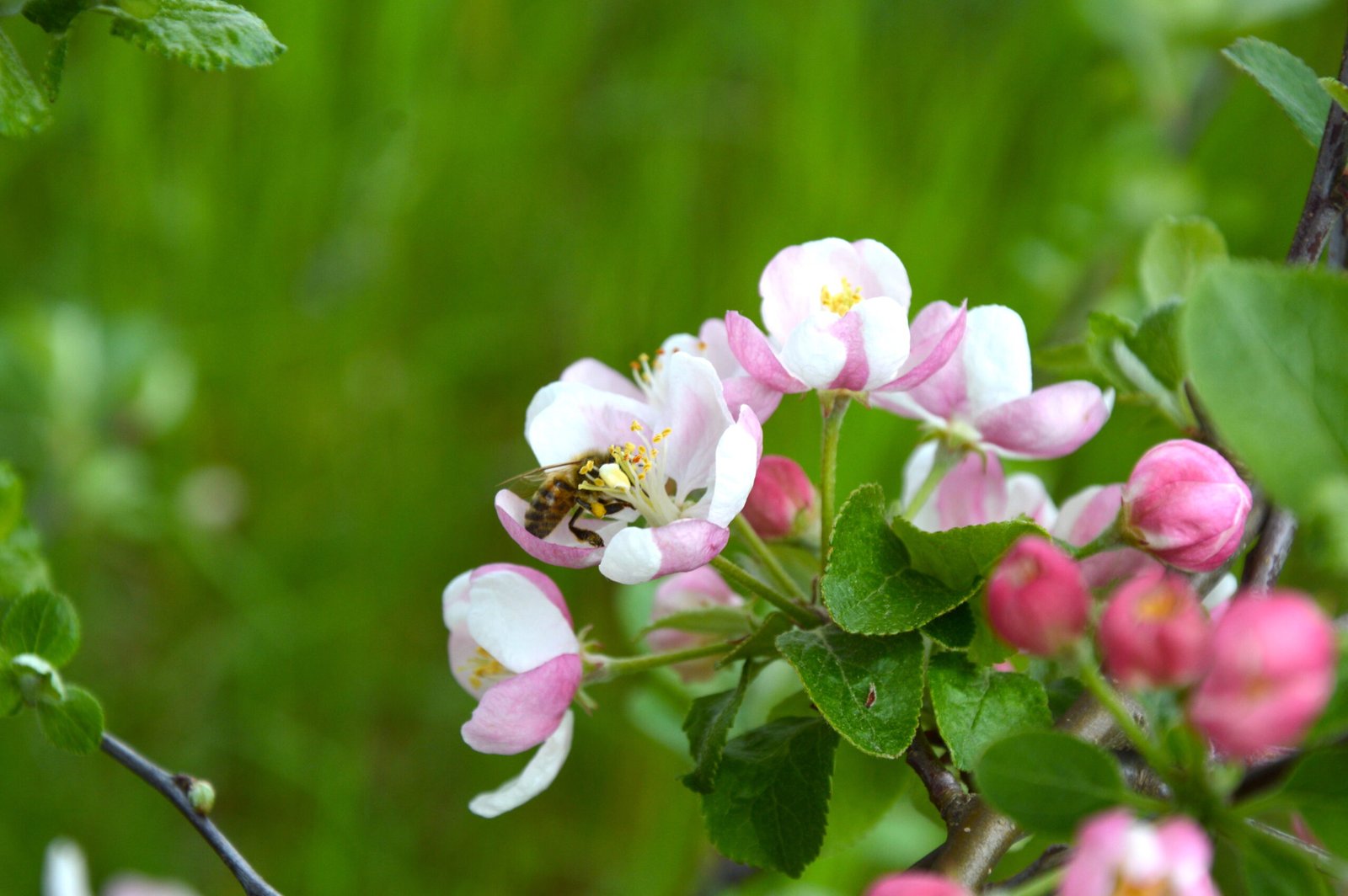
Nutrient-Rich Composition
Royal jelly contains fast-digesting carbohydrates, essential fats, proteins, and 22 amino acids vital for growth. It is also rich in vitamins, particularly B-group vitamins, and minerals such as iron, magnesium, calcium, zinc, and cobalt. Its protein structure is similar to human blood serum, which supports development, recovery, and overall vitality.
Natural antibiotic
Scientific studies confirm that royal jelly has antibiotic properties, effectively killing harmful pathogens. It improves circulation, supports heart and blood vessel health, stimulates appetite, and enhances digestive function. It is also traditionally used to help maintain healthy skin and support general wellness.
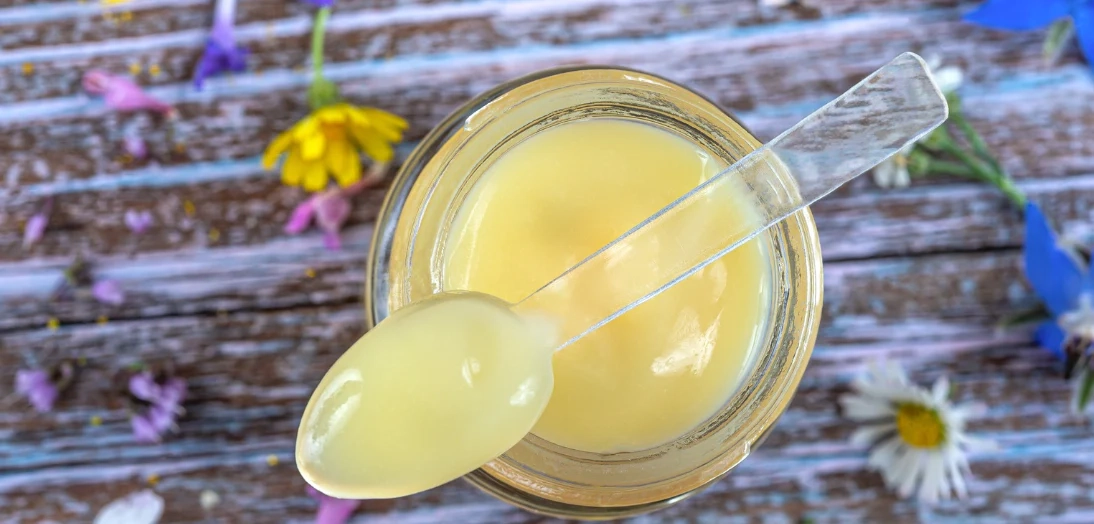

Energy and Recovery Booster
Royal jelly is a natural superfood that supplies energy, strengthens the body, and supports recovery. Its combination of nutrients, vitamins, and active compounds helps the body utilize energy from food efficiently and enhances overall vitality and resilience.
About our Royal jelly
Royal jelly is a nutrient-dense secretion produced by worker bees that plays a crucial role in both the hive and human health. It contains fast-digesting carbohydrates, essential fats—including polyunsaturated fatty acids—and proteins composed of all 22 essential amino acids. On average, natural royal jelly has 18–22% protein, 1.4–4.3% fat, and around 18% sucrose, along with a rich array of vitamins, particularly B-complex, and essential minerals such as iron, magnesium, calcium, zinc, cobalt, manganese, and sulphur. One of its most important bioactive compounds is 10-HDA (10-hydroxy-2-decenoic acid), which contributes to its unique properties and has been shown to help inhibit the development of malignant cells.
Scientific studies also highlight royal jelly’s antibiotic and bacteriostatic effects, showing that it can neutralize harmful pathogens. It supports blood circulation, promotes healthy heart function and blood pressure, and aids digestion while stimulating appetite. The diverse nutrients in royal jelly help the body assimilate energy more efficiently, support recovery processes, and strengthen overall health. Additionally, it is valued for its beneficial effects on the skin and may help in managing certain dermatological conditions. With its combination of energy-boosting nutrients, bioactive compounds, and natural hormones, royal jelly is widely regarded as a powerful superfood, supporting vitality, resilience, and general well-being.
Key quality parameters of Royal Jelly
| No | Name of parameter | Unit of measurement | Most common in the market | Requirement of our company‘s standart |
|---|---|---|---|---|
| 1. | Appearance | White - yellowish, cloudy, jelly-like substance, with small crystalline particles |
||
| 2. | Odour | % | sour, hot, typ for royal jelly | |
| 3. | 10-Hydroxy-2-decenoic acid (10 HDA) | % (g/100g) | Min 2,80 ÷ 3,5 | |
| 4. | Water and volatile substances | g/100g | 65.2 g/100 g | |
| 5. | Ash | kJ/kcal/100g | < 1.0 g/100 g | |
| 6. | pH 4.0 | g/100g | 4.0 | |
| 7. | Protein (N x 6,25) | g/100g | 14.2 g/100 g | |
| 8. | Lipids | g/100g | 4.8 g/100 g | |
| 9. | Glucose | g/100g | 4.0 g/100 g | |
| 10. | Fructose | g/100g | 4.8 g/100 g | |
| 11. | Sucrose | g/100g | 2.1 g/100 g | |
| 12. | Maltose | g/100g | 0.5 g/100 g | |
| 13. | Erlose | g/100g | 0.7 g/100 g | |
| 14. | Melezitose | g/100g | n.d. g/100 g | |
| Heavy Metals (Ph. Eur. 2.4.27) | ||||
| 15. | Lead (Pb) | mg/kg | n.d. g/100 g | |
| 16. | Cadmium (Cd) | mg/kg | n.d. g/100 g | |
| 17. | Mercury (Hg) | mg/kg | n.d. g/100 g | |
| 18. | Aflatoxins B1, B2, G1, G2 | mg/kg | n.d. g/100 g | |
| 19. | Pyrrolizidinalcaloides (PA) | µg/kg | Max 10 | |
| 20. | PAH (polycyclic aromatic hydrocarbons | Max 15 |
- Our royal jelly contains significant amounts of 10-hydroxy-2-decenoic acid, which indicates the amount of biologically active lipid compounds in the product. The 10-HDA content of 3.5% guarantees high biological activity of the product. This is a key quality indicator in royal jelly.
- Royal jelly has a pale white to light yellow colour and is noticeably lighter than the darker yellow varieties commonly found in Asia.
- It has a more pronounced aroma and a sharper, more intense flavour than royal jelly from Asia.
- It does not contain any chemical contamination or residues of pesticides, aflatoxins, pyrrolizidine alkaloids, heavy metals, or antibiotics. Pesticide residue levels are in compliance with the Ph. Eur/EC regulation No. 396/2005. Generally, they are undetectable even at the lowest laboratory levels.
- The product is GMO-free. Lithuania and the Baltic states have banned GMOs.
- Good microbiological status, complies with Ph. Eur. 5.1.8.- C.
Summary
The organoleptic characteristics and key quality parameters of the product reflect a high concentration of royal jelly and a rich content of biologically active compounds.
One of the most important components is 10-hydroxy-2-decenoic acid (10-HDA), which is responsible for many of its biological properties. A high level of 10-HDA in our royal jelly is associated with:
- antibacterial and immune-supporting activity,
- immunomodulatory and potential antitumour effects,
- support for metabolic balance, including antidiabetic properties,
- anticancer-related activity,
- mood-supporting (antidepressant) effects,
- support for healthy cholesterol levels and blood pressure,
- mild estrogen-like activity.
Applications:
- medical and therapeutic use,
- dietary supplement production,
- cosmetics and skincare industry.
How to use Royal Jelly
Natural royal jelly is typically available in frozen form in small containers or blended with other bee products, most commonly honey. The recommended daily intake for adults is 50–200 mg (approximately a pea-sized amount) for a period of 15 to 30 days. For children, the daily intake should not exceed 10–50 mg. Courses can be repeated several times a year, with a break of about one month between cycles—especially during the winter and spring seasons.
Royal jelly is best taken in the morning or at lunchtime before meals by placing it under the tongue and allowing it to dissolve slowly. This method ensures optimal absorption, as immediate swallowing may reduce its effectiveness due to digestive enzymes.
Bee products work synergistically, so royal jelly is often taken together with honey, pollen, or bee bread. A common method is to mix royal jelly with 3–4 grams of honey (about one-third of a teaspoon) and let it dissolve under the tongue. If taken multiple times per day, it is recommended to maintain consistency by using it at the same time each day.
During use, royal jelly should be stored in the refrigerator, and kept in the freezer when not in use. It is not recommended for individuals with adrenal disorders, acute internal illnesses, or exacerbated chronic conditions. Due to its natural hormone content, it is also not advised for adolescents during puberty. Royal jelly should not be taken in the evening, as its stimulating effect may interfere with sleep.
Royal jelly is not a medicine, but a natural dietary supplement that supports energy levels and overall well-being.
Why is Royal Jelly so beneficial?
Royal jelly is a completely natural and highly active substance, known for its antiseptic, immunomodulating, and detoxifying properties. It is often used to support the body during recovery periods such as after illness, surgery, or physical exhaustion, as well as during times of stress. It may also support general development and is traditionally associated with promoting lactation.
Regular use of royal jelly can help improve overall well-being, including appetite, metabolism, and energy levels. It supports heart function, cognitive performance, and physical and mental condition. In addition, it is valued for its beneficial effects on skin health—helping to improve elasticity, support regeneration, and soothe various skin conditions.
Royal jelly is also associated with supporting respiratory and cardiovascular health, including circulation and recovery after strain on the heart. It may contribute to digestive balance and is traditionally used to support the nervous system and overall vitality, including during periods of hormonal change. It is also applied in supporting skin healing and oral health.
Royal jelly is a highly concentrated and biologically active substance, rich in valuable nutrients. It supports the immune and nervous systems, contributes to cardiovascular, digestive, and endocrine function, and helps reduce inflammation while supporting the body’s natural defenses. It is also associated with supporting cognitive function and overall brain development.
- Antibacterial, immune-boosting, and potential antitumour effects
- Natural anti-inflammatory support
- Antioxidant properties
- Helps reduce fatigue and increase vitality
- Hormonal support for testosterone, progesterone, oestradiol, and prolactin, improving fertility in both men and women, as well as male sexual energy and stamina
- Promotes healthy collagen production and supports skin fibroblast function
Frequently asked questions
Lorem ipsum dolor sit amet, consectetur adipiscing elit. Praesent ligula tellus, pharetra quis justo auctor, rhoncus tempus augue. Aliquam eget augue orci. Phasellus aliquet sed nisi eu malesuada.
Royal jelly is a nutrient-rich secretion produced by the glands of young worker bees (typically 5–14 days old) to feed the queen bee. It is a pale, pearlescent substance with a distinctive aroma and a sharp, slightly sour taste. Naturally rich in proteins, healthy fats, vitamins, minerals, and bioactive compounds, royal jelly is valued for supporting vitality and overall well-being.
Authentic royal jelly may contain natural inclusions seen through microscope such as pollen, tiny beeswax flakes, and plant particles, which help distinguish it from adulterated products. Royal jelly is extracted when the queen is temporarily removed from a bee colony that is preparing to hive, and the hive cradles are broken for the collection of the jelly.
Royal Jelly is the exclusive food that transforms an ordinary bee larva into a queen. This remarkable process highlights its biological potency and is why it is often referred to as a natural “elixir of life” and a powerful biostimulator.
Scientific studies show that royal jelly is a natural and highly potent antiseptic, with immunomodulating and detoxifying properties. It exhibits bacteriostatic and bactericidal activity, helping inhibit the growth and replication of harmful microorganisms, including certain viruses.
10-HDA (10-hydroxy-2-decenoic acid) is a unique bioactive compound found only in Royal Jelly. It is a key indicator of quality and is associated with antibacterial, immune-supporting, and other beneficial biological effects.
Our Royal Jelly contains a significant amount of 10-hydroxy-2-decenoic acid (10-HDA) content – of 3.5%, which indicates high activity and is a very important marker of overall product quality.
The protein composition of Royal Jelly closely resembles that of human blood serum. In our region, it is regarded as one of the most powerful natural biostimulators of animal origin, known for its ability to support and regulate development processes in both humans and animals.
Our Royal Jelly is characterised by a high content of 10-hydroxy-2-decenoic acid (10-HDA), a key bioactive lipid that reflects its biological potency. With a 10-HDA level of 3.5%, it demonstrates strong activity and serves as an important indicator of product quality. In addition, it is free from pesticide residues, heavy metals, and other contaminants, and is GMO-free.
Although the exact composition of Royal Jelly can vary depending on the age of the bees and the quality of available forage, its core structure remains consistent. It typically contains 60–70% water, around 20% protein, 1.4–4.3% fats, and approximately 18% sucrose. It also provides a wide spectrum of vitamins—including B-complex, A, C, D, PP, and E—along with 14–15 essential micronutrients.
Royal Jelly contains 22 amino acids necessary for normal growth, many of which cannot be produced by the human body and must be obtained through diet. It is particularly rich in minerals such as iron, sulphur, magnesium, manganese, calcium, zinc, and cobalt. In addition, it includes naturally occurring hormones, acetylcholine, and other biologically active compounds.
Due to its unique composition, royal jelly is highly digestible, with the human body able to absorb up to 80% of its active components.
Scientific studies indicate that royal jelly is a natural and highly active substance with antiseptic, immunomodulating, and detoxifying properties. It demonstrates bacteriostatic and bactericidal activity, helping to inhibit the growth and replication of harmful microorganisms, including certain viruses.
Royal jelly is associated with a wide range of beneficial effects:
- Helps regulate both high and low blood pressure
- Is often used to support paediatric health
- Supports individuals with chronic respiratory conditions and hypotrophy symptoms
- May help in cases of bronchial asthma
- It is a natural biostimulator and tonic
- Contributes to cardiovascular health
- May support early-stage cerebrovascular atherosclerosis with neurovegetative symptoms
- Helps lower cholesterol
- Supports circulation and may assist in conditions such as leg endarteritis by dilating blood vessels
- Helps regulate metabolism and ease vascular spasms
- May help patients with diabetes by lowering blood sugar balance and increasing insulin stability
- It is recommended after surgeries, injuries and may support burn care
- Used in skincare formulations for conditions such as seborrheic eczema, psoriasis, and neurodermatitis
- Helps improve skin softness, tone and eliminate facial spots
- Traditionally used to support immunity during colds and flu
- May help ease symptoms associated with menopausal imbalance
- Associated with supporting sexual health and performance
- Helps reduce inflammation in the oral cavity
- May support emotional balance and mood
- Exhibits antibacterial and anti-inflammatory effects
- Supports the function of endocrine glands
- Contributes to overall cardiovascular function
- May help improve the body’s resilience during radiation-related treatments
Royal jelly is best taken in the morning or before lunch, ideally before meals. For maximum absorption, it should be placed under the tongue and allowed to dissolve slowly. This method allows the active compounds to enter the bloodstream directly through the oral mucosa. Swallowing it immediately is not recommended, as digestive enzymes may reduce its effectiveness.
The recommended daily intake for adults is 50–200 mg (approximately the size of a rice grain equals 80–100 mg), taken over a period of 15 to 30 days. For children, the daily amount should not exceed 10–50 mg.
Royal jelly can also be mixed with honey in a ratio of 1:10, taking about one teaspoon of the mixture 2–3 times per day before meals. It may also be consumed in other forms such as tablets or capsules, following the manufacturer’s instructions.
For best results, royal jelly is typically taken in courses of up to one month, which can be repeated several times a year with a break of about one month between cycles—especially during winter and spring.
Is royal jelly safe for everyone?
Royal jelly is generally safe for most people and is widely used as a natural dietary supplement. However, it is not recommended for:
- Individuals with allergies to bee products (rare allergic reactions can occur, and any adverse effects should lead to immediate discontinuation).
- People with adrenal disorders, such as Addison’s disease.
- Those with acute internal illnesses, such as pneumonia or gastritis.
- Adolescents during puberty, due to the naturally high hormone content of royal jelly.
High doses of royal jelly (above 500 mg per day) have been observed in research to potentially stimulate the growth of malignant tumours. Normal, recommended doses of 50–200 mg per day do not show these negative effects.
Royal jelly should not be taken late at night, as its tonic effect may interfere with sleep. For therapeutic or prolonged use, it is advisable to consult a doctor or a certified apitherapy specialist.
Pure royal jelly is best stored in the freezer, typically in small glass containers (5–15 g), to preserve its biological activity. Before use, allow the container to sit at room temperature for 2–3 minutes, then take a small amount (about the size of a rice grain) using a clean, preferably glass, spatula.
During regular use, royal jelly can be kept in the refrigerator. For longer storage periods or when not in use, it should be returned to the freezer. Exposure to room temperature for extended periods can reduce its effectiveness, as its active compounds begin to break down and the colour may gradually turn more yellow.
Royal jelly can also be mixed with honey (1 part royal jelly to 10 parts honey) and stored in a cool place or refrigerator. Other natural forms of royal jelly—such as mixtures, ampoules, or suppositories—should also be kept refrigerated. Freeze-dried royal jelly, however, can be stored at room temperature in a dark, dry, and well-ventilated environment.
Royal jelly typically has a pale white to light yellow colour and a sharp, slightly sour taste. Variations in colour, aroma, and flavour depend on origin and composition, with lighter tones often indicating higher purity.