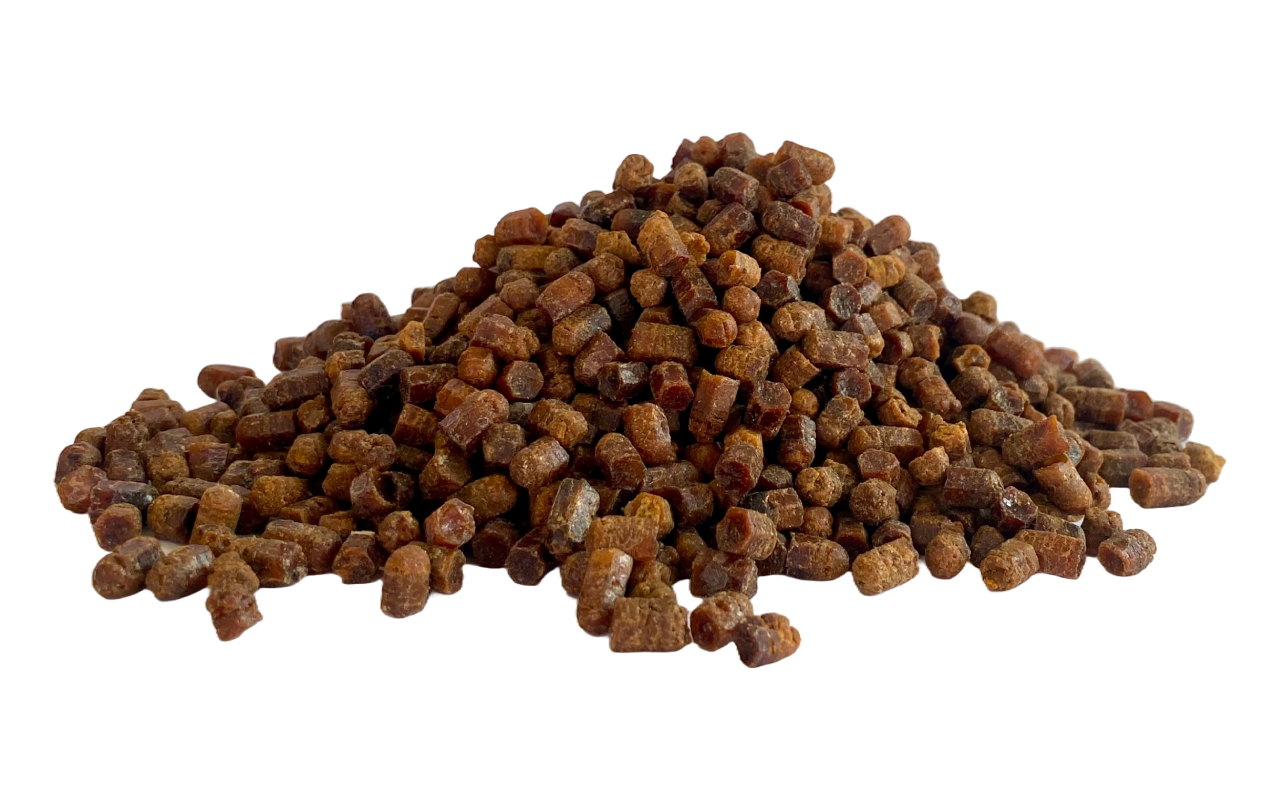
Bee Pollen

Although we often think that bees only collect nectar, a medium-sized colony also gathers up to 10 kg of pollen per season. Pollen is an essential part of the bee diet, providing a wide range of nutrients, including proteins, carbohydrates, lipids, vitamins, and minerals.

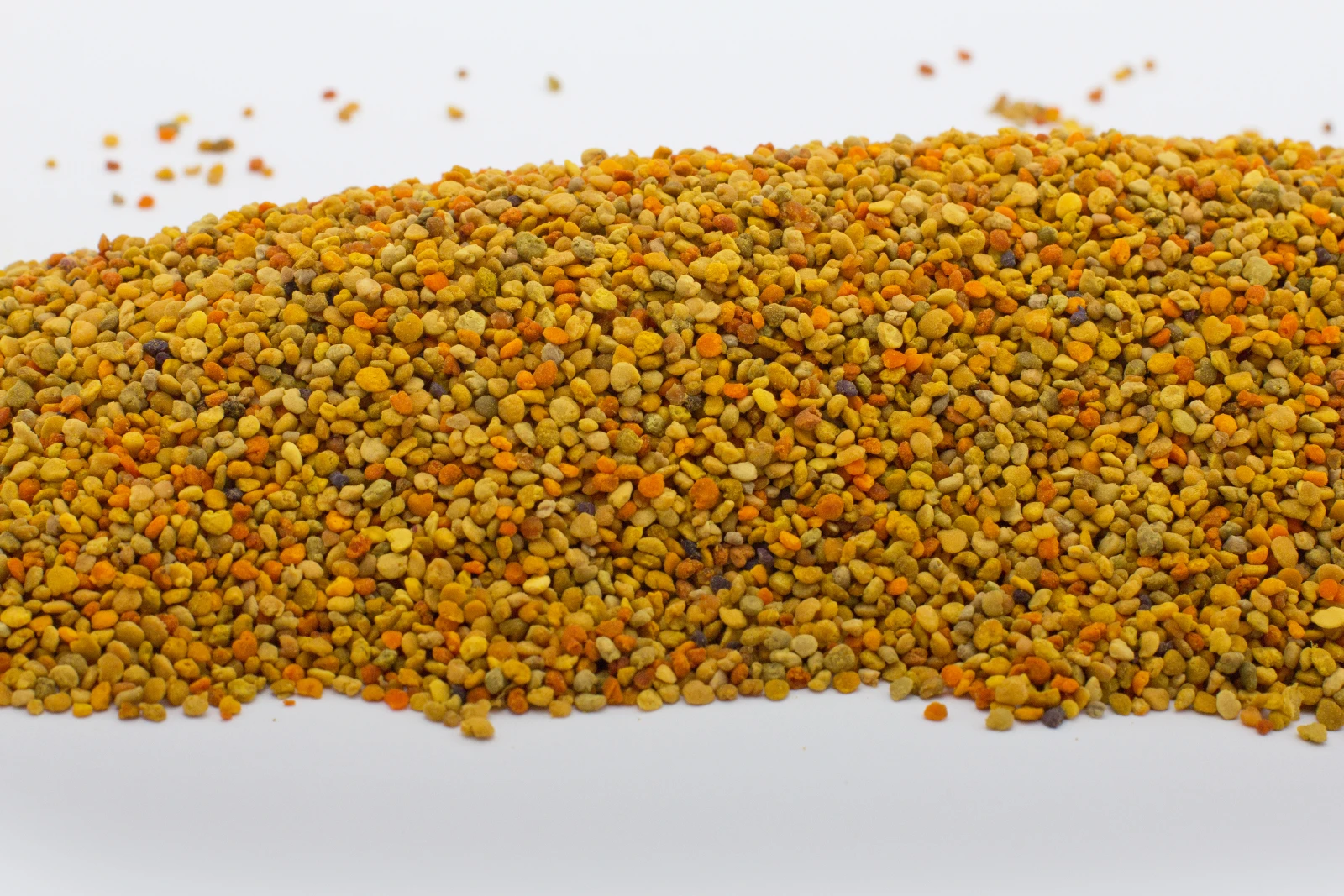
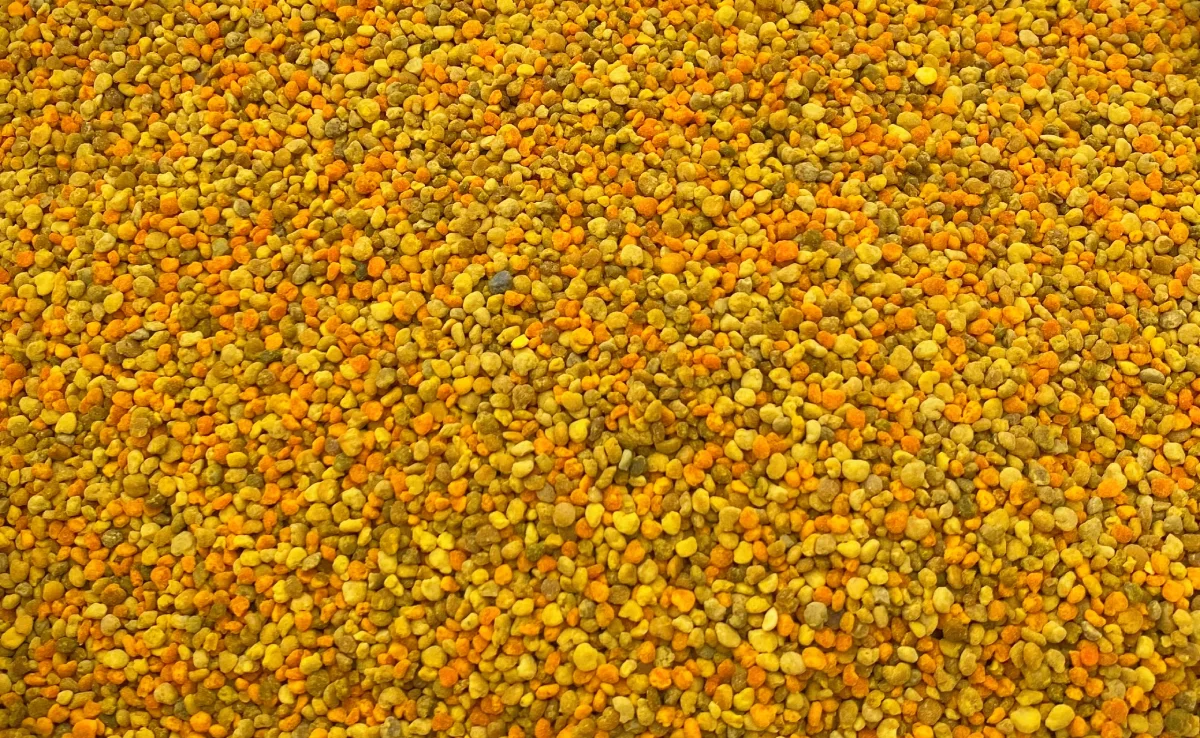
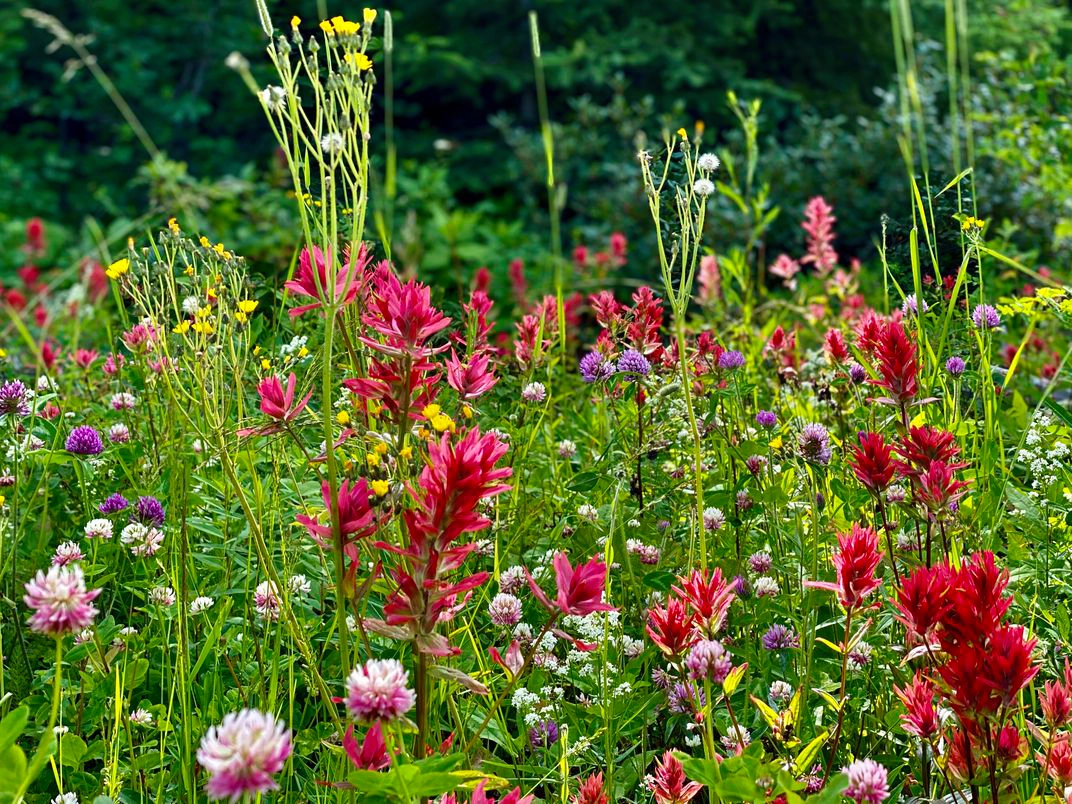
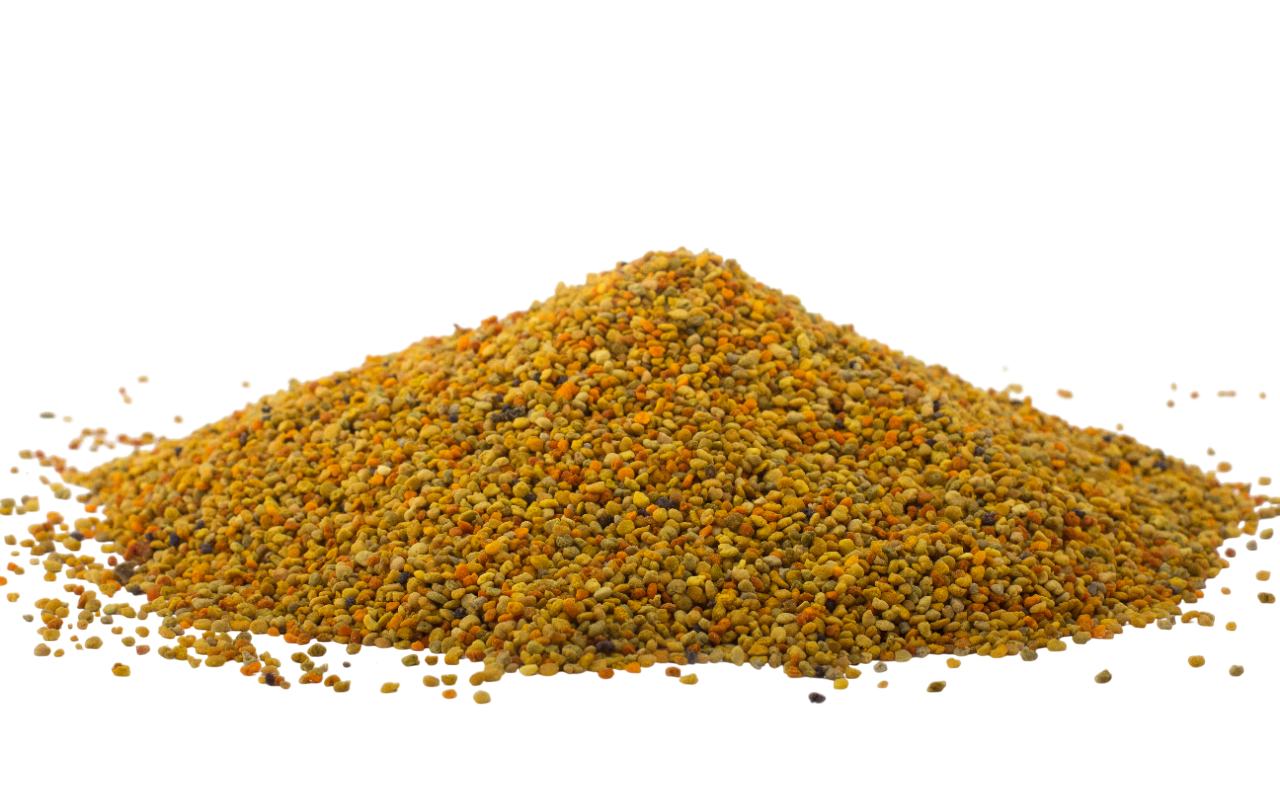
Lithuanian and Baltic pollen is characterised by a large variety of colours. It is collected from over 70 different plants, predominantly wildflowers.

Bee Pollen is a natural source of biologically active vitamins and proteins, containing almost all the nutrients required by the human body, including proteins, enzymes, antioxidants, making it one of nature’s most complete foods.

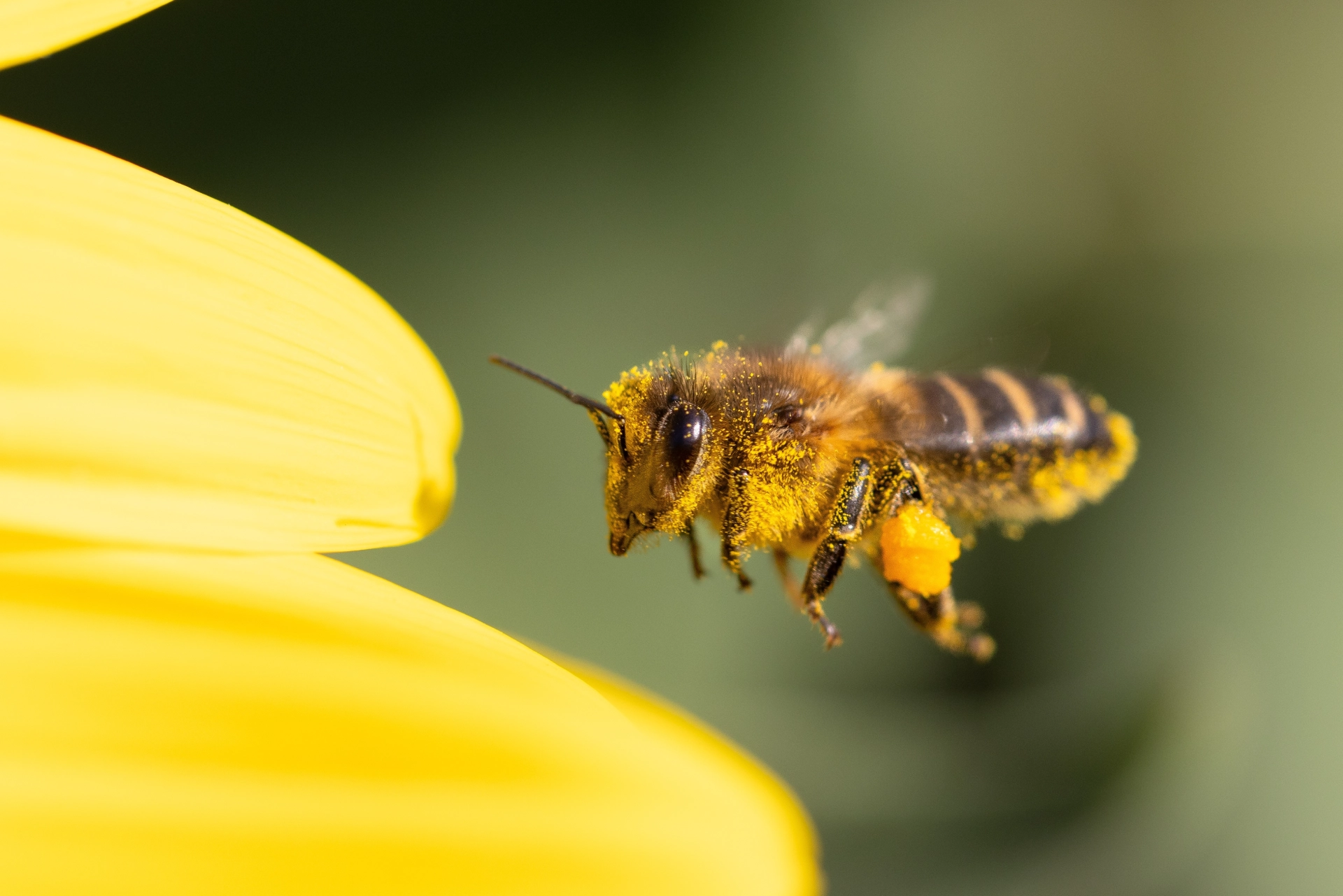
During a single journey, a bee can carry almost half of its body weight in pollen using its pollen baskets. Typically, bees collect pollen from just one type of flower per trip. This natural behaviour helps ensure effective pollination. For example, a bee visiting a blackberry shrub will continue collecting pollen there until the flowers are fully pollinated, and only then move on to another plant.

Natural Pollen collection

As a bee flies, its body charges with a positive static charge. Because pollen carries a negative charge, it naturally sticks to the bee’s fine body hairs. The bee then moistens its front legs and carefully transfers the pollen to its back legs to prevent it from spreading to other flowers. The pollen is collected and packed into special structures called pollen baskets (corbiculae), forming a compact, sticky pollen mass.

Safe journey back to the hive

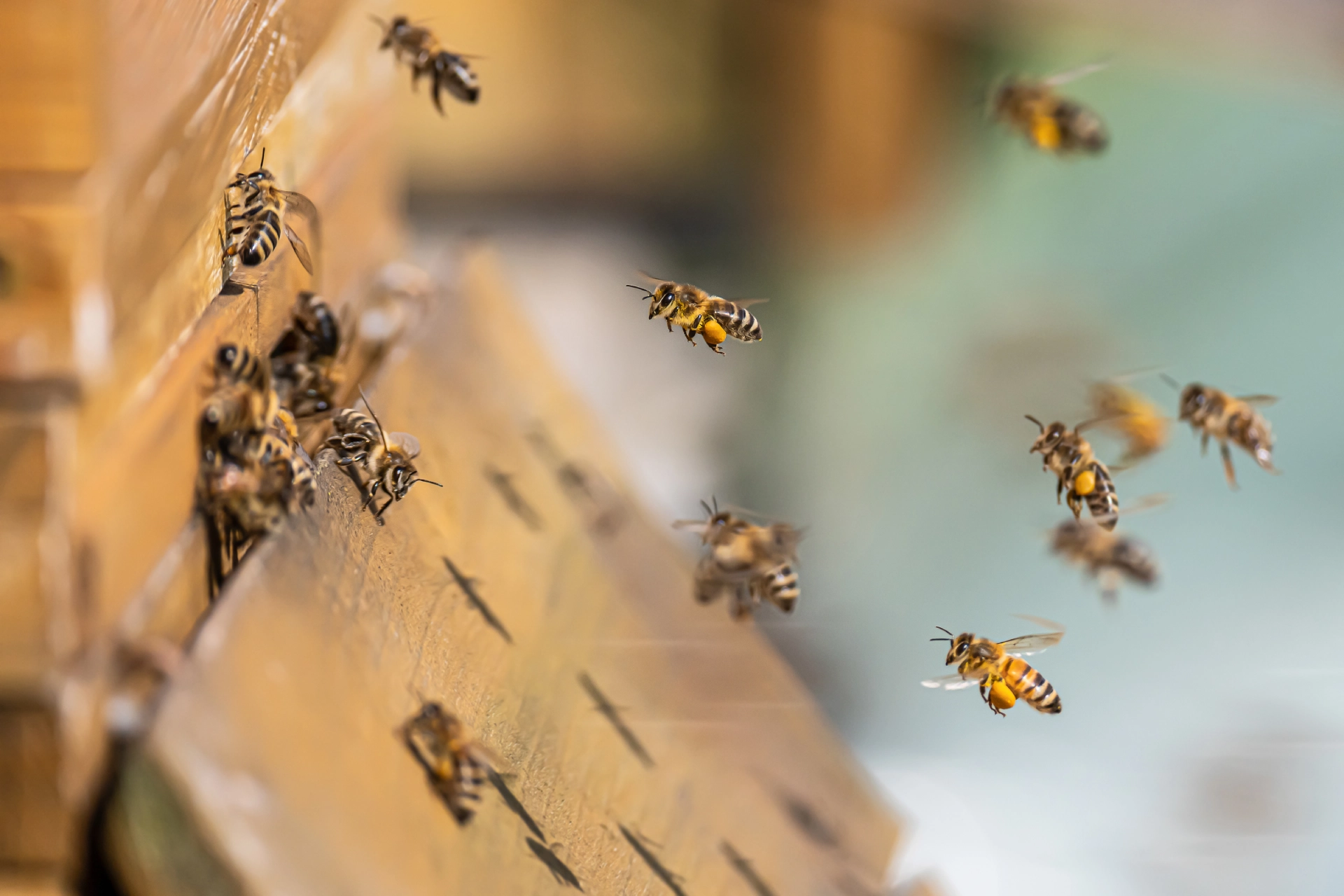
Once the pollen baskets are full, the bee returns to the beehive. Although the pollen may appear loose, it is transported very securely. Research shows that removing pollen from a bee’s legs requires a force up to 20 times greater than what the bee experiences during flight.

Rich plant-based nutrition

Bees collect pollen from a wide variety of plants, naturally selecting those with the highest nutritional value. Pollen is a major source of nutrients for bees, providing proteins, fats, vitamins, and important micronutrients including calcium, magnesium, iron and zinc.

A natural superfood

Bee pollen is widely used as a dietary supplement for both humans and animals. It is considered a natural source of biologically active vitamins and proteins, containing nearly all the nutrients required by the human body, making it one of nature’s most complete foods. Pollen is a great source of proteins, enzymes and offers more antioxidants than any fruit or vegetable.

Lithuanian botanical diversity

Our bee pollen stands out due to the unique flora of northern latitudes, where bees can collect pollen from up to 70 different plant species within a single season. Many of these plants are not found in other regions, giving the pollen a distinctive botanical profile. As a result, it is known for its richer composition, unique taste and aroma, wide colour variety and higher concentration of biologically active compounds.

Floral sources of Baltic Bee Pollen

Baltic bee pollen is a reflection of the rich and diverse plant availability in our region. Each granule carries the signature of the flowers from which it was collected—resulting in a natural palette of colors, aromas, and flavors.

Thanks to the wide variety of wild meadows, forests and flowering plants in the Baltics, our bee pollen is exceptionally diverse compared to many other regions. Laboratory analysis shows a broad spectrum of up to 70 plant sources in our Bee Pollen.

This diversity not only creates beautiful variations in color—from bright yellows and warm oranges to deep greens and browns—but also influences taste and nutritional profile. For example, bee pollen from other regions, such as Southern Europe, may come from a more limited range of plants resulting in a different flavor and appearance.

Explore the dominating plants from which the Baltic Bee Pollen is collected:
Raspberry (Rubus)
Mustard (Sinapis)
Crucifers (Brassicaceae)
Rapeseed (Brassica napus)
Pear / Fruit Blossom (Pyrus / Prunus)
White Clover (Trifolium repens)
Willow (Salix)
Birch (Betula)
Chervil (Anthriscus)
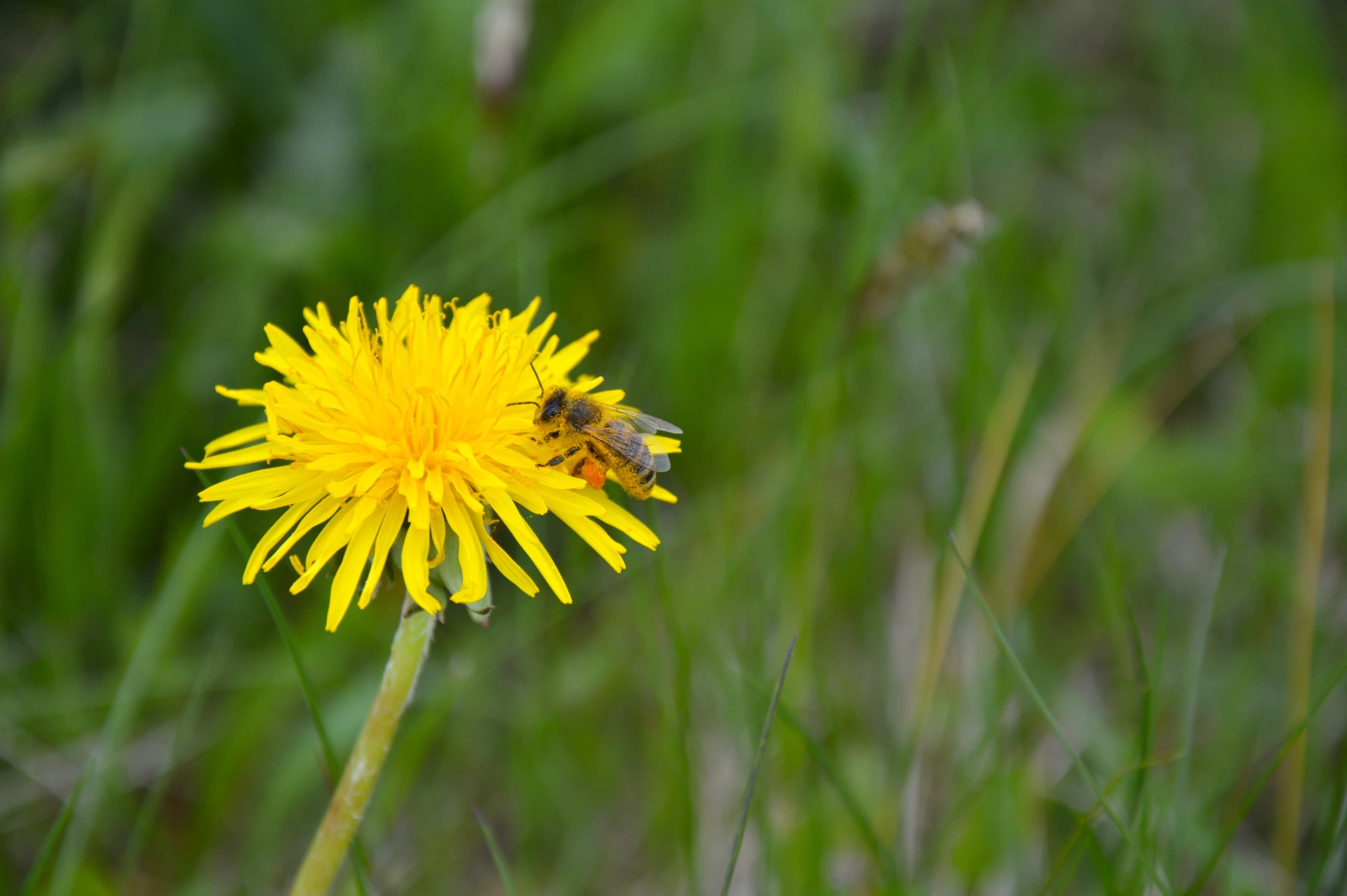
Dandelion (Taraxacum)
Sweet Clover (Melilotus)
Pine (Pinus)
Buckwheat (Fagopyrum)
Grasses (Poaceae)
Oak (Quercus)
Heath (Erica)
Thistle-type (Serratula)
Bean (Vicia faba)
Vetch (Vicia)
Honeysuckle (Lonicera)
Bird’s-foot Trefoil (Lotus)
Privet (Ligustrum)
Meadow Sweet (Filipendula)
Poppy (Papaver)
Phacelia (Phacelia)
Thistle (Cirsium)
Carrot / Parsley Family (Apiaceae)
Yarrow (Achillea)
Dogwood (Cornus)
Horse-Chestnut (Aesculus hippocastanum)
Goat’s Rue (Galega orientalis)
Dock (Rumex)

Nutritional value of Bee Pollen

The most significant component of bee pollen is its complete protein content, or more precisely amino acids, which typically makes up around 26% to 40% of its composition. Bee Pollen contains 5 to 7 times more amino acids than beef or eggs. In addition, pollen includes nucleic acids, nucleoproteins, and approximately 20% plant-based lipids.

Bee pollen is also a rich source of vitamins, including D, B1, B2, B5, B6, PP, E, and C, as well as biotin and folic acid. It contains high levels of potassium (around 400 mg per 100 g), along with significant amounts of phosphorus and magnesium, and trace elements such as iron, zinc, and cobalt.

Its fatty acid profile includes alpha-linolenic acid (omega-3), linoleic acid (omega-6), oleic acid (monounsaturated), and palmitic acid (saturated). In addition, pollen contains lipids, phytocompounds such as carotenoids and phenols (including flavonoids and phytosterols), as well as active enzymes, coenzymes, hormones, and antioxidant enzymes. Bee Pollen fibers serve as a prebiotic for our digestive microbiota.

Pollen consists of granules collected from a wide variety of plants, which vary depending on the region and season. Fresh pollen spoils quickly, so it is typically dried or frozen to preserve its nutritional value. In the hive, however, bees naturally ferment pollen, increasing the bioavailability of its phytocompounds and allowing it to be stored at around 35°C for more than a year. This fermented form is known as bee bread.

Pollen is not a medicine, but a natural dietary supplement.
One tablespoon of Bee Pollen contains:

  • 16 calories
  • 0.24 grams of fat
  • 1.2 grams of protein
  • 2.18 grams of carbohydrates
  • 250 types of nutrients, including vitamins and flavonoids.

Recommended dose:

  • For adults: 20 g or 1 tablespoon per day
  • For children: use an amount of Bee Pollen (in grams) equal to the child’s age. For example, a 5-year-old child may take approximately 5 grams per day.

In rare cases people may experience allergic reactions to bee products. Stop taking this supplement immediately if you experience an allergic reaction as itching or swelling.

Biologically active pollen ingredients

Biological activityActive ingredients
Anti-inflammatoryLycopene (carotenoid) and phytosterols
AntioxidantCarotenoids and phenols
Antibacterial, anticarcinogenic and antiviralFlavonoids, including herbacetin, isorhamnetin, kaempferol, luteolin, myricetin, quercetin, rutin and tricetin
Overall impactLutein and zeaxanthin (carotenoids), nutrients, and phytosterolsmedžiagos ir fitosteroliai"

Effects of bioactive pollen components on human health:

  • Proteins: Bee pollen contains a complete and balanced spectrum of amino acids.
  • Vitamins: Pollen includes a wide range of vitamins and is particularly rich in nicotinic acid (vitamin B3), pantothenic acid (vitamin B5), and riboflavin (vitamin B2).
  • Minerals: It provides a broad spectrum of essential micronutrients required for the proper functioning of organs and physiological processes.
  • Lipids: Bee pollen is a healthy source of dietary fats. Its fatty acid profile includes alpha-linolenic acid (omega-3), linoleic acid (omega-6), oleic acid (monounsaturated), and palmitic acid (saturated).
  • Phytocompounds: Phytocompounds represent one of the most significant nutritional aspects of pollen. Although their composition varies depending on plant origin, pollen is rich in carotenoids, phenolic compounds, flavonoids, and phytosterols, known for their antioxidant and protective properties.
  • Active Enzymes Fresh pollen contains a variety of active enzymes, coenzymes, and hormones. Antioxidant enzymes, such as catalase, play an important role in protecting cells from oxidative stress caused by free radicals.

The key quality parameters of our Bee Pollen in terms of superiority over the competitors

NoName of parameterUnit of measurementMost common in the marketRequirement of our company‘s standart
1.Protein%< 10 ÷ 19Min 23
2.Ashes%Max 2,8
3.Total fatg/100gMin 11
4.Calorific value kJ/kcal/100g1794/425
5.Total sugarg/100g33,5
6.Carbohydrates, calculatedg/100g56,4
7.Saturated fat g/100g4,30
8.Monounsaturated fatty acidsg/100g1,10
9.Polyunsaturated fatty acidsg/100g5,50
10.Heavy Metals (Ph. Eur. 2.4.27)
Lead (Pb)mg/kgMax 0,05
Cadmium (Cd)mg/kgMax 0,08
Mercury (Hg)mg/kgNot detected
11.Pyrrolizidinalcaloides (PA)µg/kg> 120Max 50
12.PAH (polycyclic aromatic hydrocarbons)µg/kg> 100Max 26
  • Lithuanian and Baltic pollen is characterised by a large variety of colours. It is collected from over 70 different plants, predominantly wildflowers.
  • It has a sweet and soft flavour that is not overly intense, accompanied by a pleasant aroma of honey, meadows, and flowers, which is unique to the Baltic region.
  • It is well-dried with moisture levels of ≤ 9%. It is clean and free of fine powder.
  • Rich and well-balanced chemical composition, containing a full spectrum of naturally occurring bioactive compounds
  • It does not contain any chemical contamination or residues of pesticides, aflatoxins, pyrrolizidine alkaloids, heavy metals, or antibiotics. Pesticide residue levels are in compliance with the Ph. Eur/EC regulation No. 396/2005. Generally, they are undetectable, except for one-off pesticides, which are detectable at the lowest laboratory levels, but their residue levels never exceed the maximum levels.
  • The product is GMO-free. Lithuania and the Baltic states have banned GMOs.
  • Good microbiological status, complies with Ph. Eur. 5.1.8.- C.
  • Suitable for multiple applications, including dietary supplements, pharmaceuticals, and cosmetic formulations.
  • Ready for direct consumption – can be used in granular form or mixed with liquids, honey, yoghurt, and other foods.
  • Suitable for storage up to 2 years under recommended conditions.

Why is Pollen so beneficial?

Bee pollen is associated with a wide range of beneficial effects on human health. It may help support prostate health, reduce the risk of inflammation, cancer and contribute to cardiovascular function, improve elasticity of capillaries. 

It is also linked to supporting cognitive dissonance, reducing inflammation and cholesterol levels, and promoting reproductive health and fertility. In addition, its antioxidant properties may help protect against cataracts and macular degeneration.

Bee pollen may contribute to slowing certain aging processes, supporting digestive function, and maintaining overall metabolic balance. It has also been traditionally used to help with urinary and venereal diseases.

Pollen exhibits antibacterial, antiviral, and antioxidant properties. Its content of anti-allergenic, anti-inflammatory, and immunomodulatory compounds may help alleviate symptoms associated with seasonal allergies, such as hay fever.

Frequently asked questions

Lorem ipsum dolor sit amet, consectetur adipiscing elit. Praesent ligula tellus, pharetra quis justo auctor, rhoncus tempus augue. Aliquam eget augue orci. Phasellus aliquet sed nisi eu malesuada.

Bee pollen is a natural product collected by bees from flowering plants. It consists of pollen grains mixed with small amounts of nectar and bee enzymes, forming nutrient-rich granules. It is an essential food source for bees and a highly valued dietary supplement for humans.

As bees fly, their bodies develop a static charge that attracts pollen particles. The pollen sticks to the fine hairs on their bodies and is then transferred to the hind legs, where it is packed into pollen baskets (corbiculae). Once collected, it is transported safely back to the hive.

Bee pollen contains a wide spectrum of nutrients, including proteins, amino acids, vitamins, minerals, enzymes, and antioxidants. It is often described as one of the most complete natural foods for the human body due to its balanced and highly bioactive composition.

Lithuanian bee pollen is collected from a highly diverse range of wild plants, often up to 70 species per season. This unique botanical diversity gives it a richer composition, wider colour range, distinctive soft and sweet flavour and pleasant aroma compared to pollen from other regions.

Bee pollen is rich in complete proteins (26–40%), essential amino acids, vitamins (including B-complex, C, D, and E), minerals such as potassium, magnesium, iron, and zinc, as well as fatty acids (omega-3 and omega-6). It also contains flavonoids, carotenoids, and other antioxidant compounds.

Bee pollen may support immune function, cardiovascular health, and metabolic balance. It is associated with anti-inflammatory, antioxidant, antibacterial and antiviral properties. It may also help support digestion, reproductive health, protection against oxidative stress and seasonal allergies.

Bee pollen can be consumed in its natural granular form or mixed with honey, water, yoghurt or other foods. It is commonly used as a dietary supplement in daily nutrition. It is recommended to use Bee Pollen in cycles: consume Bee Pollen for 3 weeks with a week break afterwards.

Recommended dose:

  • For adults: 20 g or 1 tablespoon per day
  • For children: use an amount of Bee Pollen (in grams) equal to the child’s age. For example, a 5-year-old child may take approximately 5 grams per day.

In rare cases people may experience allergic reactions to bee products. If you notice symptoms such as itching, swelling, or irritation, discontinue use immediately and seek medical advice if necessary.

High-quality bee pollen is minimally processed. It is typically dried or frozen to preserve its nutritional value, without any chemical or thermal treatment, food irradiation (ionizing radiation) that could degrade its active compounds.

Bee bread is fermented pollen stored in the hive. Through natural fermentation, its nutrients become more bioavailable, and it can be preserved by bees for long periods at hive temperature.

Other products

The Baltic region’s clean and diverse natural environment gives conditions for bees to collect natural and pure products, containing beneficial components as enzymes, vitamins, micronutrients, antioxidants and flavonoids.

Honey

Bee Bread

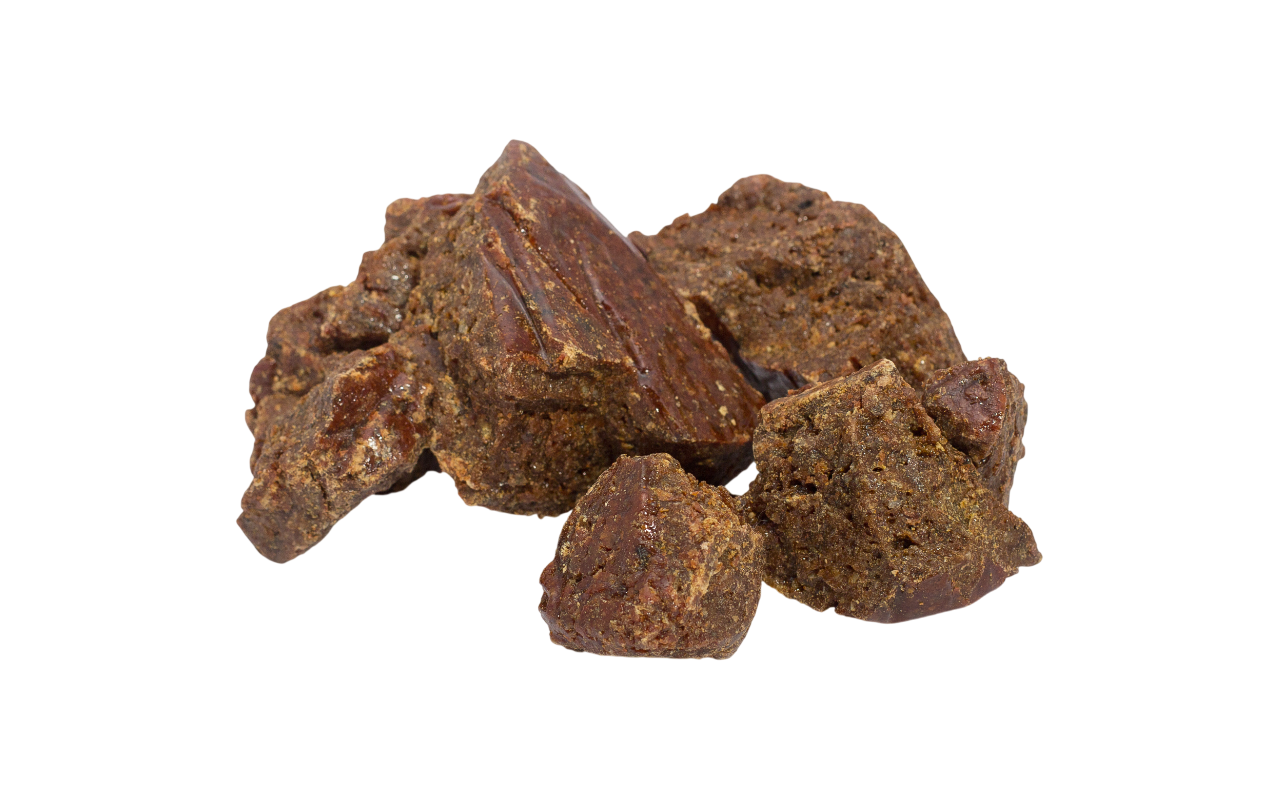
Propolis

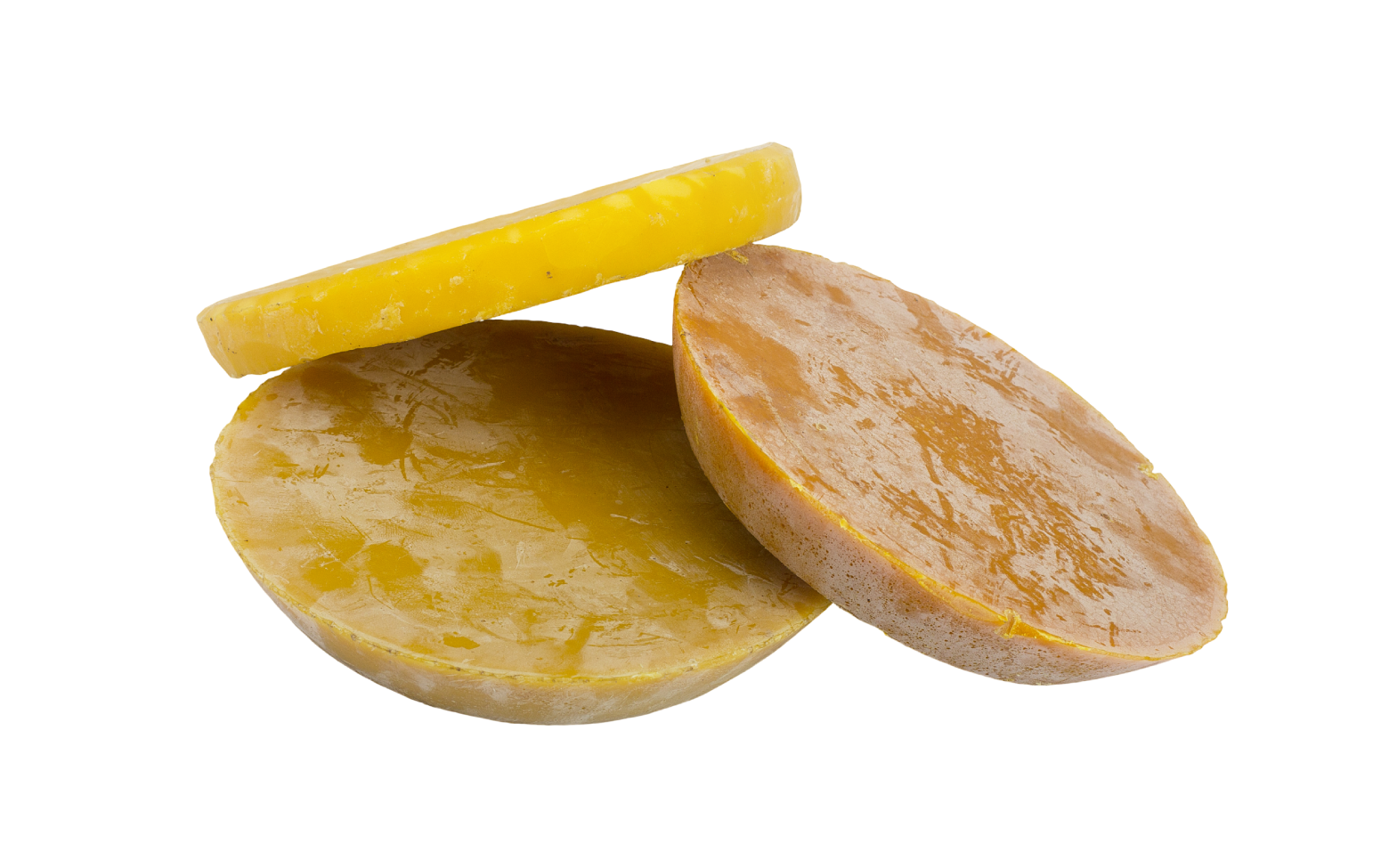
Beeswax

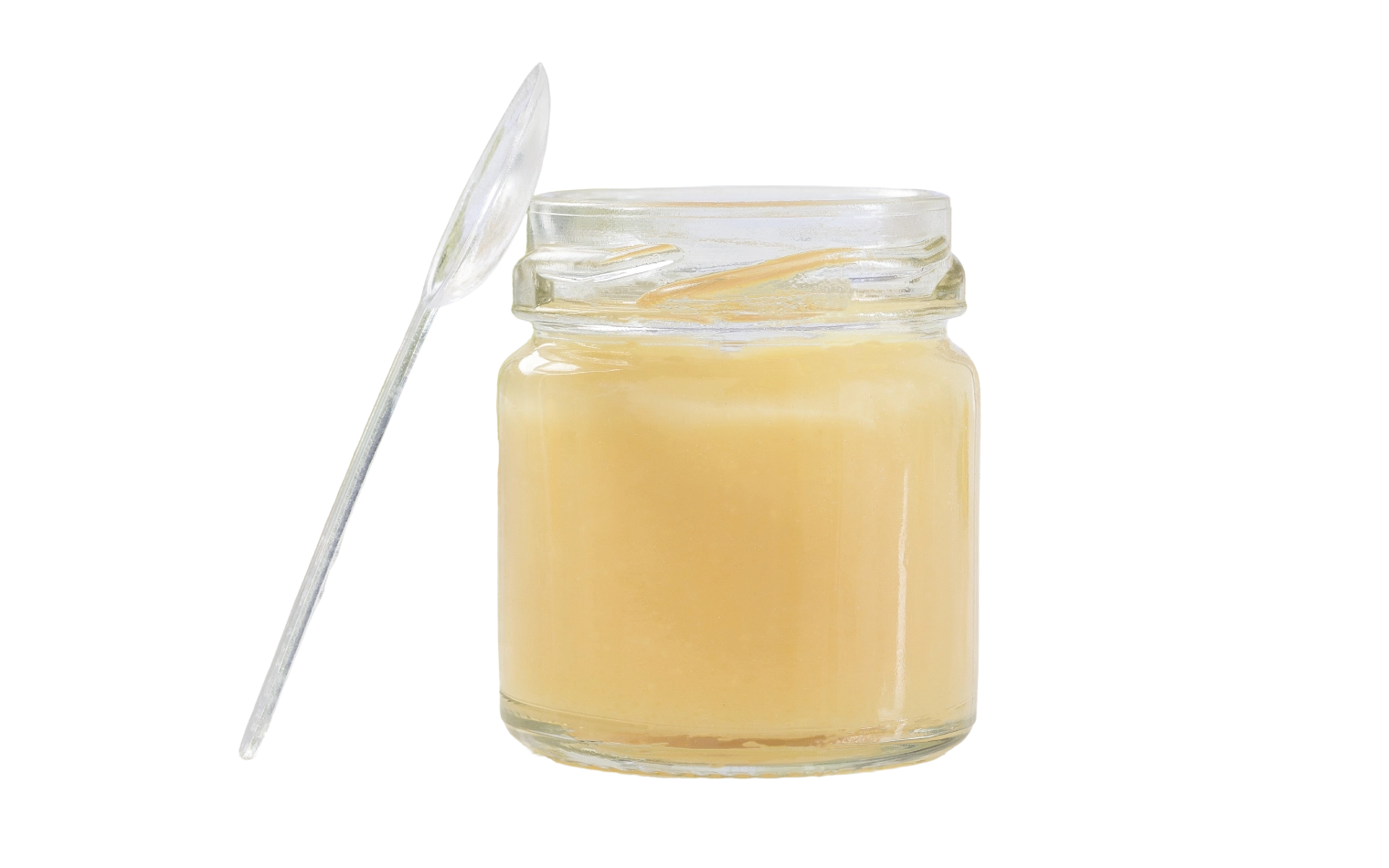
Royal Jelly