Propolis

Propolis is a natural remedy created by bees. It is a complex mixture of biologically active compounds that bees collect from various trees. Bees gather resins from leaf buds and bark of certain trees, then combine them with small amounts of beeswax, honey, and enzymes produced in their bodies.

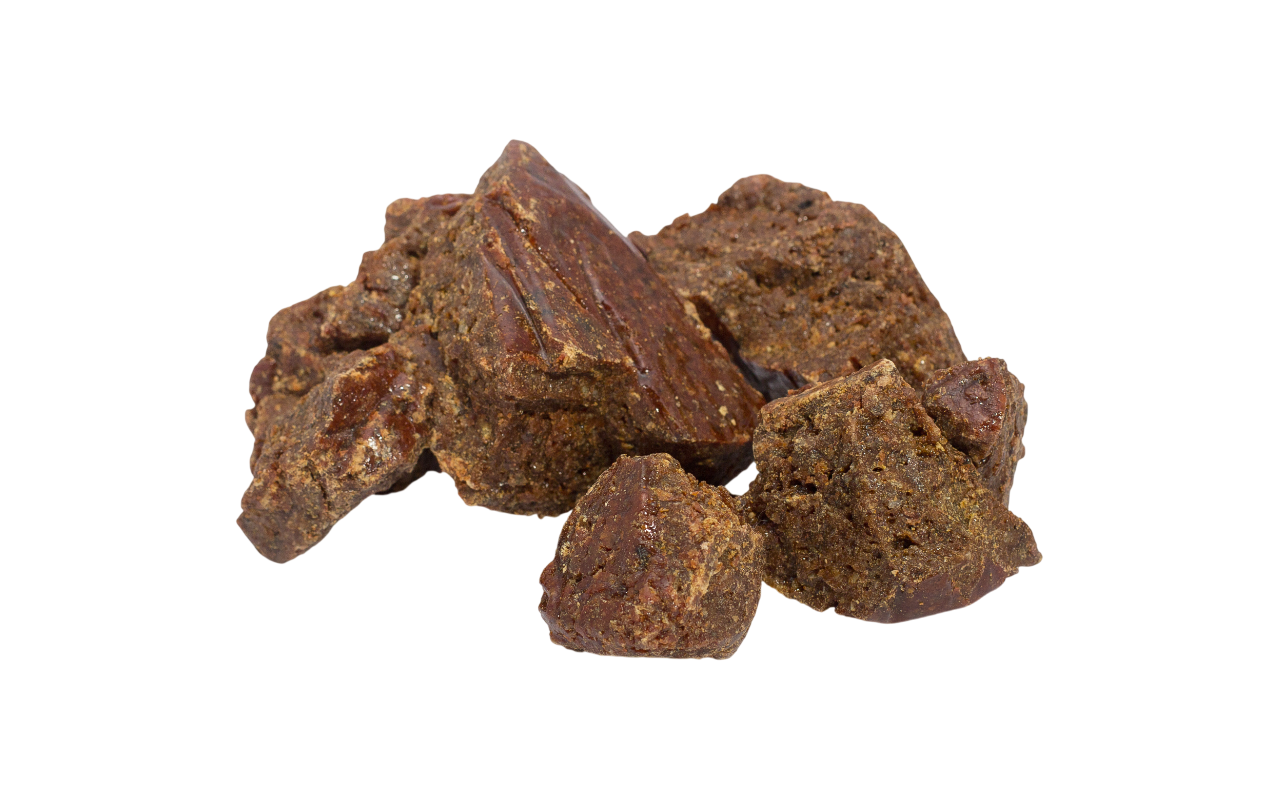
Lithuanian Propolis is collected from resins of local plants such as pine, poplar, birch, aspen, spruce, elm and other shrubs. It has a distinctive balmy aroma that is inherent only for Baltic propolis and can vary in colour from yellowish tones to dark brown, becoming darker over time.

The result is a sticky, highly bioactive substance known for its strong antimicrobial, antioxidant, and anti-inflammatory properties. Propolis is considered one of the most powerful natural antibiotics, offering a broad spectrum of antimicrobial, antiviral, antifungal activity.

Propolis, in particular, is often described as a “hope for future medicine” due to its natural antibiotic, self-regulating, immunomodulatory, and antioxidant properties.

Disinfection and protection for a hive

Within the bee colony, propolis plays an essential role in the hive’s natural defence system. Bees use it to coat the interior of the hive, including the honeycomb cells where the queen lays eggs. Bees use propolis to seal cracks and unwanted openings in the hive, as well as, the hive entrance, creating a natural “protective barrier” that all bees pass through when entering or leaving. The term “propolis” comes from the Greek language and means “city defence”.

Rich in bioactive compounds

Propolis has a distinctive composition that sets it apart from all other natural substances and products synthesized in chemical laboratories. Health experts estimate that it contains more than 300 biologically active compounds. In addition, propolis is a rich source of vitamins such as B1, B2, B6, C, and E, as well as essential minerals including magnesium, calcium, potassium, sodium, copper, zinc, manganese and iron. When stored properly, propolis can preserve its valuable healing properties for over 10 years.

Nature’s historic remedy

Propolis is one of the oldest natural remedies and has long been valued for supporting the body’s defences. Ancient civilizations used it for medicinal purposes: the Greeks applied propolis to treat abscesses and inflammations, the Assyrians used it on wounds and swollen areas to promote healing and fight infections, and the Egyptians even used propolis in embalming mummies, considering it sacred. Propolis was also recognized in official medical texts in London as early as the 17th century.

Over 100 health benefits

One of propolis’s most important qualities is its natural antibiotic action. It targets harmful bacteria, fungi, and other pathogens, while preserving beneficial microorganisms such as the healthy gut bacteria that are often reduced by conventional chemical antibiotics. Its self-regulating, immunomodulatory, and antioxidant properties are highly valued. Research has identified over 100 ways in which propolis can support human health.

Exceptional Lithuanian Propolis

The chemical and physical composition of propolis can vary depending on the bees’ habitat and the types of trees and flowers in their environment. For example, European propolis has a different chemical composition scent and colour than Brazilian propolis. Lithuanian Propolis has a pleasant aroma, unique brown colour, rich composition of flavonoids and phenolic acids.

How to use Propolis

It is important to note that raw propolis should not be consumed directly, as it is a highly complex substance. The dark brown or reddish-brown resin collected by worker bees contains a sophisticated mix of bioactive compounds.

Ethanol is the most commonly used solvent to extract the active ingredients from propolis. Alcohol-based propolis extracts (also called tinctures) provide rapid effects, though they have a strong, intense flavor.

Propolis is widely used in natural medicine and as a dietary supplement to support health. It is commonly taken in the form of extracts or capsules, although tinctures and solutions are often more convenient. Aqueous or ethanolic solutions can be administered internally as drops or sprays, while propolis oil is effective for external use, including wound care or as drops for the nose and throat. Propolis is also widely used in cosmetics and food supplements, appearing in tablets, syrups, creams, emulsions, and pastes.

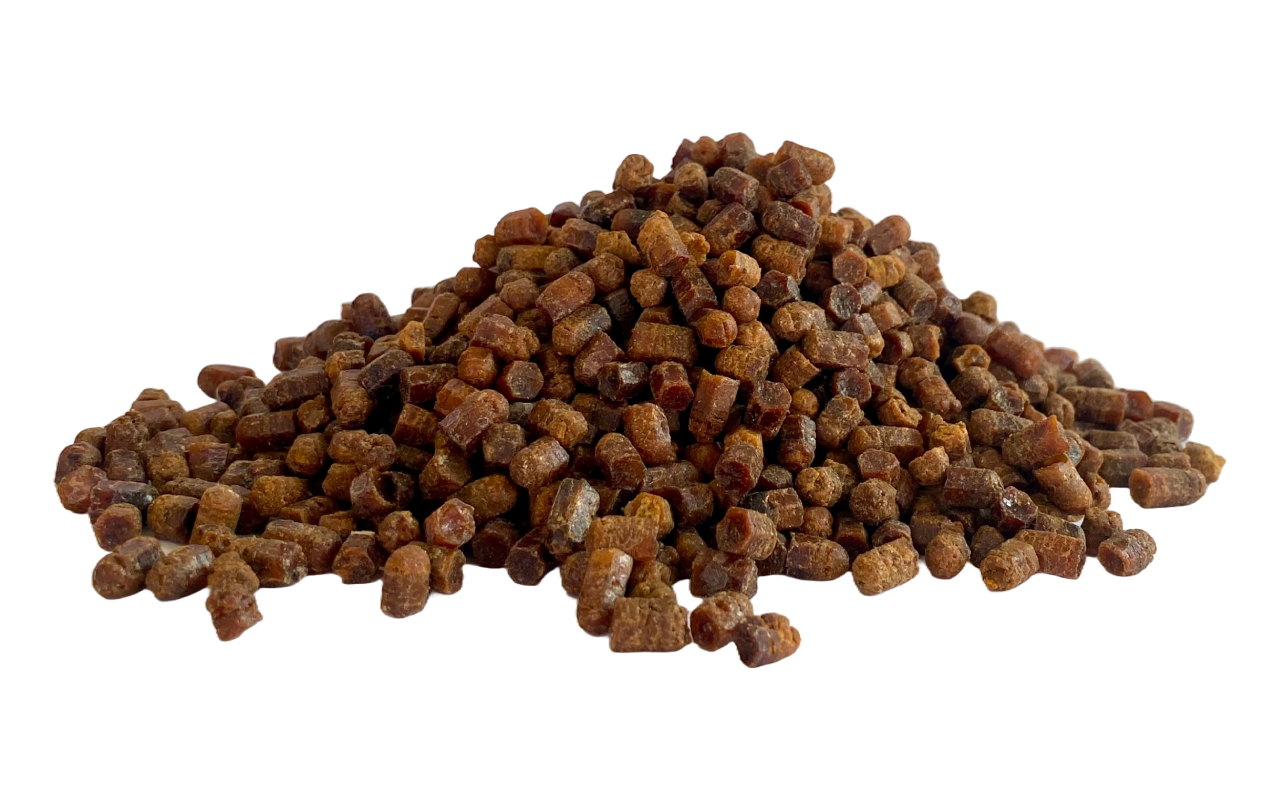
Our product range includes 80% and 95% propolis extracts, 20% and 30% ethyl alcohol-based tinctures, as well as raw, unprocessed propolis available in granules and powder form.

Please note that if you have honey or bee allergies, you may also have an allergic reaction to products containing propolis.

Biologically active propolis ingredients

Biological activityActive ingredients
AntibacterialVarious flavonoids, flavones, phenolic acids and their esters (organic compounds obtained by replacing the acid’s hydrogen with an alkyl or another organic group. Many naturally occurring fats and essential oils are fatty acid esters)
AntifungalPinocembrin, galangin, benzoic acid, salicylic acid, vanillin
AntivirusPolyphenols, phenylcarboxylic acids and esters of substituted cinnamic acids, caffeic acid, quercetin, luteolin, fisetin, quercetagetin
Antioxidant, radiation protectionDifferent phenols of flavonoids and their esters
Liver protectionVarious flavonoids, caffeic acid phenyl ester, ferulic acid, caffeic acid
Anticancer and antitumourCaffeic acid, caffeic acid phenyl ester, apigenin, quercetin, genistein, rutin, p-coumaric acid and ferulic acid, kaempferol, naringenin
ImmunomodulatoryCaffeic acid phenyl ester, chrysin, benzyl caffeate, phenethyl ferulate, cinnamic acid
Anti-inflammatoryFlavanones, flavones, phenolic acids, and their esters
Heart protectionCaffeic acid phenyl ester, acacetin, chrysin, quercetin
AntiulcerCaffeic acid, caffeic acid phenyl ester, pinocembrin, galangin, chrysin

Effects of the active ingredients in propolis on human health:

  • Flavonoids help to activate the human immune system.
  • Organic Acids inhibit decay and fermentation processes, improve metabolism, and support digestive system function.
  • Essential Oils – strengthen immunity, inhibit the growth of microbes and fungi, stimulate energy, and reduce stress.
  • Minerals – including manganese, zinc, copper, nickel, cobalt, calcium, potassium, phosphorus, sulfur, sodium, iron, and magnesium are essential for the normal functioning of organs and organ systems.
  • Vitamins – such as B1, B2, B6, C, E, and A, support organ function, immune system efficiency, and hormonal balance.
  • Inhibitors, Antimicrobials and Other Bioactive Substances – provide antibacterial, antiviral, and antifungal properties.

The key quality parameters of our raw propolis in terms of superiority over the competitors

NoName of parameterUnit of measurementMost common in the marketRequirement of our company‘s standart
1.Propolis resins %Max 35 - 50Min 65 -73%
2.Wax & wasters%35 – 50Max 20 - 30
3.Mechanical impurities%3 - 5Max 1-2
4. Flavonoids %1,0 – 2,5Min 2,5 – 5
5.Main Flavonoids: Apigenin, Kaempherol,Chrysin, Pinocembrin, Galangin mg/gMin 100,82 ± 15,59
6. Main Phenolic acids & aldehydes: Vanillic, Caffeic, Vanillin,p-Coumaric Ferulic mg/gMin 28,26 ± 2.55
7. Heavy Metals (Ph. Eur. 2.4.27)
Lead (Pb)mg/kg> 20Max 3 ÷ 5
Cadmium (Cd)mg/kg> 5Max 0,2
Mercury (Hg)mg/kg> 5Max 0,1
8. Pyrolysidine Alkaloids (PA)mg/kg50Max 5
  • Pesticide residue levels are in compliance with the Ph. Eur/EC regulation No. 396/2005. Generally, they are undetectable, except for one-off pesticides, which are detectable but their residue levels never exceed the maximum levels.
  • Lithuanian (Baltic) propolis has a distinctive balmy fragrance typical of this region’s nature. It is primarily collected from resins of pine, poplar, birch, aspen, spruce, elm and other shrubs during spring and late summer. Propolis is harvested in pieces of varying shapes and sizes, with colours ranging from light brown to reddish-brown and greyish-black. Collection is usually done by scraping frames and wooden hive parts, although specialised propolis collectors are also used.
Summary:

The values of all the above parameters demonstrate that our propolis is a very pure and concentrated product that is free of any additives. Its raw purity is at a maximum, resin is up to 73% with the beeswax and mechanical impurities do not exceeding 30%. The composition of phenolic compounds has a fully expressed spectrum of flavonoids and carboxylic acids. The content of flavonoids is high – up to 5%. Laboratory results show very low levels of contaminants, meeting the highest requirements for this raw material category. Propolis purity and composition make it well suited for capsules, extracts, pharmaceuticals, food supplements, and cosmetic products. All parameters are based on detailed laboratory tests.

Why is propolis so beneficial?

Propolis is a powerful natural antioxidant and detoxifier. Scientific studies show that it exhibits antiviral, anti-inflammatory, and deodorizing properties. It helps alleviate pain, stimulates tissue regeneration, boosts the immune system, and may even have antidepressant effects.

As a natural dietary supplement, propolis can support the prevention of chronic degenerative diseases, including cancer, autoimmune disorders, age-related conditions, cataracts, and rheumatoid arthritis. It can help slow the progression of cardiovascular and neurodegenerative diseases, while supporting faster healing of wounds and skin disorders. Its antibacterial, antifungal, and antioxidant properties further contribute to overall health.

Propolis also protects vital organs such as the heart and liver, helps prevent the development of tumors and ulcers and demonstrates a very favorable safety profile with no known side effects.

Recent research has highlighted propolis extract’s potential role in viral protection. Flavonoids in propolis extract have shown promising activity against the Covid-19 virus, supporting immunity and reducing the risk of infection when used alongside other treatments.

  • Natural antibiotic. Researchers say that no pharmaceutical company could replicate such a broad spectrum antimicrobial activity product with ability to leave good bacteria
  • Highly bioavailable dietary supplement. While the human body typically absorbs only 20–40% of nutrients from ordinary food, bee products like propolis can be assimilated almost completely, allowing you to benefit fully from their biologically active compounds.
  • Immune system support. Propolis stimulates the immune system by constantly combating foreign viruses and bacteria. It enhances leukocyte activity and strengthens the body’s resistance to infectious diseases.
  • Antioxidant & Detoxifier
    Propolis helps prevent the formation of free radicals and protects cells from related damage. It also supports healthy red blood cell levels in the bloodstream.
  • Natural Deodorant
    During production, bees enrich propolis with fragrant acids and essential oils, helping eliminate unpleasant odours and maintain a clean hive.
  • Anti-Aging Properties
  • Propolis contains over 300 biologically active compounds that increase the immune cell activity, stimulates cell metabolism, and helps inhibit oxidative processes, supporting the body’s natural anti-aging mechanisms.

Frequently asked questions

Lorem ipsum dolor sit amet, consectetur adipiscing elit. Praesent ligula tellus, pharetra quis justo auctor, rhoncus tempus augue. Aliquam eget augue orci. Phasellus aliquet sed nisi eu malesuada.

Propolis is a natural substance produced by bees from plant resins, combined with beeswax, enzymes, and small amounts of honey. It is a highly bioactive compound known for its antimicrobial, antioxidant, and anti-inflammatory properties.

Propolis acts as a natural defence system. Bees use it to disinfect the hive, seal cracks, protect the colony from pathogens and create a protective barrier at the hive entrance.

Propolis contains more than 300 biologically active compounds, including flavonoids, vitamins, minerals, and phenolic acids. Its complex composition makes it a wonderful natural bioactive substance beneficial for human health improvement.

The composition of propolis depends on the plants available to bees. For example, Baltic propolis differs from Brazilian propolis in chemical and physical profile, composition, appearance, colour and aroma due to different vegetation and climate.

Propolis supports the immune system, acts as a natural antibiotic, helps fight bacteria, viruses and fungi, promotes wound healing, and provides antioxidant and anti-inflammatory effects.

Yes. Propolis has broad-spectrum antimicrobial properties. It targets harmful microorganisms such as bacteria and fungi while helping preserve beneficial bacteria, such as healthy gut microflora.

Baltic propolis is known for its clean origin, rich biodiversity, high flavonoid, phenolic acids and aldehydes content. It is collected from a variety of trees such as pine, birch, poplar, aspen, and spruce. Lithuanian propolis has a distinctive unique natural aroma that also creates a special and pleasant taste.

Propolis is commonly used as an extract, tincture, powder, granules, capsules, tablets or oil composition. It can be taken as drops, sprays or capsules for internal use, or applied externally in composition with other ingredients for skin and wound care.
Raw propolis is a complex substance and should not be consumed (eaten) directly. It is typically processed into extracts or other forms to ensure safe and effective use.

Propolis is generally safe and well tolerated. However, individuals who are allergic to bee products should avoid using propolis or consult a healthcare professional before use.

Yes. Propolis enhances immune response, supports the body in fighting infections, and contributes to overall health through its antioxidant, anti-inflammatory, antimicrobial properties. Propolis is a natural antibiotic.
Other products

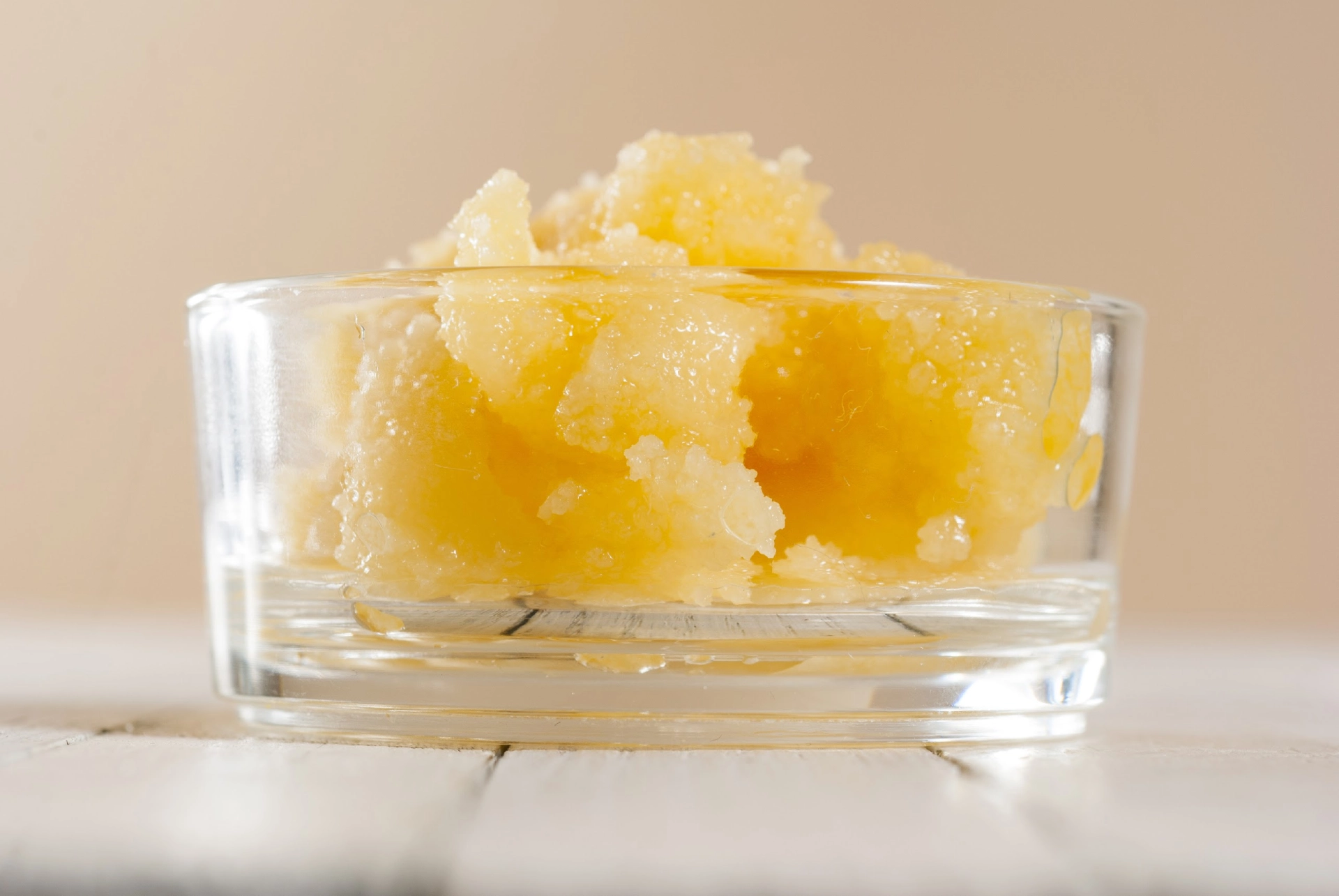
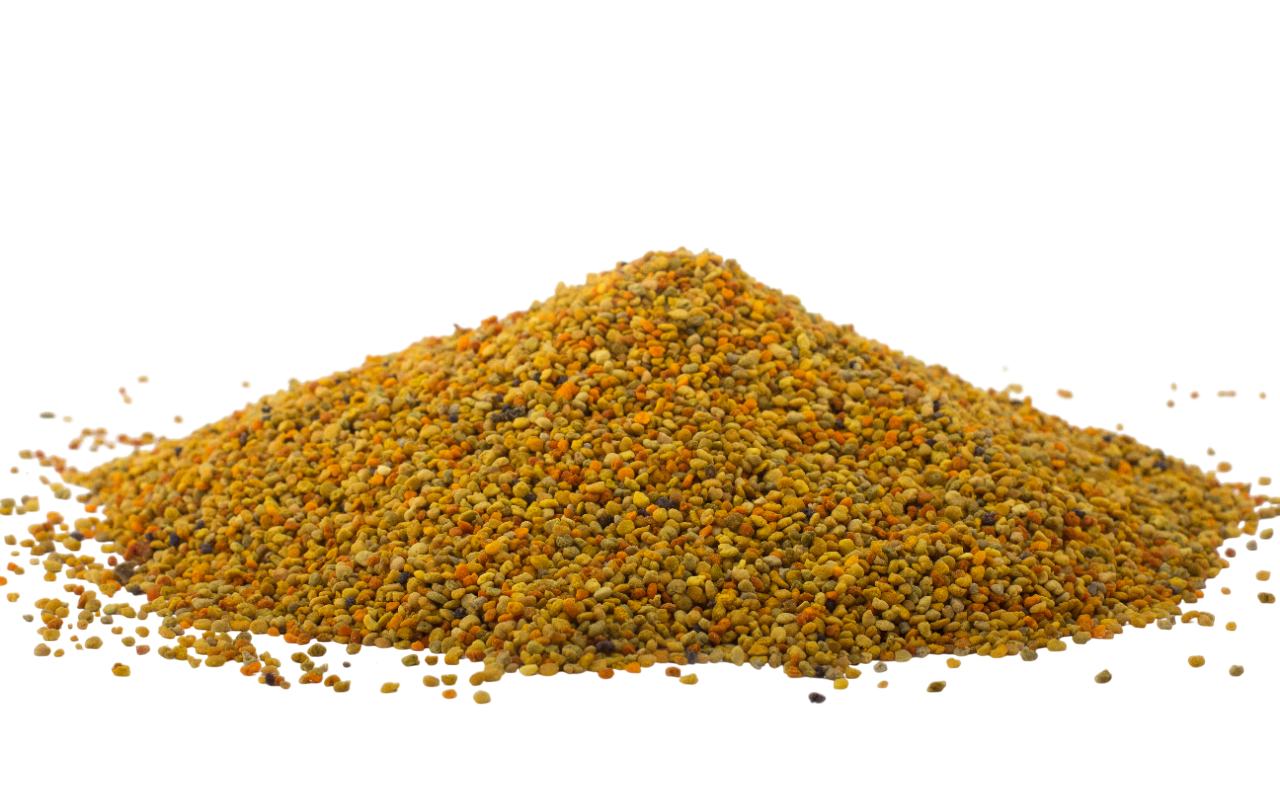
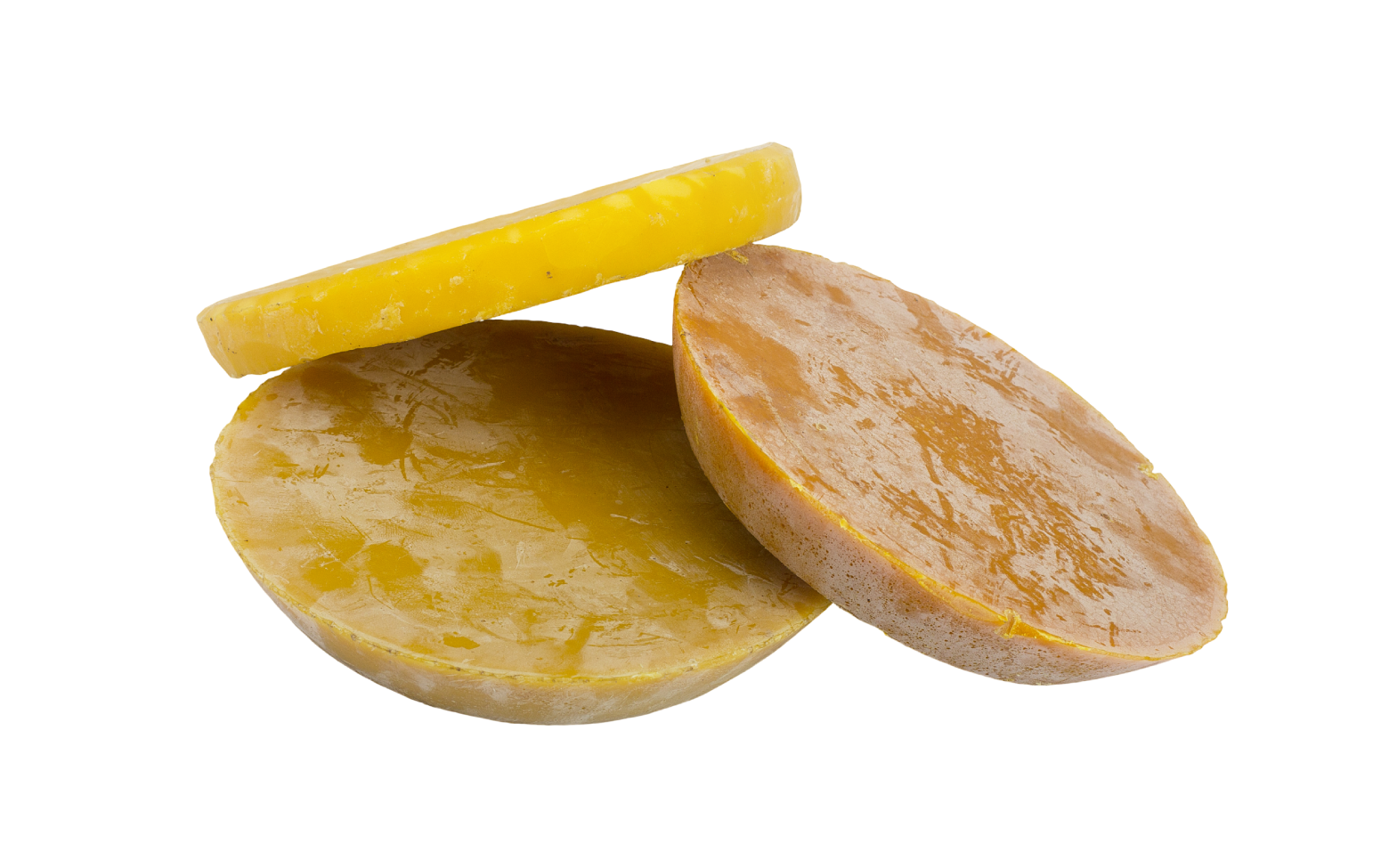
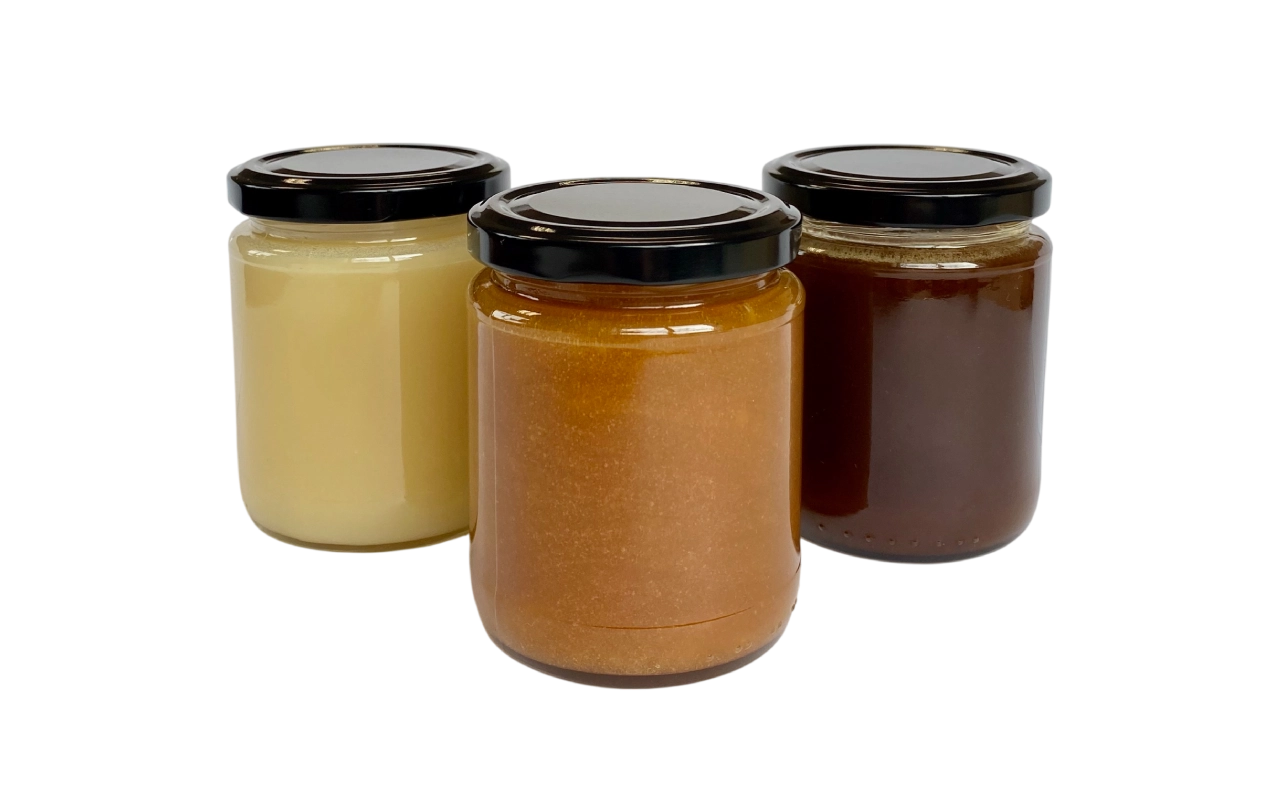
The Baltic region’s clean and diverse natural environment gives conditions for bees to collect natural and pure products, containing beneficial components as enzymes, vitamins, micronutrients, antioxidants and flavonoids.

Honey

Bee Bread

Bee Pollen

Beeswax

Royal Jelly