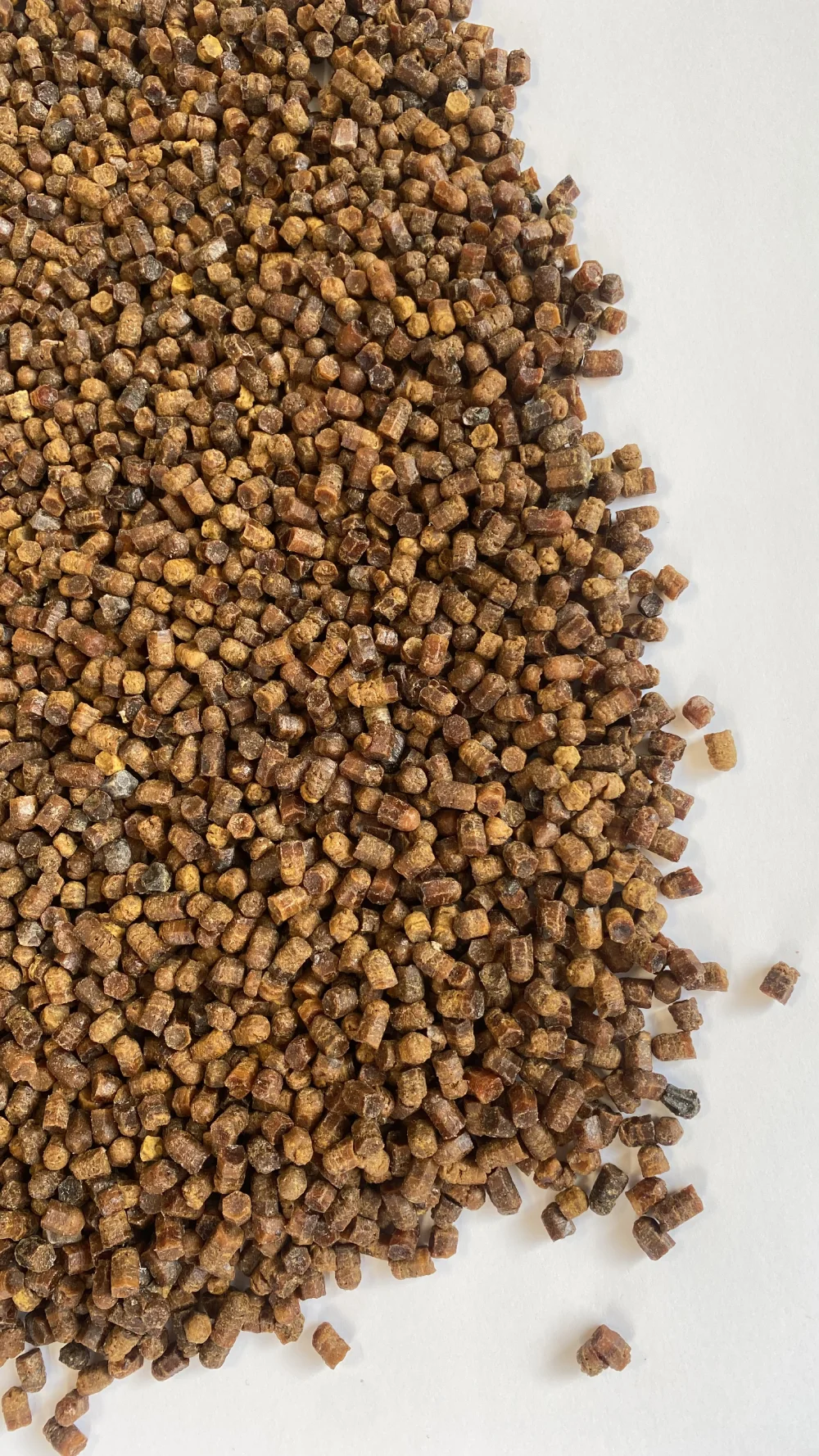

Standartas:
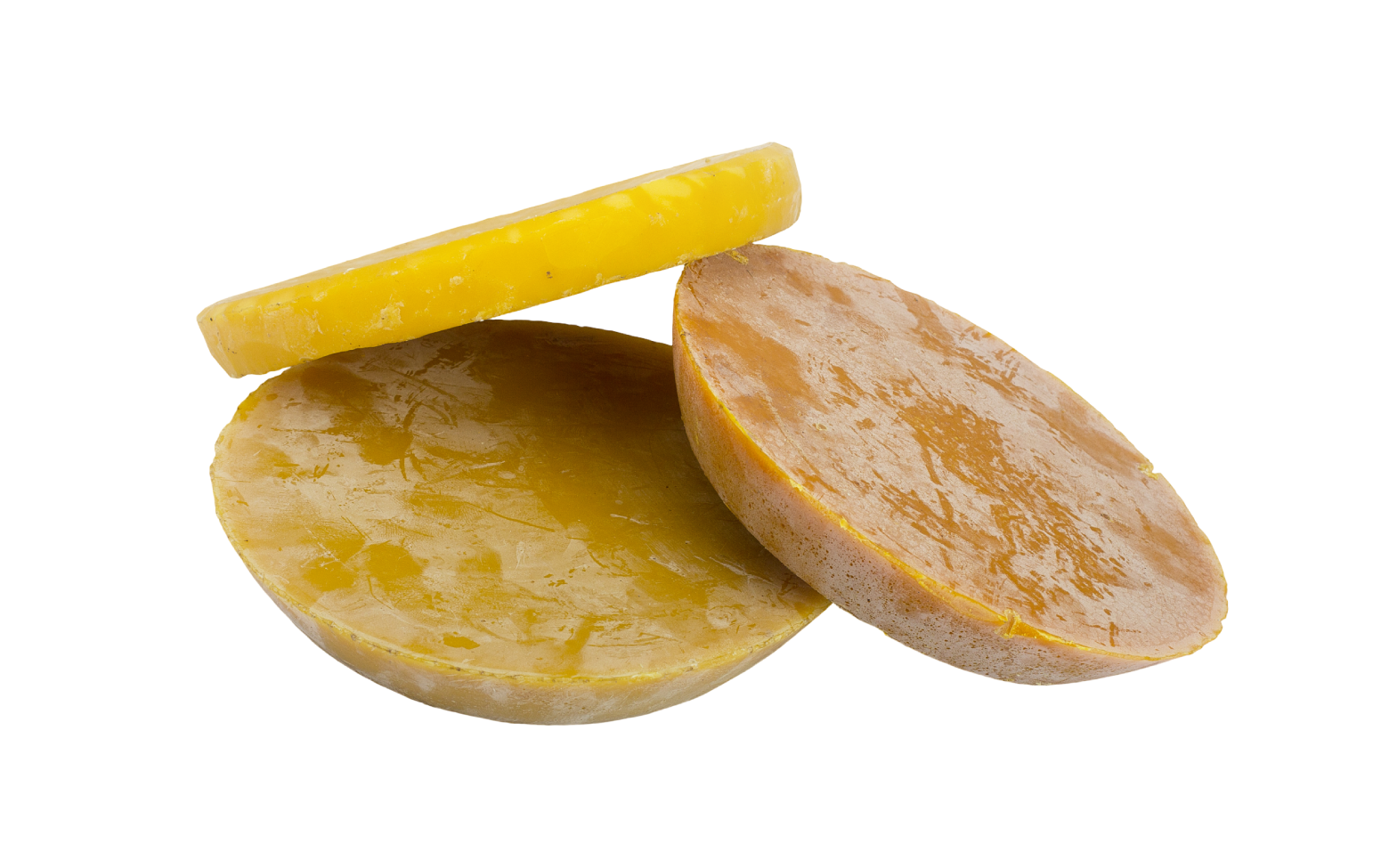
- Vaškas: max 1%
- Smulki frakcija: max 2 %
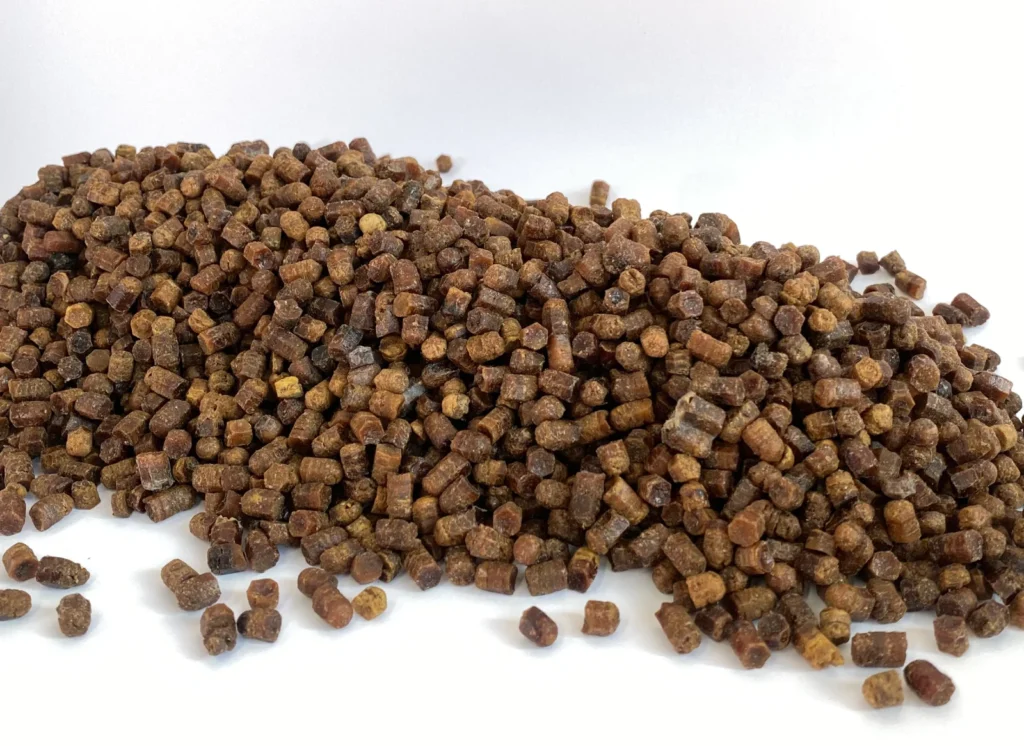
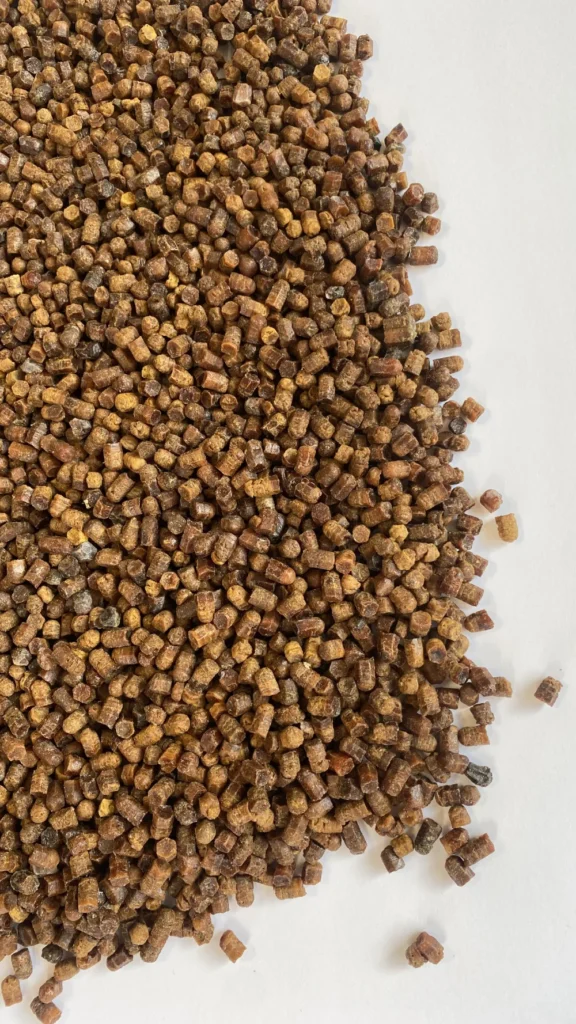
- Spalva- nuo tamsiai geltonos iki rudos.
- Kvapas- charakteringas medaus, žiedadulkių.
- Išvalyta nuo smulkios frakcijos.
- Perrinkta nuo korinio vaško gabaliukų – dalelių.
- Pakenkimas pelėsiu negalimas.
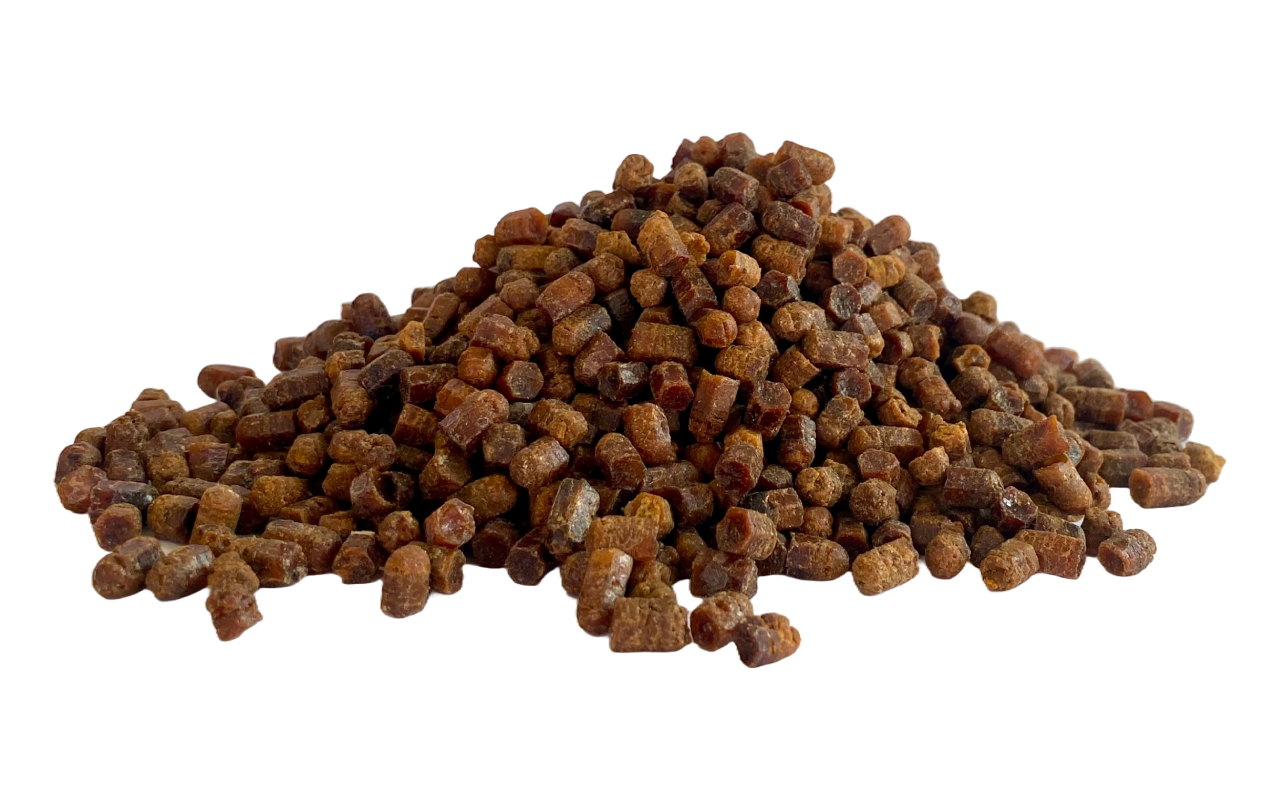
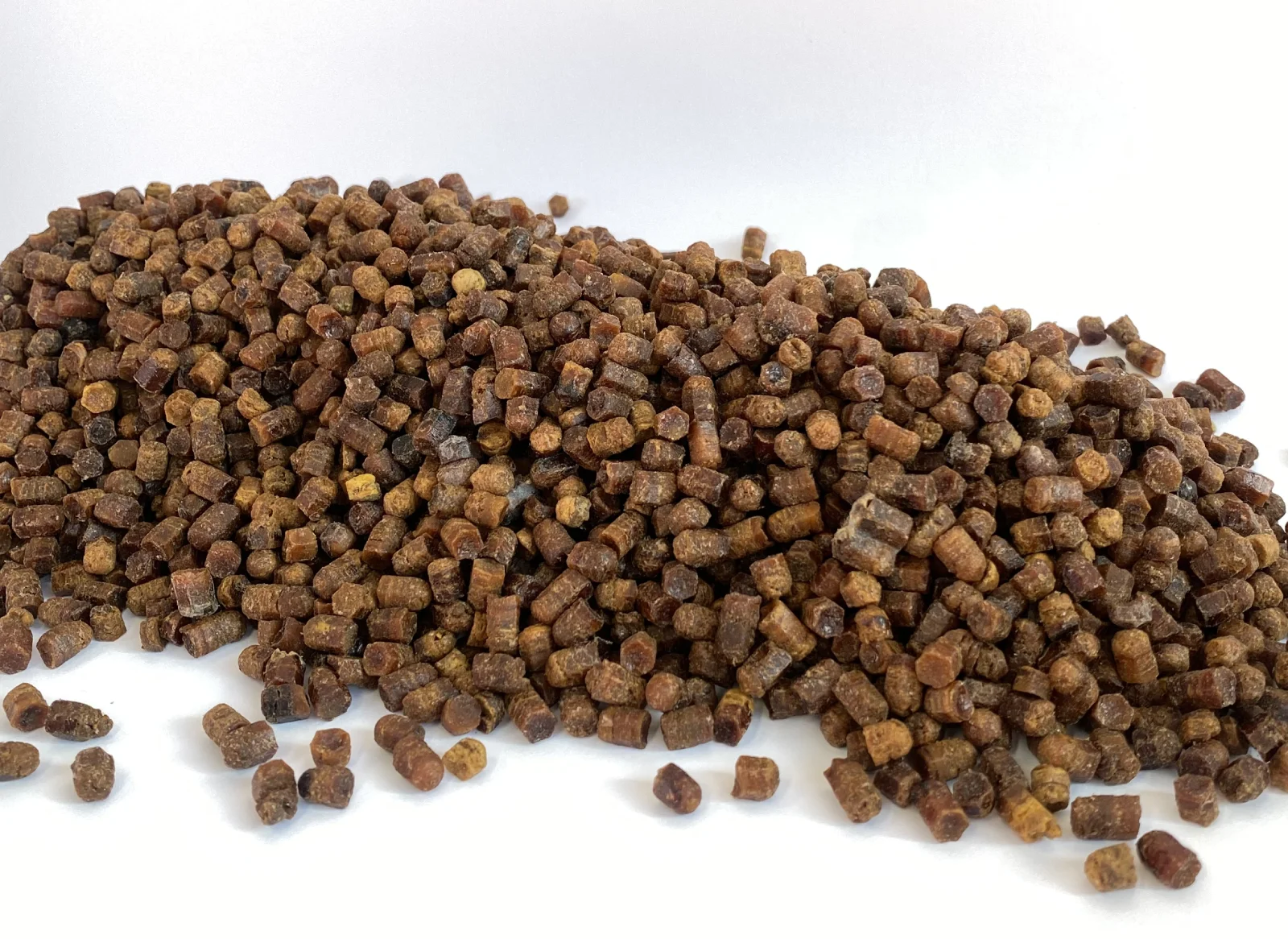
Duonelė turi būti iškulta kuo vienodesne frakcija. Granulės panašaus dydžio, vaško kokonas (marškiniai) nukulti. Išdžiovinta ne aukštesnėje negu 38°C temperatūroje.
Norint įvykdyti šiuos reikalavimus, rekomenduojame duonelę vežti kulti pas kūlėjus. Taip garantuojama produkto kokybė ir vienodumas. Šiuo atveju mes būsime garantuoti, kad supirksime kokybišką ir labai panašią produkciją. Produktas turi būti sufasuotas po 25-30kg, storo polietileno 200 mikronų maišuose, kad nebūtų lengvai pažeidžiamas mechaniškai ir nepraleistų drėgmės. Šis maišas gali būti patalpintas į džiūtinį maišą iš išorės, kad būtų išvengta mechaninių pažeidimų ir lengviau transportuojama. Produktas taip pat gali būti sufasuotas į dvigubus popierinius maišus su polietilenu viduje.
Atsakome į dažniausiai užduodamus klausimus. Čia rasite svarbiausią ir aktualiausią informaciją apie mūsų produkciją, gamybos procesus bei produktų naudą ir jų naudojimą.
Bee Bread is a naturally fermented bee product made from pollen, honey or nectar, and bioactive compounds produced by bees. Inside the hive, bees pack pollen into honeycomb cells, add honey and enzymes, and seal it with beeswax.
This process transforms raw pollen into a highly bioavailable substance. As a result, bee bread contains a complex combination of proteins, amino acids, vitamins, minerals, enzymes. It is the main source of protein for bees and a highly valued natural dietary supplement for humans.
While Bee Pollen is raw and less digestible due to its outer shell, Bee Bread is fermented. This natural process breaks down complex compounds into simpler forms, making nutrients easier to absorb. As a result, Bee Bread is significantly more bioavailable than pollen.
Lithuanian bee bread is known for its high quality, purity, and rich composition. It is produced from pollen collected from more than 70 wildflowers species and is naturally fermented in the hive for the full maturation period, resulting in a cleaner and more nutritionally valuable product.
Bee Bread is the primary source of protein for the colony. It supports the growth and development of young bees and is essential for producing important substances such as royal jelly. Together with honey, it feeds the hive throughout the winter.
Bee Bread contains a wide range of nutrients, including proteins, amino acids, vitamins, minerals, enzymes, and antioxidants. Due to fermentation, these nutrients are more easily absorbed by the body, making it a highly efficient natural dietary supplement.
Bee Bread is associated with supporting the immune system, increasing energy levels, providing natural protein, increasing body resilience to physical and emotional stress, and reducing fatigue. It may help maintain cardiovascular health, support digestion and liver function, and contribute to overall vitality and recovery after illness.
Many athletes choose Bee Bread to help increase energy levels, support muscle recovery after exercise, improve oxygen uptake, and maintain overall physical resilience. It provides a balanced source of proteins, essential amino acids, vitamins, and minerals that support endurance, recovery, and overall performance.
Bee bread can be consumed in its natural granular form or mixed with liquids, honey, yoghurt, or other foods. It is commonly used as a dietary supplement in daily nutrition. It is recommended to use Bee Bread in cycles: consume Bee Bread for 3 weeks with a 2 week break afterwards.
The recommended intake is:
In rare cases people may experience allergic reactions to bee products. If you notice symptoms such as itching, swelling, or irritation, discontinue use immediately and seek medical advice if necessary.
Bee Bread has a unique flavour profile that combines mild sweetness with slightly sour and subtly bitter notes, typical of naturally fermented products.
Bee bread is generally safe for most people. However, individuals who are allergic to bee products should exercise caution and consult a healthcare professional before use.
It is also recommended that children, pregnant or breastfeeding women, and people with existing medical conditions consult a healthcare professional before using Bee Bread.
Bee Bread is widely used in dietary supplements, pharmaceuticals, cosmetics, and even veterinary applications. It is also suitable for direct consumption in its natural form.