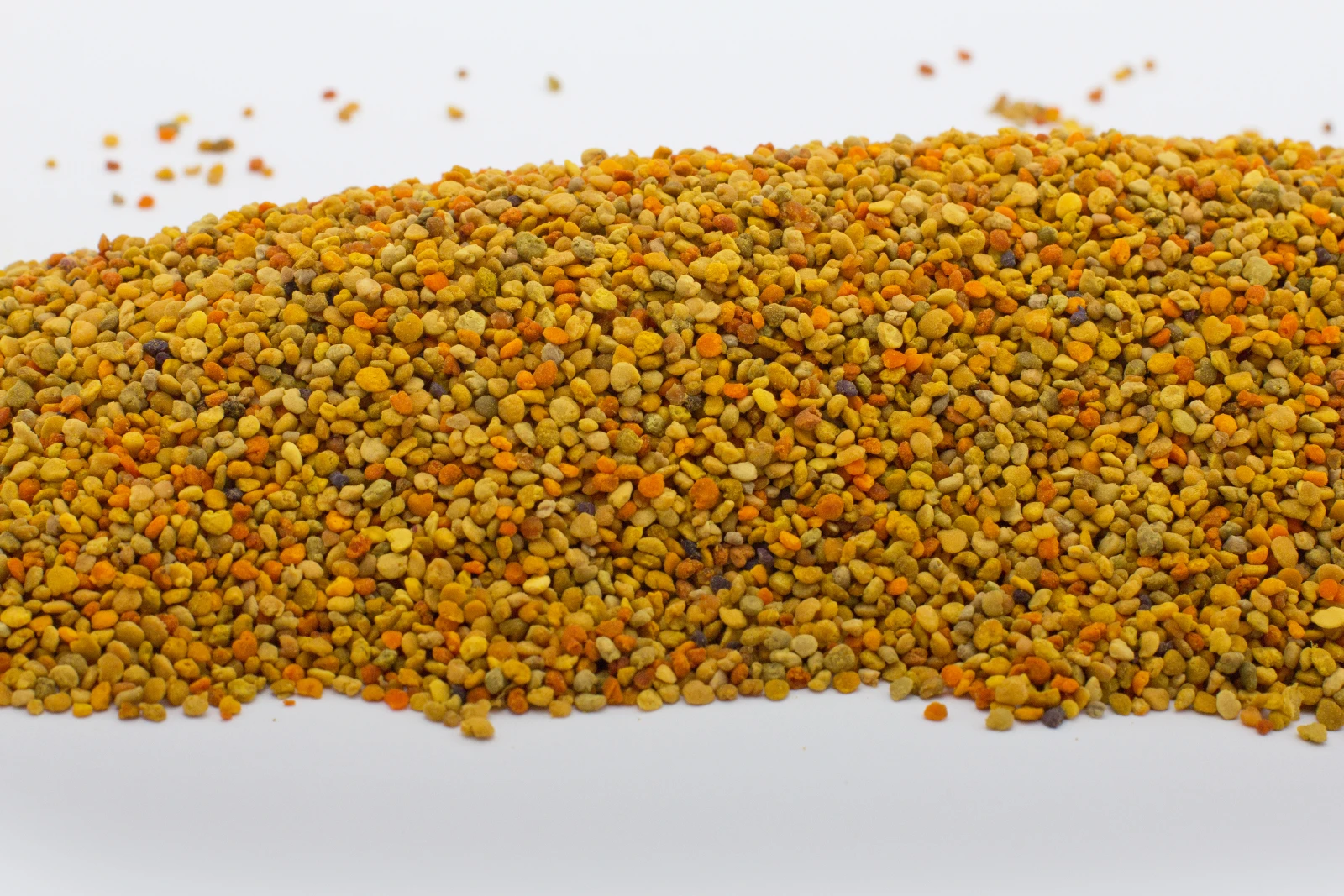
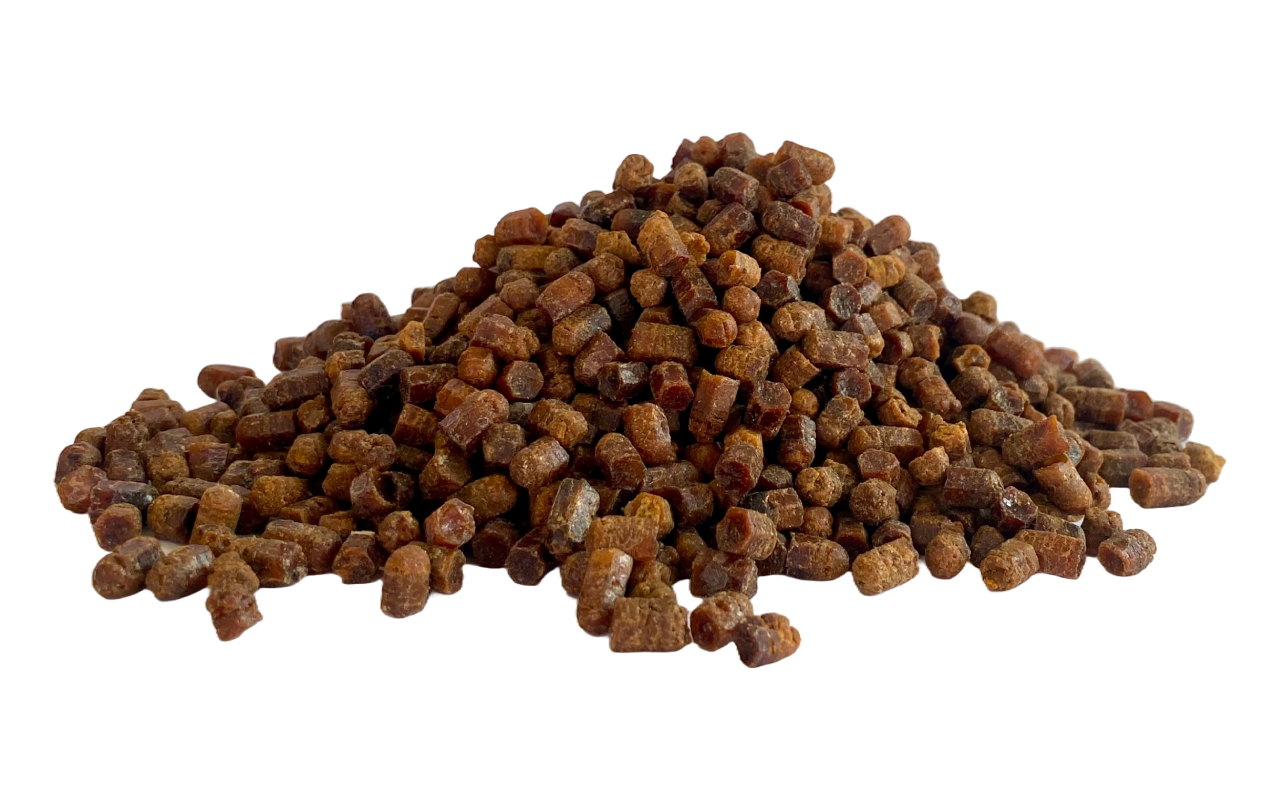
Spalva- nuo šviesios iki tamsios. Kuo įvairesnis atspalvių spektras, tuo žiedadulkės vertingesnės, nes buvo surinktos iš didesnio skirtingų žiedų skaičiaus. Nepaisant to, superkame ir monoflorines žiedadulkes surinktas iš vieno augalo.
Žiedadulkės turi būti gerai išvalytos nuo smulkios frakcijos, mechaninių priemaišų, bičių lavonėlių.
Gerai išdžiovintos, bet neperdžiovintos. Drėgmė 8-9%. Džiovinamos spintoje su termostatu, ne didesnėje negu 38°C temperatūroje.
Žiedadulkės turi būti supakuotos dvigubuose maišuose, geriausias variantas — polietileninis maišas viduje, popierinis išorėje. Pakuotė turi apsaugoti nuo mechaninių pažeidimų transportuojant ir suteikti produktui stabilumą, kad jis nepakistų mikrobiologiškai, bei į vidų nepatektų drėgmė jį sandėliuojant. Pakuojamos po 25kg.
Dažniausiai užduodami klausimai
Atsakome į dažniausiai užduodamus klausimus. Čia rasite svarbiausią ir aktualiausią informaciją apie mūsų produkciją, gamybos procesus bei produktų naudą ir jų naudojimą.
Bee pollen is a natural product collected by bees from flowering plants. It consists of pollen grains mixed with small amounts of nectar and bee enzymes, forming nutrient-rich granules. It is an essential food source for bees and a highly valued dietary supplement for humans.
As bees fly, their bodies develop a static charge that attracts pollen particles. The pollen sticks to the fine hairs on their bodies and is then transferred to the hind legs, where it is packed into pollen baskets (corbiculae). Once collected, it is transported safely back to the hive.
Bee pollen contains a wide spectrum of nutrients, including proteins, amino acids, vitamins, minerals, enzymes, and antioxidants. It is often described as one of the most complete natural foods for the human body due to its balanced and highly bioactive composition.
Lithuanian bee pollen is collected from a highly diverse range of wild plants, often up to 70 species per season. This unique botanical diversity gives it a richer composition, wider colour range, distinctive soft and sweet flavour and pleasant aroma compared to pollen from other regions.
Bee pollen is rich in complete proteins (26–40%), essential amino acids, vitamins (including B-complex, C, D, and E), minerals such as potassium, magnesium, iron, and zinc, as well as fatty acids (omega-3 and omega-6). It also contains flavonoids, carotenoids, and other antioxidant compounds.
Bee pollen may support immune function, cardiovascular health, and metabolic balance. It is associated with anti-inflammatory, antioxidant, antibacterial and antiviral properties. It may also help support digestion, reproductive health, protection against oxidative stress and seasonal allergies.
Bee pollen can be consumed in its natural granular form or mixed with honey, water, yoghurt or other foods. It is commonly used as a dietary supplement in daily nutrition. It is recommended to use Bee Pollen in cycles: consume Bee Pollen for 3 weeks with a week break afterwards.
Recommended dose:
For adults: 20 g or 1 tablespoon per day
For children: use an amount of Bee Pollen (in grams) equal to the child’s age. For example, a 5-year-old child may take approximately 5 grams per day.
In rare cases people may experience allergic reactions to bee products. If you notice symptoms such as itching, swelling, or irritation, discontinue use immediately and seek medical advice if necessary.
High-quality bee pollen is minimally processed. It is typically dried or frozen to preserve its nutritional value, without any chemical or thermal treatment, food irradiation (ionizing radiation) that could degrade its active compounds.
Bee bread is fermented pollen stored in the hive. Through natural fermentation, its nutrients become more bioavailable, and it can be preserved by bees for long periods at hive temperature.
Kiti produktai
Užtikriname nuolatinį bičių produktų supirkimą ištisus metus – brandradarbiaujame tiek su mažais, tiek su stambiais bitynais.