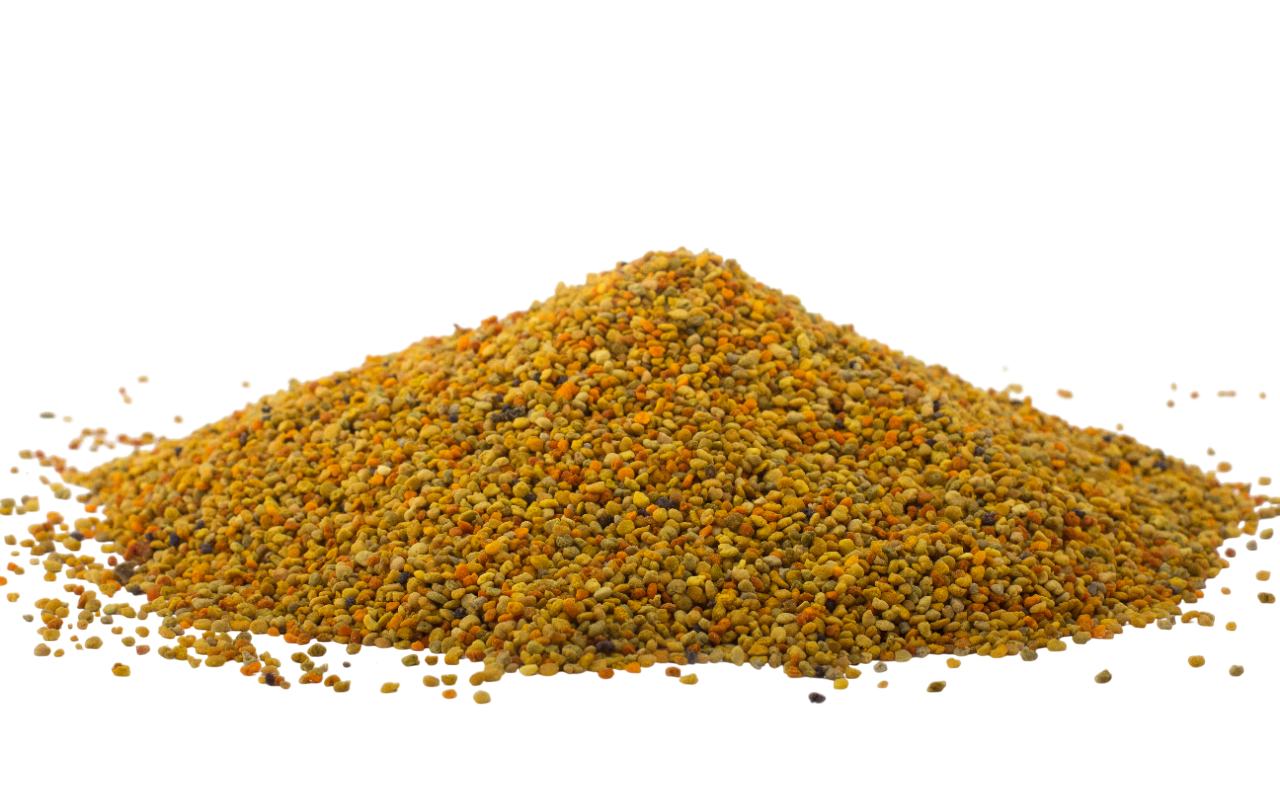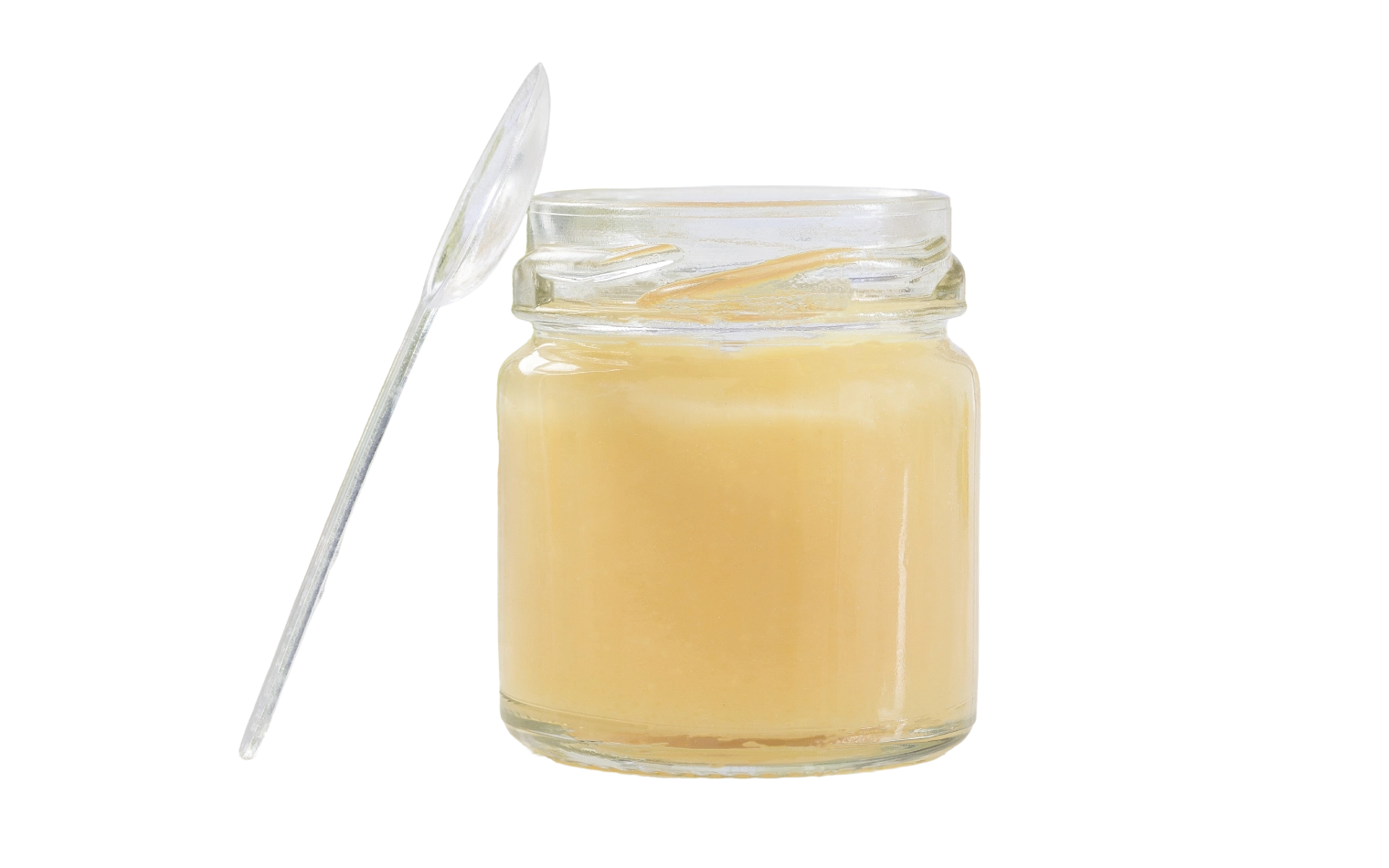

During the warm season, bees work intensively to provide food for the hive. While nectar is collected to produce honey — the main source of carbohydrates — pollen is gathered for a different purpose. Through a natural fermentation process involving lactic enzymes, pollen is transformed into Bee Bread (Perga), a highly valuable food for the hive and a valued dietary supplement for humans.
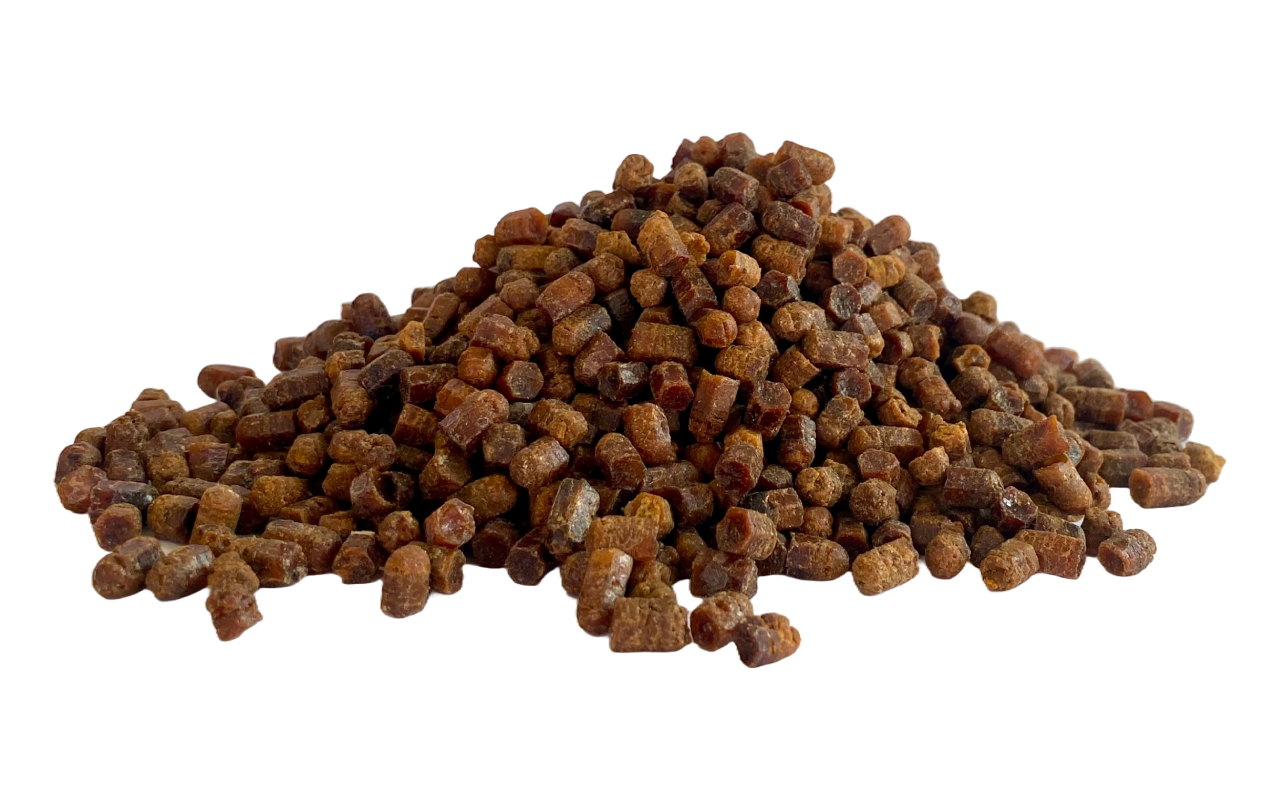
Lithuania is considered a pioneer in the production of Bee Bread. Due to this reason Lithuanian Bee Bread is a clean, pure and higher quality product compared to our competitors in other countries.
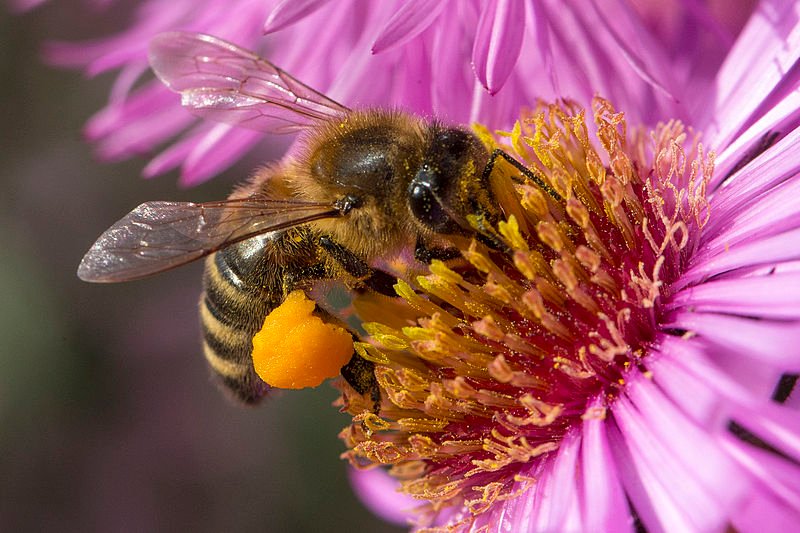
From Pollen to Bee Bread
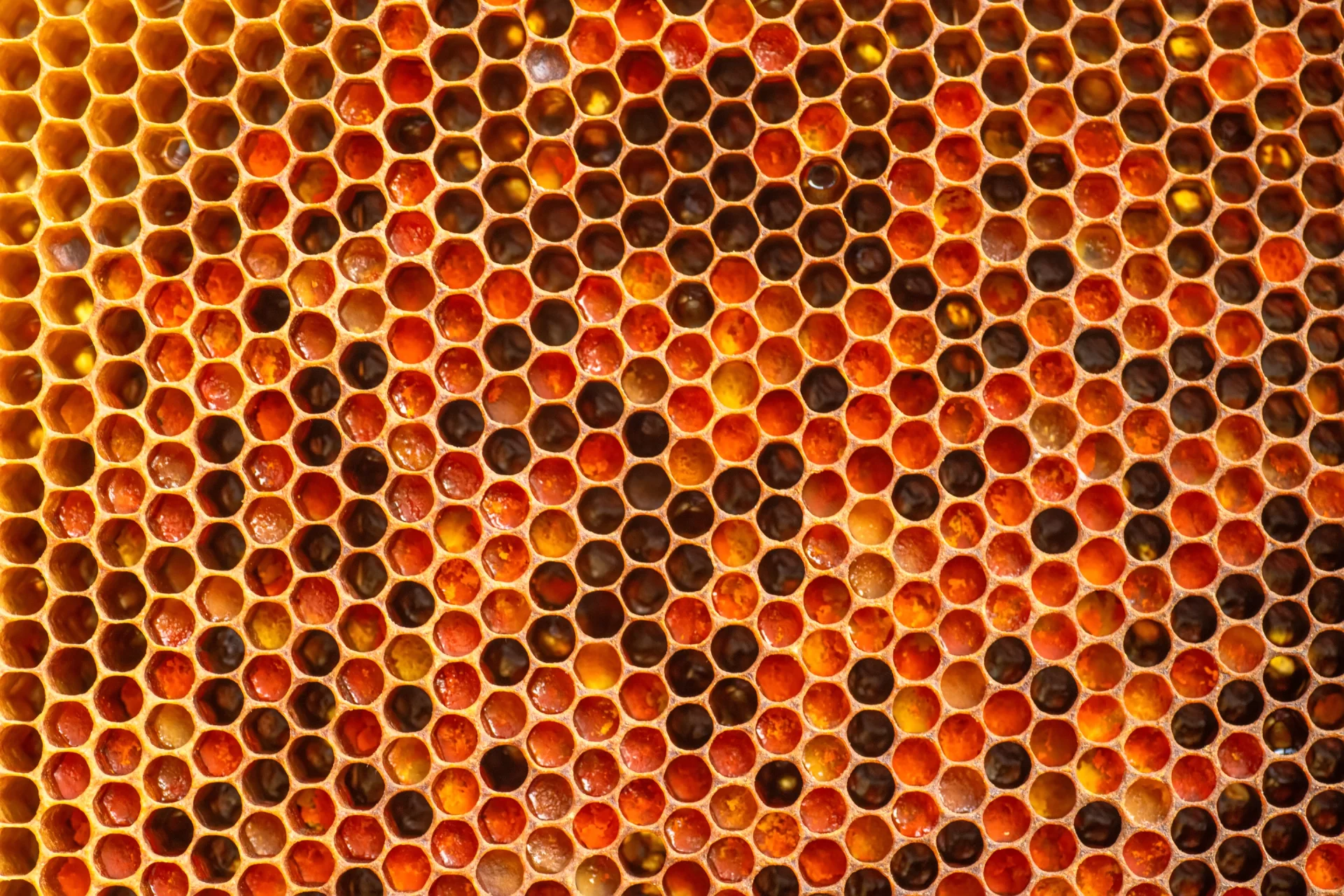
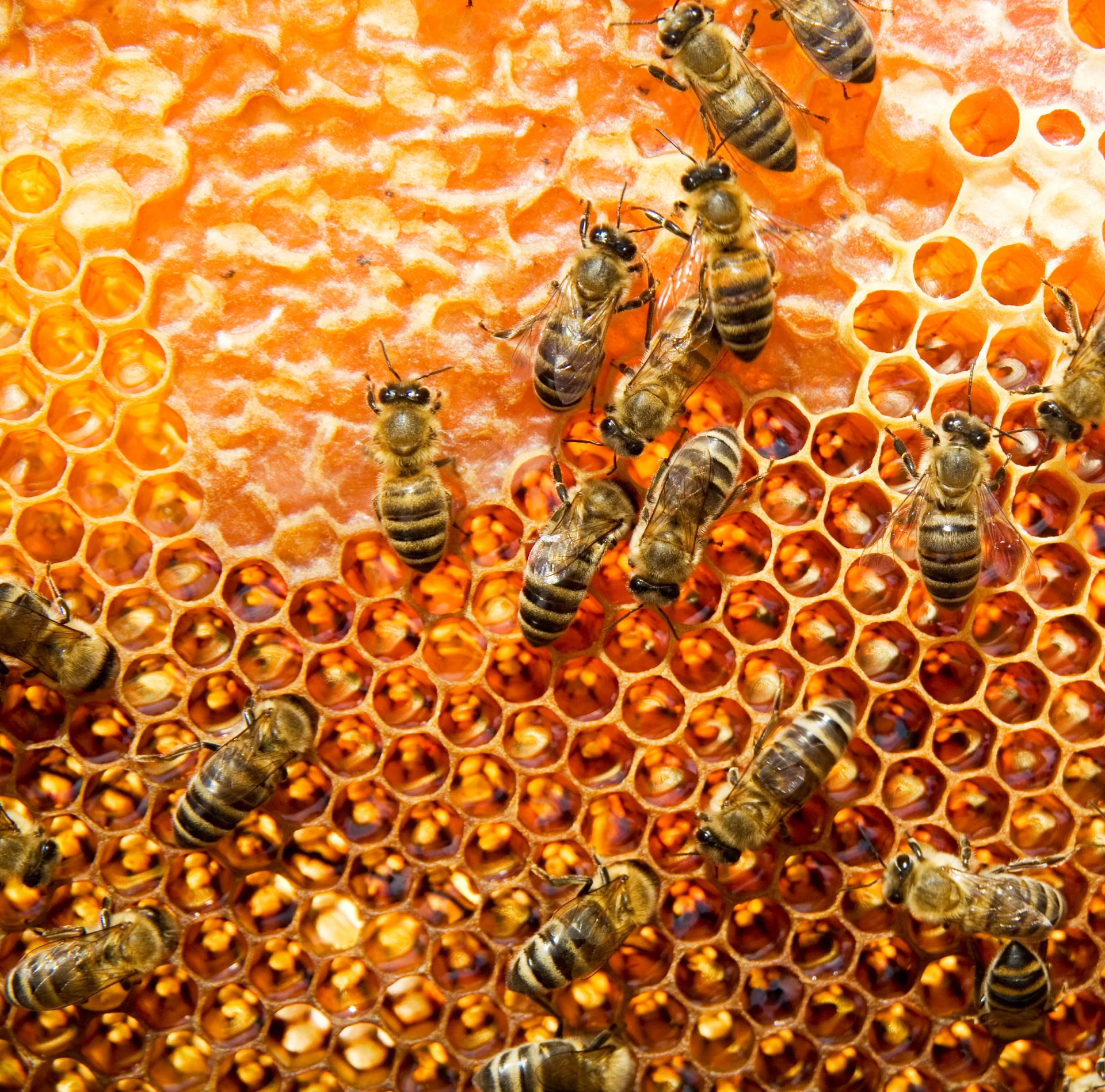
Bee bread is a unique bee product composed of approximately 70% pollen, 25% honey or nectar, and natural secretions from bee glands. Bees collect pollen and pack it tightly into honeycomb cells. The cells are then partially filled with honey and sealed with beeswax. Inside this oxygen-free (anaerobic) environment, fermentation begins.
Fermented for Better Nutrition
Although pollen is rich in protein, it is not easily digestible in its raw form due to its protective outer shell. Bees naturally solve this by fermenting pollen inside the hive. This transformation turns raw pollen into a more bioavailable substance, similar to traditional lactic fermentation used in foods like sauerkraut.
Improved bioavailability
During fermentation, proteins are broken down into amino acids, and important compounds such as lactic acid and vitamin K are formed. This process increases the nutritional efficiency of Bee Bread, turning it into a highly valuable source of energy and essential nutrients. As a result, bee bread is more bioavailable than raw pollen, with active compounds that can be assimilated up to several times more efficiently.
Essential food for the hive
Bee Bread is the primary source of protein for bees and plays a crucial role in the development and survival of the colony. The nutrients derived from bee bread support the production of vital substances such as Royal Jelly. Together with honey, it sustains the colony throughout the winter months. If bees can survive the winter frosts with these two products alone, they must be truly special.
A Powerful Natural Superfood
Thanks to its rich composition and natural fermentation, Bee Bread is also valued as a dietary supplement for humans. It provides a wide range of nutrients, supports energy levels, helping improve overall health and is associated with antioxidant and antimicrobial properties.
Nutritional value of Bee Bread
Bee Bread is the main source of bee protein and works as a natural dietary supplement for people, providing energy and improved health.
Bee Bread is a highly nutritious natural product containing approximately 20–22% protein, 24–34% carbohydrates, and around 1.5% lipids. It is rich in essential minerals such as magnesium, iron, zinc, copper, selenium, and others, as well as key micronutrients including potassium, calcium, phosphorus, and sodium.
It also contains a wide spectrum of vitamins, including A, B-complex (B1, B2, B3, B6), C, D, E, K, and others. Around 15% of its dry matter consists of amino acids, which are present in a form that is easily absorbed by the human body. Bee Bread is also rich in flavonoids, phytohormones, and other biologically active compounds that contribute to its overall effectiveness.
The fermentation process significantly enhances the nutritional value of bee bread. Complex compounds in pollen are broken down into simpler forms, making nutrients easier for the body to absorb. As a result, bee bread is more bioavailable than raw pollen, with active compounds that can be assimilated up to several times more efficiently.
The vitamin levels in bee bread are similar to those in pollen, although Bee Bread contains less vitamin E, but more vitamin K. Bee Bread has 5 to 6 times more lactic acid than dry pollen. Lactic acid is what gives bee bread a sour taste and protects it from mold, microorganisms, and putrefying bacteria. That is also the reason why bee bread can be stored longer than pollen.
Health Benefits of Bee Bread
Bee Bread is valued for its strong antioxidant and antimicrobial properties. It supports the immune system, helps restore vitamin balance, and contributes to overall vitality. Regular use may help reduce physical and mental fatigue, improve mood, and support recovery after illness.
It is often associated with supporting liver and digestive health, as well as maintaining healthy cholesterol levels and cardiovascular function. Bee Bread may also assist in cases of anaemia, atherosclerosis, and metabolic imbalances such as diabetes. Additionally, it is known to support urinary and prostate health, improve appetite, enhance skin condition, and contribute to overall rejuvenation of the body.
Storage of Bee Bread
Thanks to this natural preservation process, Bee Bread remains stable over time with minimal changes in composition, allowing it to retain its valuable properties for extended periods when stored properly.
Bee bread can be stored for up to 2 years without losing much nutritional value, albeit it is best used within one year. Due to the biochemical and physiological processes in bee bread, it will lose around 40% of amino acids and other valuable and active components in 3-4 years.
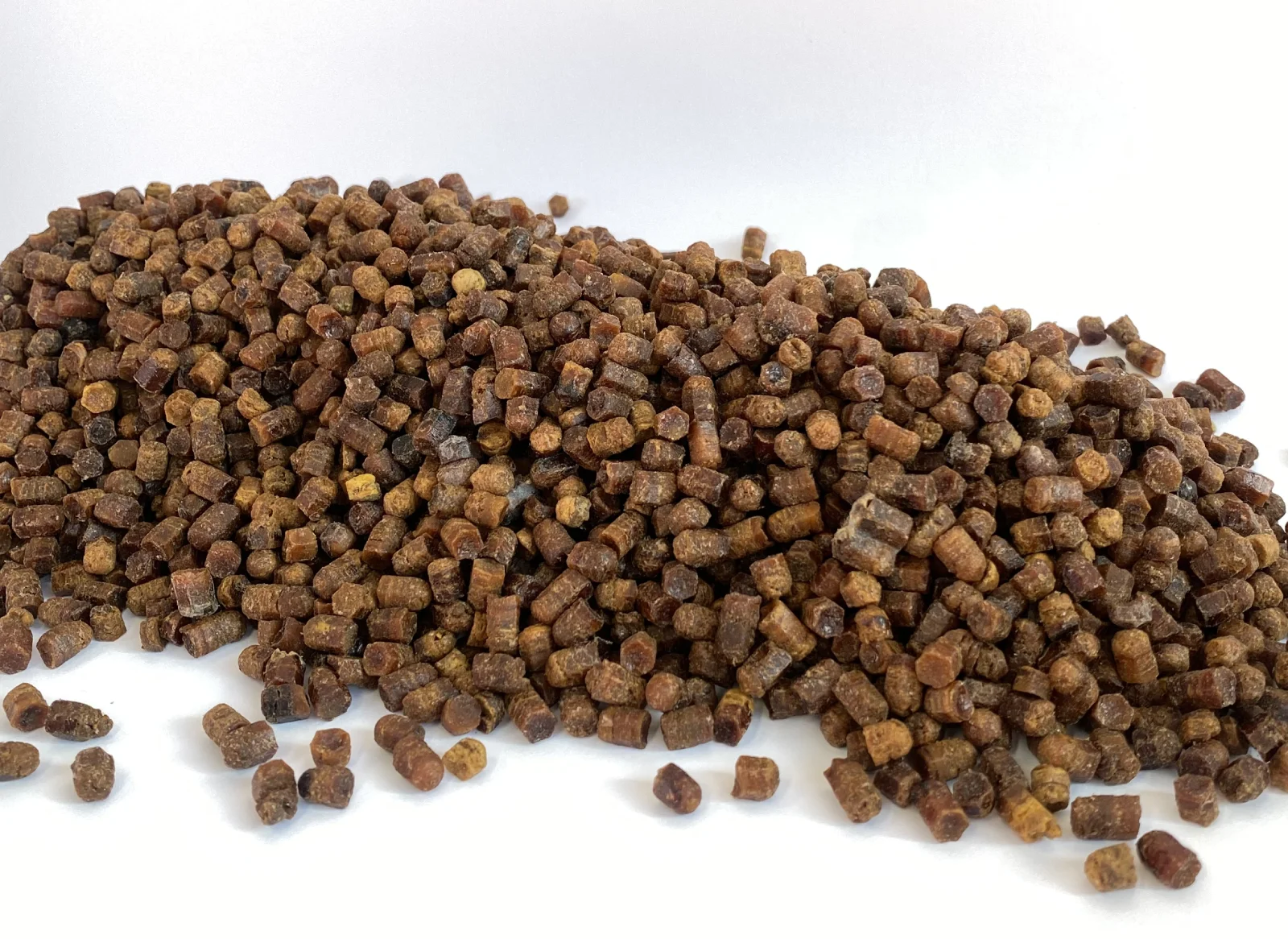
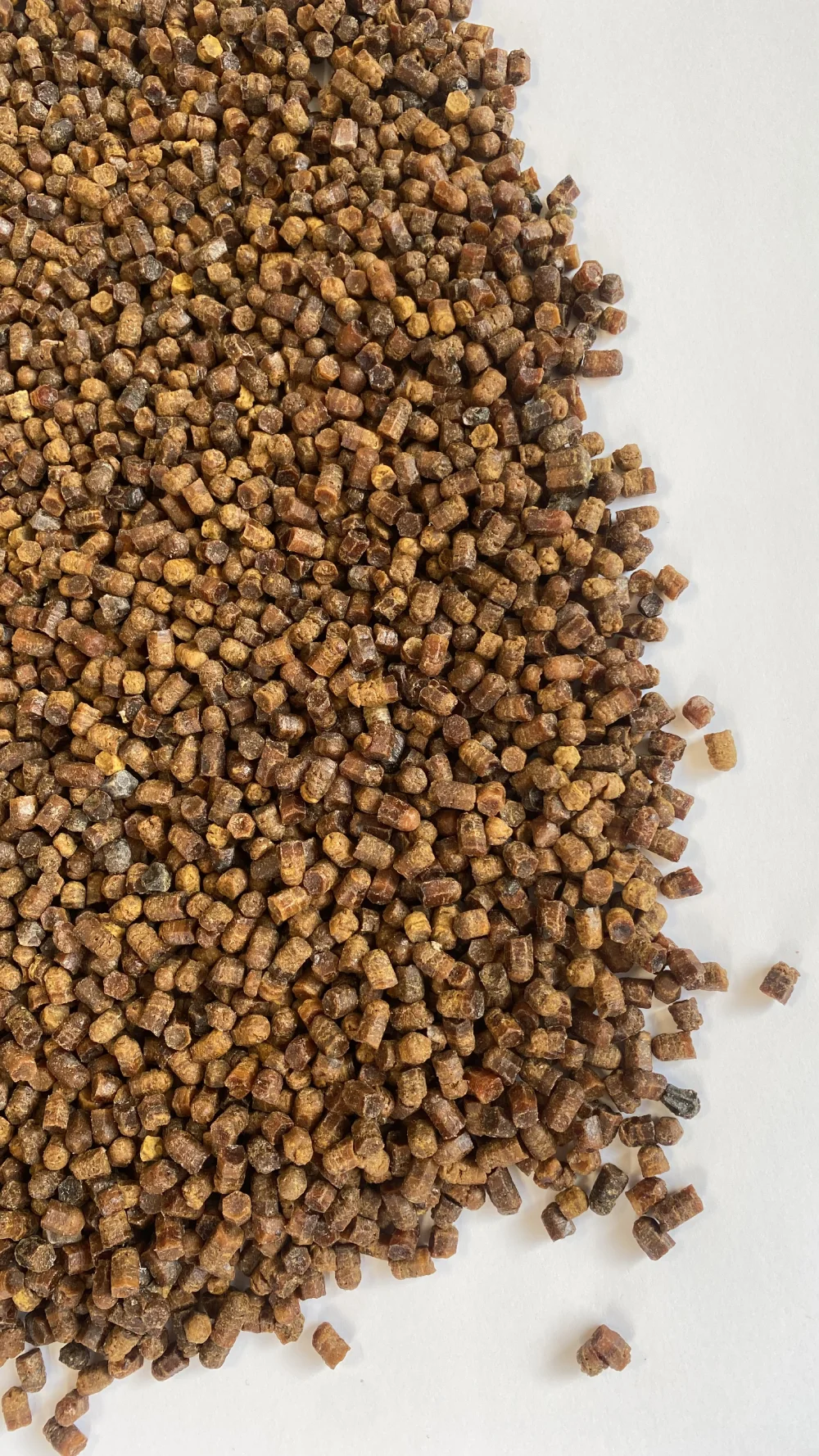
We supply dried and frozen bee bread in the form of granules (4-5 mm), small fraction granules (1-3 mm) and dry powder (10 μ).
Bee Bread is not a medicine. It is a natural dietary supplement, a nutrient produced by bees and extracted in its purest form. However, it does show preventive and healing properties to alleviate many health disorders.
Advantages of the key quality parameters of Bee Bread
| No | Name of parameter | Unit of measurement | Most common in the market | Requirement of our company‘s standart |
|---|---|---|---|---|
| 1. | Protein | % | < 20 | Min 23 |
| 2. | Lipids | % | 0,67÷ 1,58 | |
| 3. | Carbohydrates | % | 24.4-34.8 | |
| 4. | Lactic acid | % | 3.06-3.2 | |
| 5. | Minerals | % | 2.43 | |
| 6. | pH | Unit | 3,5 ÷ 4,5 | |
| 7. | Moisture | % | 13 ÷ 11 | |
| 8. | Wax | % | 2 ÷ 5 | Max 0,5 |
| 9. | Flavonoids | % | Min 2,5 | |
| 10. | Oxidability, no more | s | Max 20 | |
| 11. | Heavy Metals (Ph. Eur. 2.4.27) | |||
| Lead (Pb) | mg/kg | Max 0,05 | ||
| Cadmium (Cd) | mg/kg | Max 0,08 | ||
| Mercury (Hg) | mg/kg | Not detected | ||
| 12. | Pyrrolizidinalcaloides (PA) | µg/kg | > 120 | Max 50 |
| 13. | PAH (polycyclic aromatic hydrocarbons) | µg/kg | > 100 | Max 26 |
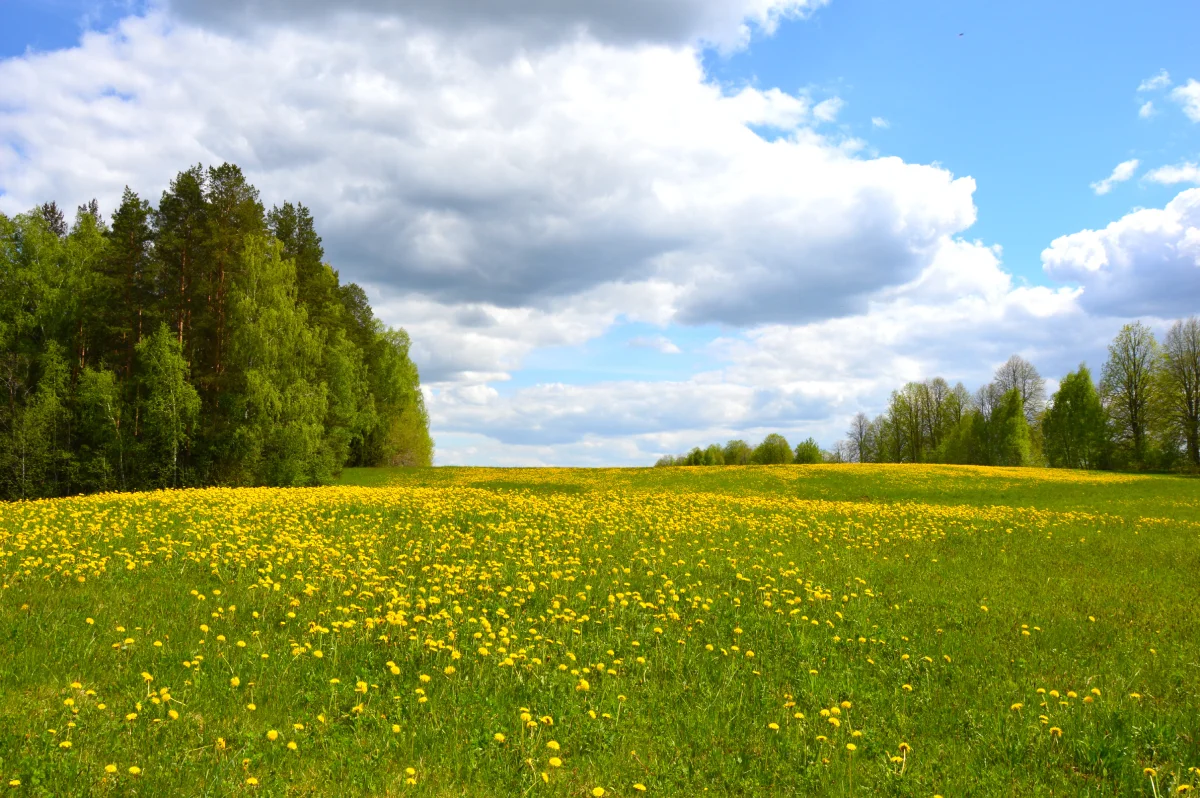
- Our Bee Bread is produced from pollen collected from over 70 different wildflower species, that are mostly found in wild nature.
- It is naturally matured in the beehive for the full fermentation period of 3 months.
- The taste is well-balanced, combining mild sweetness with a slightly tart and subtly bitter note characteristic of fermented products.
- The product is carefully dried to a moisture level of 11–13.5%, It is meticulously cleaned and free of fine fraction and powder.
- Bee bread granules are uniform in shape and size, with all beeswax residues fully removed, resulting in an excellent, marketable appearance.
- It does not contain any chemical contamination or residues of pesticides, aflatoxins, pyrrolizidine alkaloids, heavy metals, or antibiotics. Pesticide residue levels are in compliance with the Ph. Eur/EC regulation No. 396/2005. Generally, they are undetectable, except for one-off pesticides, which are detectable at the lowest laboratory levels, but their residue levels never exceed the maximum levels.
- Good microbiological status, complies with Ph. Eur. 5.1.8.- C requirements.
- GMO-free. Lithuania and the Baltic states have banned GMOs.
Summary
Our Bee Bread is produced in full compliance with established technological and quality standards. The raw material is selected very carefully. The Bee Bread is extracted from fresh, dry, fully matured and properly fermented beehives. When stored under recommended conditions, the product has a shelf life of up to 2 years from the date of production.
Bee Bread is exceptionally rich in its chemical and nutritional composition. It contains a full spectrum of biologically active compounds, including proteins, lipids, carbohydrates, vitamins, minerals, micronutrients, amino acids, flavonoids, and other essential substances naturally present in the product.
In addition, the level of chemical contamination is extremely low or non-existent, meeting strict safety standards applied across international markets.
Bee Bread is widely used as a raw material in the production of dietary supplements, pharmaceuticals, and veterinary products. It is also suitable for direct consumption in granular form, either on its own, with liquids, or mixed into foods such as honey, yoghurt, and other products.
Why is Bee Bread so beneficial?
This product is the key source of protein for bees and a natural dietary supplement for people.
Bee bread helps reduce physical and mental fatigue, supports a balanced mood, and contributes to restoring vitamin levels in the body. It is particularly beneficial during recovery, helping to rebuild strength after illness. It supports the immune system, contributes to cardiovascular health, and may assist in managing conditions such as atherosclerosis. Bee Bread is also associated with supporting healthy blood sugar levels and helping to maintain normal cholesterol levels.
Bee Bread supports appetite and digestive function, promotes liver and gallbladder health, and stimulates the production of hemoglobin and red blood cells, helping to maintain healthy blood levels. It also contributes to mental well-being and overall psychological health.
Additionally, Bee Bread may aid in managing prostatitis and anemia, while supporting detoxification and overall digestive wellness.
Many athletes eat Bee Bread because they believe it boosts their immune system, increases oxygen uptake, improves performance and supports faster recovery after a workout.
- A natural dietary supplement and a valuable source of vitamins and micronutrients, helping to restore and maintain nutritional balance in the body.
- It may enhance the effectiveness of certain therapies while helping to reduce unwanted side effects and overall strain on the body.
- It improves the quality of life by rejuvenating the body, keeping it active longer, prolonging life, and improving health.
- It strengthens the immune system and increases the body’s resilience to physical and emotional stress.
- It helps restore strength after fatigue or exhaustion, tones the body, and provides a natural source of energy.
- It supports cellular renewal and the regeneration of damaged tissues, contributing to the body’s natural recovery processes.
Frequently asked questions
Lorem ipsum dolor sit amet, consectetur adipiscing elit. Praesent ligula tellus, pharetra quis justo auctor, rhoncus tempus augue. Aliquam eget augue orci. Phasellus aliquet sed nisi eu malesuada.
Bee Bread is a naturally fermented bee product made from pollen, honey or nectar, and bioactive compounds produced by bees. Inside the hive, bees pack pollen into honeycomb cells, add honey and enzymes, and seal it with beeswax.
This process transforms raw pollen into a highly bioavailable substance. As a result, bee bread contains a complex combination of proteins, amino acids, vitamins, minerals, enzymes. It is the main source of protein for bees and a highly valued natural dietary supplement for humans.
While Bee Pollen is raw and less digestible due to its outer shell, Bee Bread is fermented. This natural process breaks down complex compounds into simpler forms, making nutrients easier to absorb. As a result, Bee Bread is significantly more bioavailable than pollen.
Lithuanian bee bread is known for its high quality, purity, and rich composition. It is produced from pollen collected from more than 70 wildflowers species and is naturally fermented in the hive for the full maturation period, resulting in a cleaner and more nutritionally valuable product.
Bee Bread is the primary source of protein for the colony. It supports the growth and development of young bees and is essential for producing important substances such as royal jelly. Together with honey, it feeds the hive throughout the winter.
Bee Bread contains a wide range of nutrients, including proteins, amino acids, vitamins, minerals, enzymes, and antioxidants. Due to fermentation, these nutrients are more easily absorbed by the body, making it a highly efficient natural dietary supplement.
Bee Bread is associated with supporting the immune system, increasing energy levels, providing natural protein, increasing body resilience to physical and emotional stress, and reducing fatigue. It may help maintain cardiovascular health, support digestion and liver function, and contribute to overall vitality and recovery after illness.
Many athletes choose Bee Bread to help increase energy levels, support muscle recovery after exercise, improve oxygen uptake, and maintain overall physical resilience. It provides a balanced source of proteins, essential amino acids, vitamins, and minerals that support endurance, recovery, and overall performance.
Bee bread can be consumed in its natural granular form or mixed with liquids, honey, yoghurt, or other foods. It is commonly used as a dietary supplement in daily nutrition. It is recommended to use Bee Bread in cycles: consume Bee Bread for 3 weeks with a 2 week break afterwards.
The recommended intake is:
- Adults: 10–15 g (approximately 1 tablespoon) per day
- Children: around 5 g (1 tablespoons) per day
It is recommended for children from the age of 3 to start with a small amount—such as one granule per day—to check for any possible allergic reaction before regular use.
In rare cases people may experience allergic reactions to bee products. If you notice symptoms such as itching, swelling, or irritation, discontinue use immediately and seek medical advice if necessary.
Bee Bread has a unique flavour profile that combines mild sweetness with slightly sour and subtly bitter notes, typical of naturally fermented products.
Bee bread is generally safe for most people. However, individuals who are allergic to bee products should exercise caution and consult a healthcare professional before use.
It is also recommended that children, pregnant or breastfeeding women, and people with existing medical conditions consult a healthcare professional before using Bee Bread.
Bee Bread is widely used in dietary supplements, pharmaceuticals, cosmetics, and even veterinary applications. It is also suitable for direct consumption in its natural form.