
Beeswax

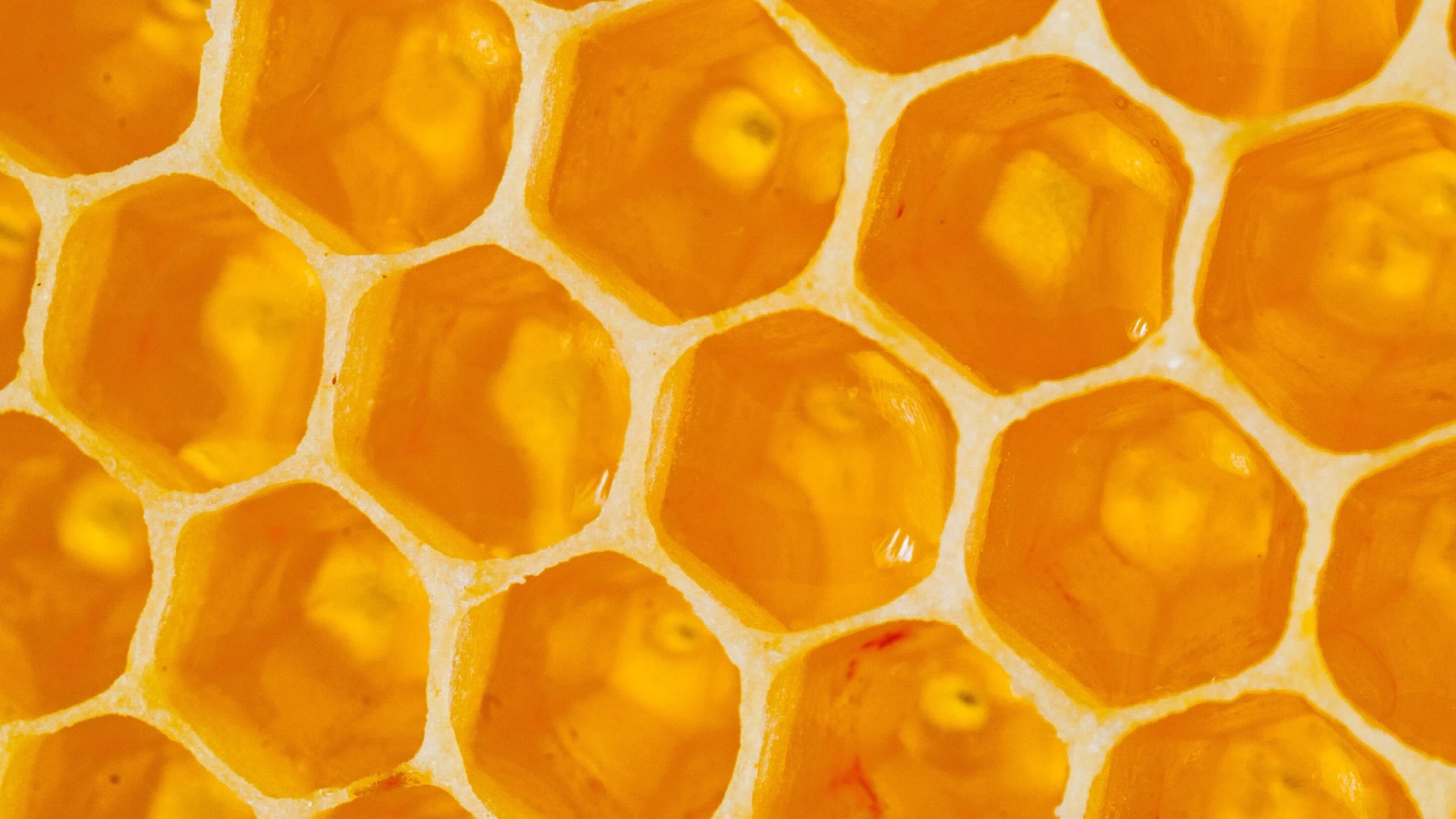
Beeswax is another remarkable creation of the beehive. Honeybees are unique in the animal world—not only do they build their own home, but they also produce the material needed to construct it. Using beeswax, they create the honeycomb that serves as a home, a nursery, and a storage space for food.

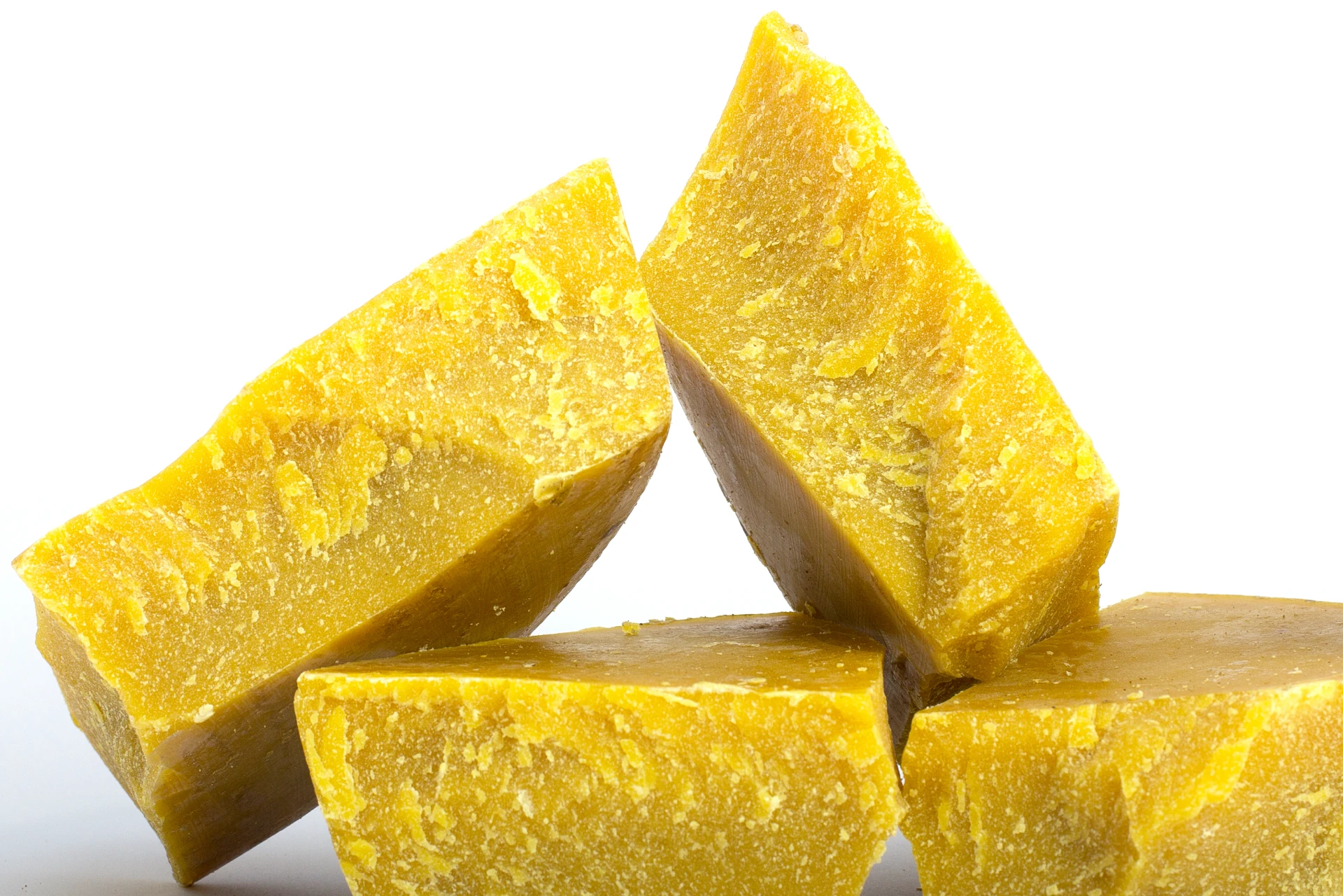
Beeswax itself is a complex natural substance produced by bees of the species Apis mellifera. It consists of more than 300 different compounds, primarily including alkanes, free fatty acids, monoesters, diesters, and hydroxy monoesters, along with smaller amounts of fatty alcohols and other components. Its exact composition can vary depending on geographical origin and environmental conditions.
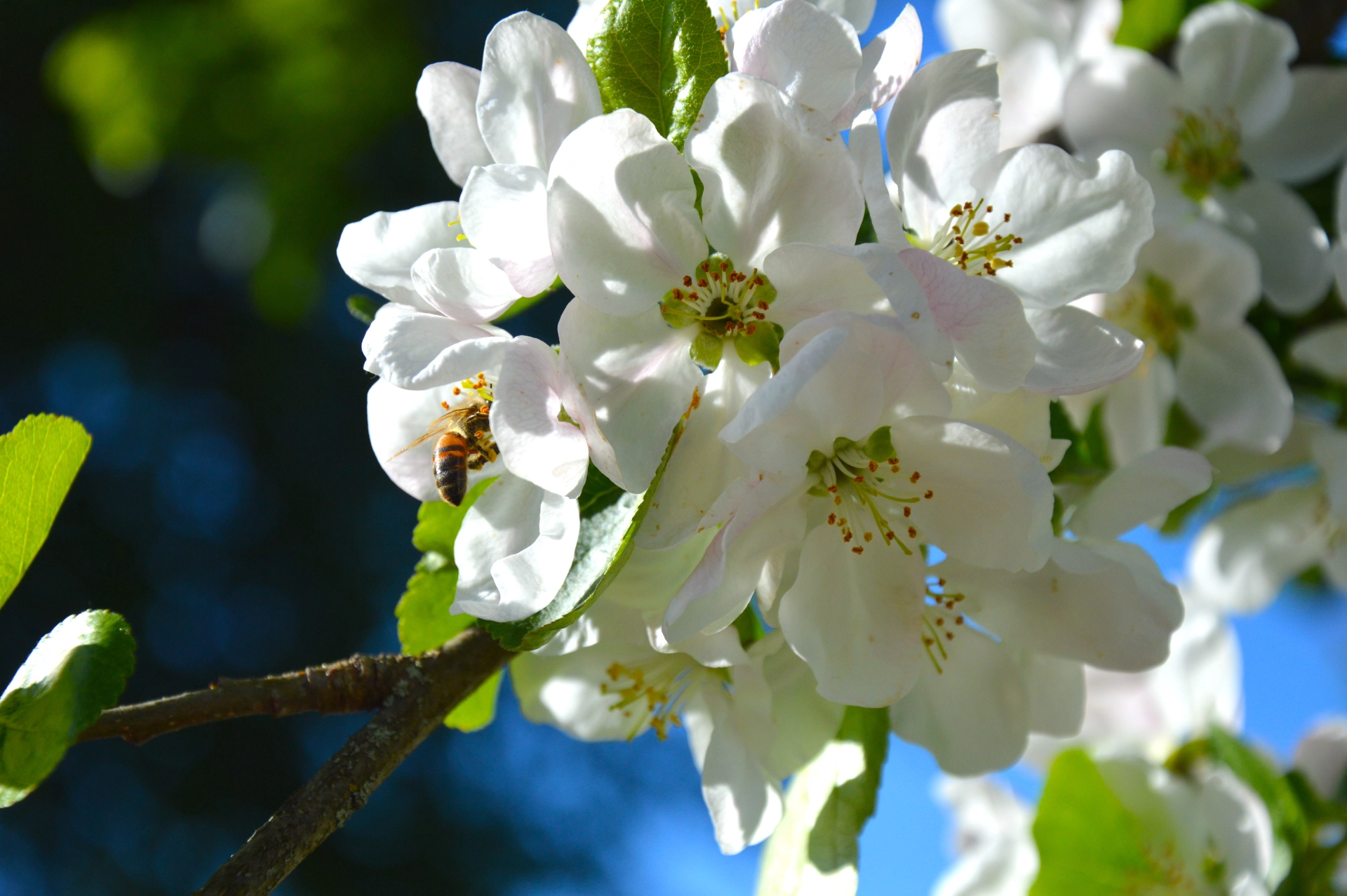
Beyond its vital role in the hive, beeswax is highly valued in cosmetics for its protective and nourishing properties, and in candle making, where it provides a clean burn and naturally purify the air.

Beeswax is a natural substance produced by worker bees through specialised glands located on their abdomen. It is secreted in the form of tiny, thin flakes that quickly harden when exposed to air. These flakes are initially transparent and colourless, but over time they develop the characteristic yellow shades of beeswax due to natural pigments from pollen and propolis.

Beeswax is mainly produced by young worker bees, typically between 12 and 20 days old. Around 1,100 wax flakes are needed to produce just one gram of beeswax. Using this material, bees rapidly build honeycombs that serve as a space for raising larvae and storing food for the colony.

From Honey to Wax

Bees produce beeswax by first ingesting honey. It takes about 7 kg of honey to create 1 kg of beeswax. After 24 hours, the honey is transformed into wax, which hardens into small flakes when exposed to air. Bees then collect and chew these flakes until they are soft enough to build honeycombs.

Hexagonal shape

Over thousands of years, bees have perfected the hexagonal design of the honeycomb, as it provides maximum strength and stability while using the least amount of material. These precisely formed cells can store large amounts of honey and also provide the ideal environment for the transformation of larvae into adult bees.

Natural colours and fragrance

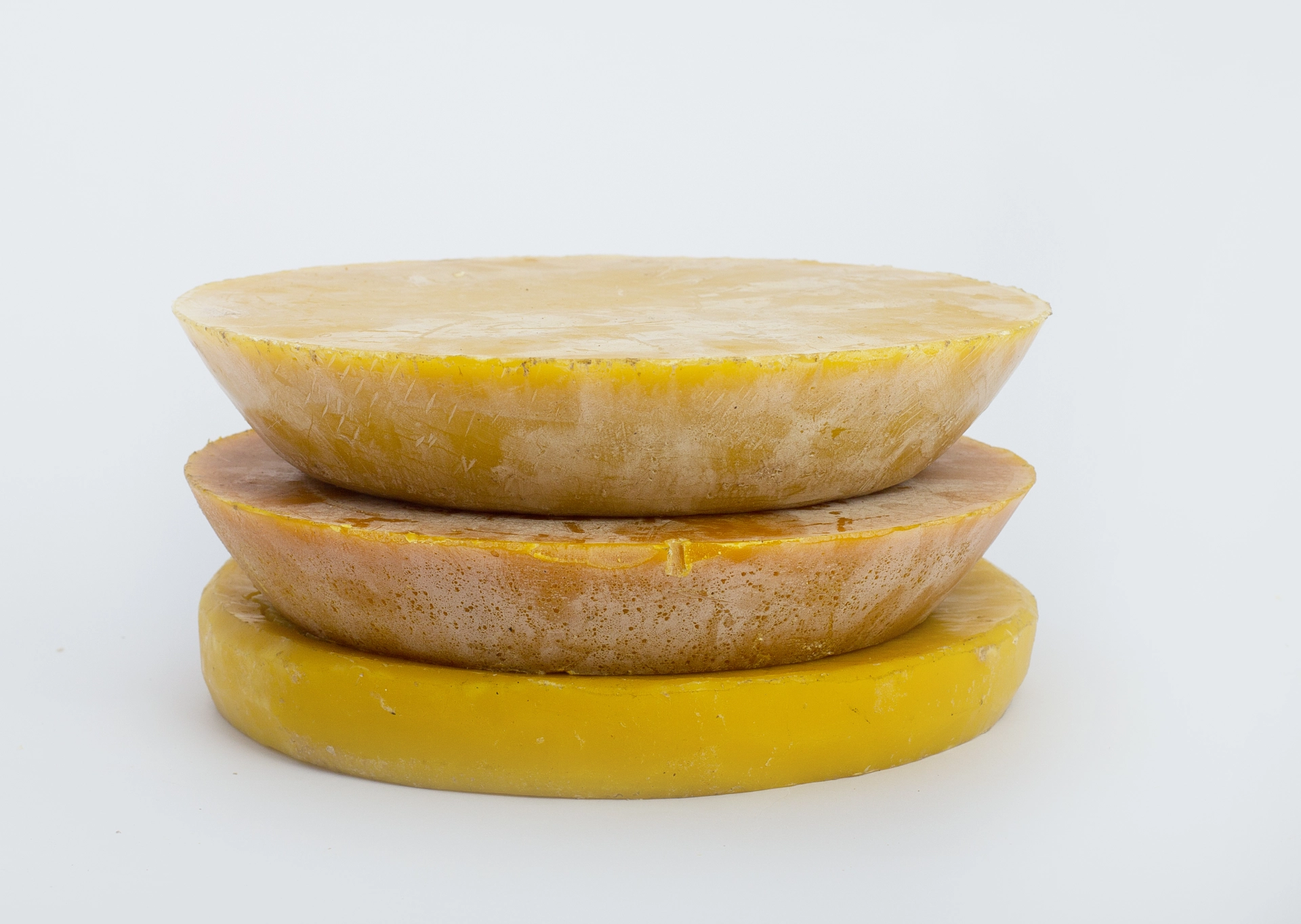
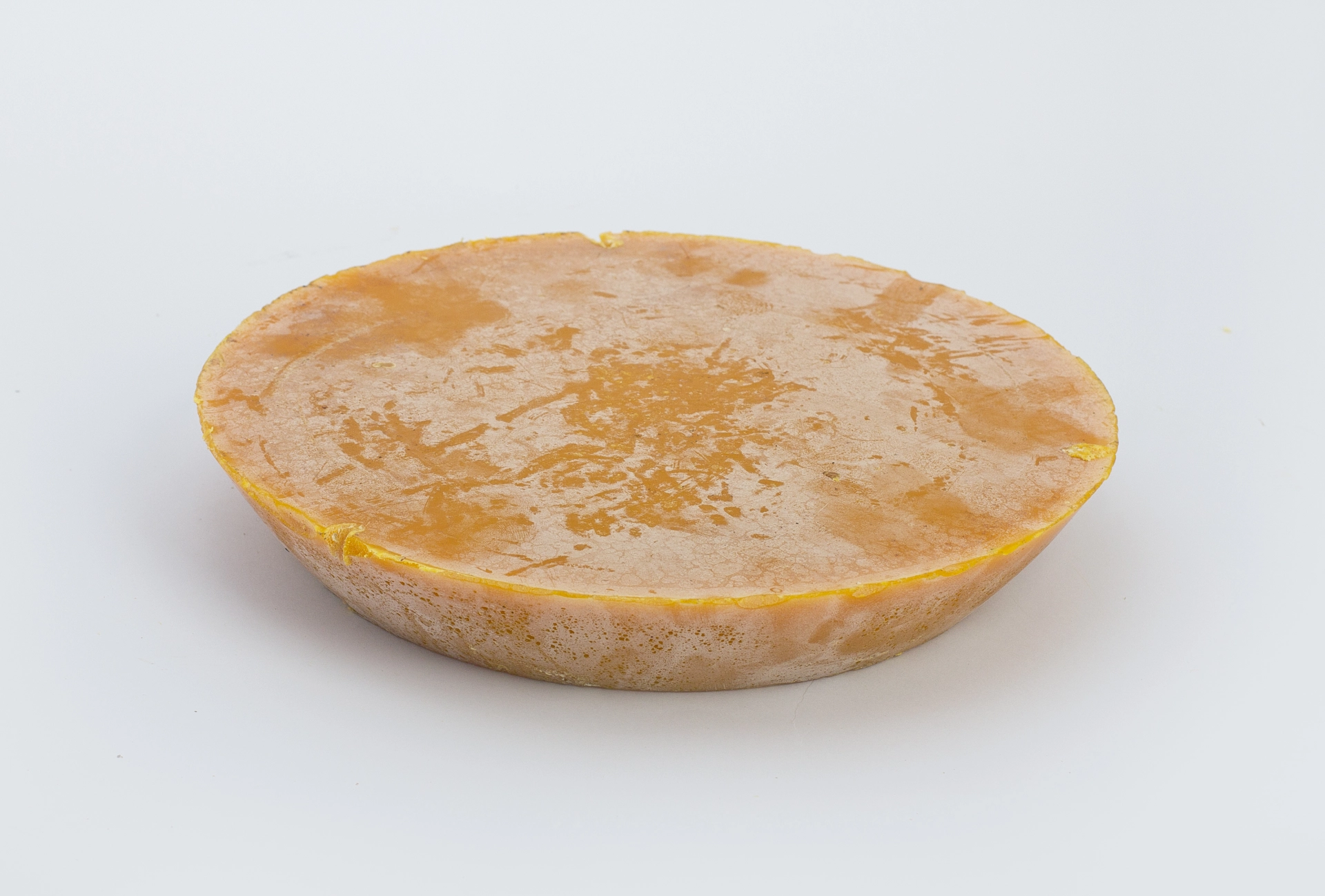
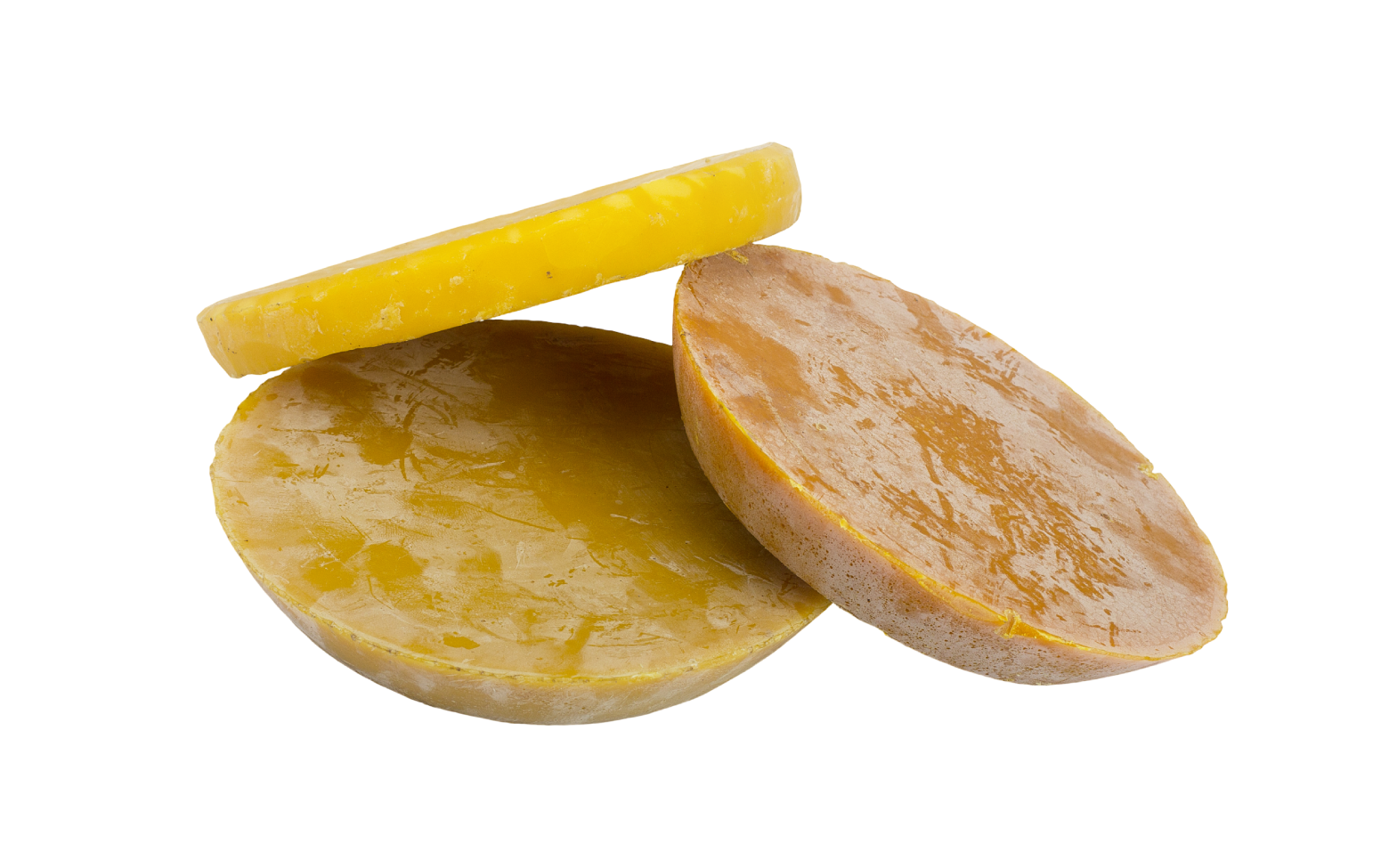
Each batch of beeswax has its own colour and scent, influenced by propolis, pollen and honey added by bees during production. Lithuanian Beeswax has a unique pleasant scent of honey, beautiful light yellow to dark brown colour, is clean and pure, without any additives.

Air-Cleansing Candles

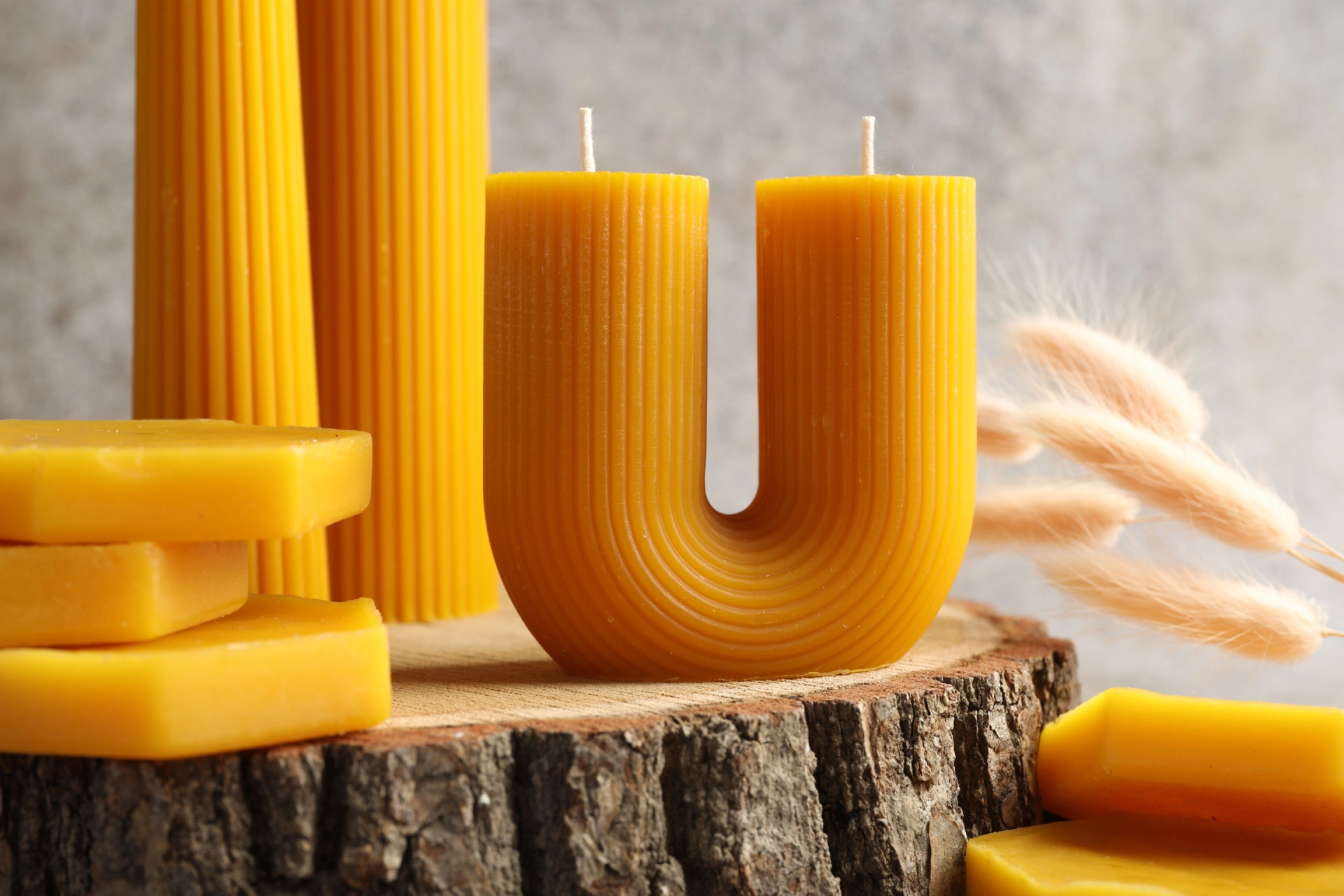
Beeswax is widely used to make natural candles that purify the air. Burning beeswax produces negative ions that neutralise positively charged pollutants such as dust, odours, bacteria, and allergens, helping to reduce airborne toxins and creating a cleaner, fresher environment — especially for allergy and asthma sufferers.

Skincare and cosmetics

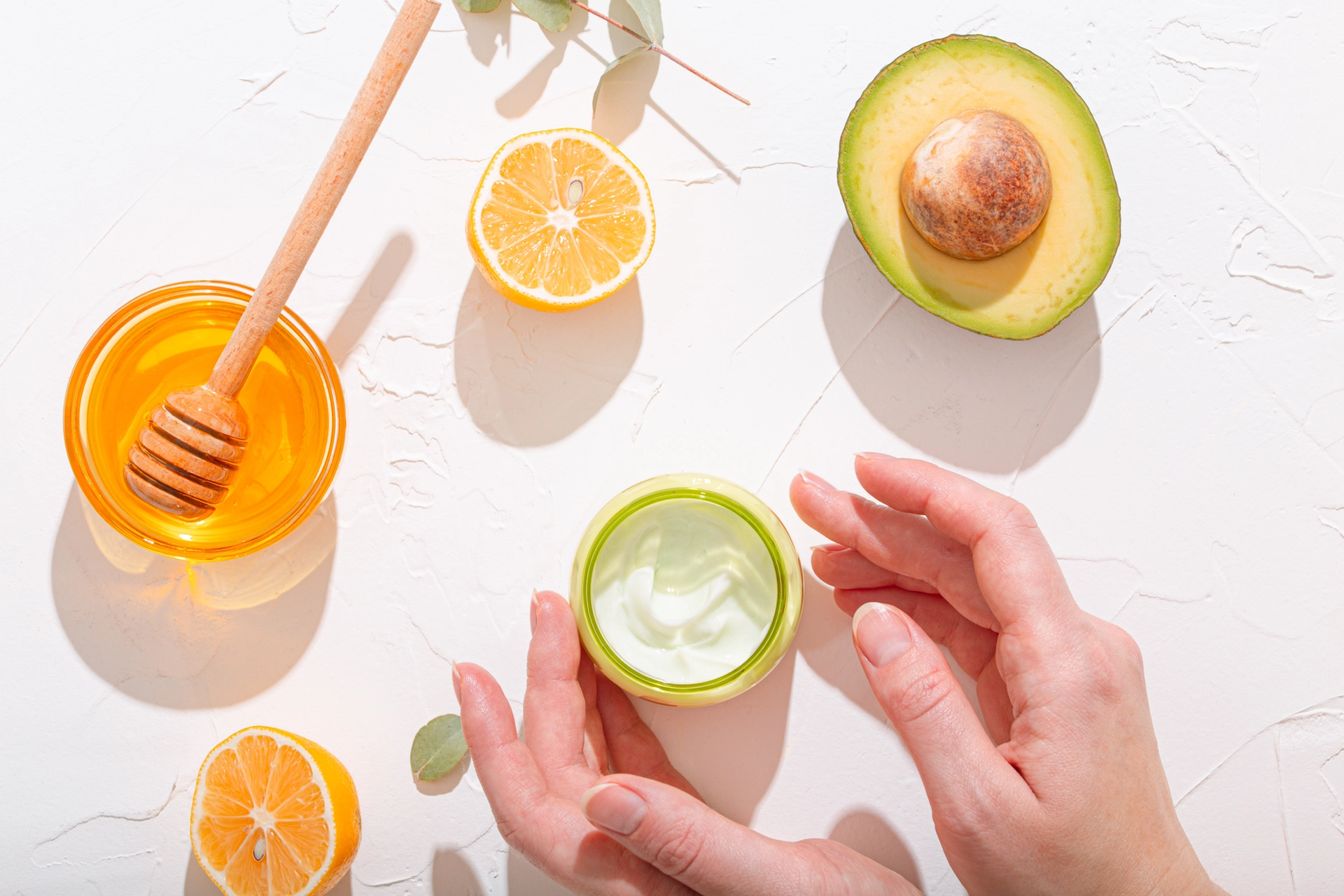
Beeswax is a valued natural ingredient in cosmetics and skincare. It protects, nourishes and moisturises the skin, while forming a gentle barrier against environmental damage. Its natural antiseptic and anti-inflammatory properties help soothe irritation and support healthy, smooth skin, making it ideal for creams, balms, and lip care products.

Beeswax is a solid, water-insoluble substance with a remarkably stable chemical structure. Its resilience is proven by ancient beeswax found in tombs, which remains intact and usable even after thousands of years.

Colour and fragrance

Beeswax is a solid, water-insoluble substance with a remarkably stable chemical structure, which remains unchanged over time. In fact, beeswax discovered in ancient tombs thousands of years old is still perfectly usable, demonstrating its durability and longevity.
When freshly produced by bees, beeswax is naturally white. Over time, however, honeycombs made from this wax gradually darken. Honeycombs that house bee larvae tend to be darker due to their higher content of propolis. Once the cells are filled with honey, the wax begins to develop its characteristic fragrance. The aroma of beeswax is influenced by the source of the nectar, the variety of honey, and the length of time the honeycomb remains in the hive.
Every batch of beeswax has its own unique colour and scent profile. During the natural construction of the honeycomb, bees add propolis and pollen to help glue the cells, and essential oils and pigments from the honey are absorbed into the wax. This gives the wax the natural colour and aroma of honey, which can range from light yellow to darker brown.

Nearly white beeswax can be obtained through gentle filtration of the fresh honeycomb wax, which preserves its purity while removing impurities. More intensive filtration produces a lighter, brighter wax, though some of the natural honey aroma may diminish with stronger processing. Much like wine or honey, each batch of beeswax carries subtle variations that reflect the flowers the bees visited, the type of honey stored, and the overall conditions in the hive, making each batch truly distinctive.

Beeswax applications

Our high-quality beeswax has many applications:

  1. It is used in beekeeping for building new honeycombs;
  2. Candle making;
  3. Beeswax is used in medicine to manufacture capsules, gels, creams, and lozenges due to its anti-inflammatory, antiseptic, emollient, and moisturising properties.
  4. The cosmetics industry uses beeswax to make glosses, lipsticks, creams, haircare products, soaps, japanese manicure paste, ointments, emulsions, deodorants, and depilators due to its emollient, moisturising, and protective properties.
  5. Beeswax is used in the food and the dietary supplement industries for cheese production, confectionery, and various food packaging solutions due to its preservative and water-retaining properties and the ability to reduce adhesiveness.
Beeswax candles

One of the main uses of beeswax is for making natural beeswax candles. When burned, beeswax produces negative ions that circulate through the room and attract positively charged particles such as dust, odours, mould, bacteria, viruses, and other pollutants. These particles are neutralised and fall to the ground, effectively cleansing the air and reducing the inhalation of toxins. This natural air-purifying effect leaves your home fresher and cleaner and is especially noticeable for people with allergies or asthma.

In contrast, most commercial candles are made from paraffin, an oil by-product derived from the sludge left over after chemically distilling gasoline and oil. This paraffin is bleached and mixed with synthetic compounds for colour and fragrance. Burning paraffin produces toxic combustion by-products, many of which are known carcinogens.

Beeswax candles burn cleanly and safely, even in non-ventilated spaces.

Beeswax purity & storage

Only high-quality beeswax—light in color, fresh, and naturally fragrant—is considered suitable for supporting human well-being in food, medical, and cosmetic applications. Dark or blackened beeswax does not meet these standards and is not appropriate for such uses. It is also not recommended for candle-making, as it offers little to no beneficial or energetic qualities.

When purchasing beeswax, it is important to ensure it is truly 100% pure. Be aware that current labeling regulations may allow products containing as little as 51% beeswax to still be marketed as “pure beeswax.”

A fine, white powdery layer—commonly referred to as “bloom”—naturally develops on the surface of pure beeswax over time. This is a sign of authenticity and occurs as lower-melting components gradually rise to the surface.

Beeswax should be kept away from humid environments and strongly scented substances. For best preservation, store it in a dry, well-ventilated space at temperatures below 20°C. When stored under proper conditions, beeswax can retain its beneficial qualities for more than a decade.

The melting point of beeswax is 60°C to 68°C. At below 18°C, beeswax is brittle and at 35°C to 40°C, it turns into a soft and flexible mass. The relative density of beeswax at 15°C is between 0.958 and 0.970 g/cm3, and the electrical resistance ranges from 5×10¹² Ωm to 20×1012 Ωm. The thermal conductivity of beeswax is 2/5×10−3 Jcm/s °C cm2. Beeswax is chemically stable, malleable, and insoluble in water, while remaining resistant to many acids. It can, however, be dissolved by heat, organic solvents, and fatty oils.

Beeswax composition

Beeswax consists of:

  • 70-75% of beeswax consists of 24 types of complex ethers (monoesters, diesters, triesters, hydroxy monoesters, and hydroxy polyesters);
  • 13-15% of free fatty acids (acid esters, acid polyesters);
  • 12–16% of carbohydrates;
  • 0.1-2.5% of alcohols and water;
  • dyes;
  • aromatics;
  • minerals from propolis, honey, and pollen; it is very rich in vitamins and minerals, particularly carotene (vitamin A).

Advantages of the key quality parameters

Name of parameterUnit of measurementMost common in the marketRequirement of our company‘s standart
Carbohydrate content%> 18,5 ÷ 23Max 16,0 ÷ 17,0
That includes the amount of paraffin and other artificial waxes in the carbohydrates%> 4,0 ÷ 8,5Max 2,0 ÷ 2,5
  • Carbohydrate content does not exceed 16.0–17.0%.
  • Lithuanian beeswax is is free from pesticide contamination. Pesticide residues comply with the Ph. Eur/EC Regulation No. 396/2005.
  • All key technical parameters meet the established beeswax quality standards approved by the company.
  • It has an excellent, intense fragrance of honey and pollen, which is unique to our region. The colour varies from light to bright yellow, with occasional greenish and brown tones.
  • The wax is carefully melted and purified, ensuring it is free from emulsions and mechanical impurities.
Summary

Our beeswax is a high-quality raw material, ideal for the production of beeswax foundation sheets in beekeeping, as well as for use in the medical and food industries. Its balanced composition, excellent quality parameters, and minimal pesticide presence make it highly suitable for a wide range of applications.

It is undoubtedly perfect for producing natural candles, because burning beeswax candles releases a lot of essential oils that ensure a pleasant aroma and comfort for a lovely atmosphere in the room.

Our beeswax can be used in the medical, food, and cosmetics industries that require very high technical performance.

Why is beeswax so beneficial?

Natural beeswax has strong bactericidal properties. It helps warm deep tissue, soften and reduce scars and stretch marks, improve skin tone, maintain a youthful appearance, and soothe irritation.

When applied to the skin, beeswax forms a breathable protective layer that helps prevent moisture loss. 

It deeply nourishes and softens the skin, enhancing its overall condition. Rich in antioxidants and vitamin A, it is widely valued in natural skincare and is suitable even for sensitive skin.

In medical settings, beeswax is used for inhalations, wax therapy, physiotherapy, thermotherapy, the treatment of dermatological issues, otolaryngology, gynaecology, and dentistry.

Beeswax has a potent bacteriological effect and can be used to treat burns. IIt may help reduce toxin-related symptoms, support digestive function, helps restore peristalsis and promote a balanced gut microflora. 

It is also associated with gut health and may be used in cases of dysbiosis. Chewing honeycomb (without swallowing the wax) is a traditional method to support oral and throat health.

  • Primary building and protective material of honeycombs
  • Cleanses and aromatises the air.
  • Natural antiseptic with anti-inflammatory properties
  • Skin protection, nourishment, and regeneration
  • Functions as a natural preservative and moisture barrier

Frequently asked questions

Lorem ipsum dolor sit amet, consectetur adipiscing elit. Praesent ligula tellus, pharetra quis justo auctor, rhoncus tempus augue. Aliquam eget augue orci. Phasellus aliquet sed nisi eu malesuada.

Natural beeswax is a substance produced by young worker honeybees (usually up to 15 days old) through special glands on their abdomen. Bees use it to build honeycombs, protect the hive from moisture, and create a safe environment for their young.
Freshly secreted beeswax is white, but as bees mix in propolis, pollen, and other hive materials, it acquires a natural golden hue and subtle aroma. Its color and fragrance can vary depending on the plants the bees visit, making each batch unique—similar to how honey or wine carries characteristics of its origin.

Chemically, beeswax is a stable, water-insoluble material made of over 300 compounds, including esters, fatty acids, and hydrocarbons. This complex structure allows it to remain solid and durable over time, making it a versatile natural product used in cosmetics, candles, and more.

Bees produce beeswax by converting honey inside their bodies. The wax is secreted as small flakes, which bees collect, chew, and shape into honeycomb structures used for storing food and raising larvae.

Beeswax is a versatile natural product with many applications across different industries:

  • Beekeeping: Used to build honeycomb foundations for new hives.
  • Candle making: Burns cleanly, releasing a subtle, pleasant aroma that creates a cosy atmosphere.
  • Cosmetics and skincare: Its softening, moisturizing, and protective properties make it ideal for lipsticks, creams, ointments, hair care products, and deodorants.
  • Pharmaceuticals: Acts as a natural ingredient in capsules, gels, creams, and lozenges, offering antiseptic, anti-inflammatory, and emollient benefits.
  • Food and dietary supplements: Used for preservation, reducing adhesiveness, and water retention, for example in cheese, confectionery, and food packaging.

Each batch of beeswax, thanks to its purity and natural composition, carries unique qualities, making it suitable for high-quality applications in these areas.

Our Beeswax stands out for its purity, high quality, and the rich, natural fragrance of honey and pollen, unique to our region. Its color ranges from light to bright yellow, greenish, and orange. The carbohydrate content does not exceed 17%, and the presence of paraffin or other artificial waxes is minimal, at just 2–2.5%, compared to many commercially available beeswaxes that can contain up to 50% paraffin.

In terms of composition, our beeswax contains:

  • 70–75% complex esters – including monoesters, diesters, triesters, hydroxy monoesters, and hydroxy polyesters.
  • 13–15% free fatty acids – such as acid esters and acid polyesters.
  • 12–16% carbohydrates
  • 0.1–2.5% water

It is naturally rich in carotene (vitamin A), as well as pigments and aromatic compounds absorbed from honey, pollen, bee bread and propolis. These natural substances give our beeswax its characteristic color and the distinctive, delightful fragrance of honey and pollen.

Bee Bread contains a wide range of nutrients, including pro

Yes. Beeswax candles are a natural, clean-burning alternative to paraffin candles. Unlike paraffin, which is derived from petroleum and can release toxic by-products when burned, beeswax produces minimal smoke and pollutants.

When beeswax candles burn, they emit negative ions that can neutralize airborne pollutants, helping to cleanse the air. This makes them safer for indoor use, even in less-ventilated spaces. Additionally, beeswax candles have a naturally long burn time and a subtle, pleasant scent, enhancing your indoor environment naturally.

In contrast, paraffin candles can release harmful chemicals, some of which are linked to respiratory issues and even cancer. Choosing beeswax means choosing a healthier, more eco-friendly option.

teins, amino acids, vitamins, minerals, enzymes, and antioxidants. Due to fermentation, these nutrients are more easily absorbed by the body, making it a highly efficient natural dietary supplement.

Yes, beeswax is widely used in skincare and cosmetic products because of its protective, moisturizing, and soothing properties. It forms a breathable barrier on the skin, helping to retain moisture and improve overall skin condition, and is generally well-tolerated—even by sensitive skin.

However, in rare cases, some people may experience an allergic reaction to beeswax or its natural components. For most people, beeswax remains a safe and natural skincare ingredient. If allergic reaction appears, stop using the product immediately.

High-quality beeswax is naturally fragrant, with a pleasant aroma of honey and pollen. Its colour can vary from light yellow to darker brown, depending on the flowers visited by the bees and the type of honey stored in the combs. Over time, a fine, white powdery layer—called “bloom”—may form on the surface. This is a natural feature of pure beeswax and indicates its authenticity and purity.

Good beeswax is also clean, free from mechanical impurities or emulsions, and has a uniform structure. It meets established technical and safety standards, making it suitable for use in candles, cosmetics, food, and medical applications.

Beeswax is generally safe for most people and has very few contraindications. However, individuals with allergies to bee products should exercise caution. To check for sensitivity, apply a small amount of a beeswax-based product to the inner wrist and wait a few minutes. If no redness, itching, or irritation occurs, it is typically safe to use.

Other products

The Baltic region’s clean and diverse natural environment gives conditions for bees to collect natural and pure products, containing beneficial components as enzymes, vitamins, micronutrients, antioxidants and flavonoids.

Honey

Bee Bread

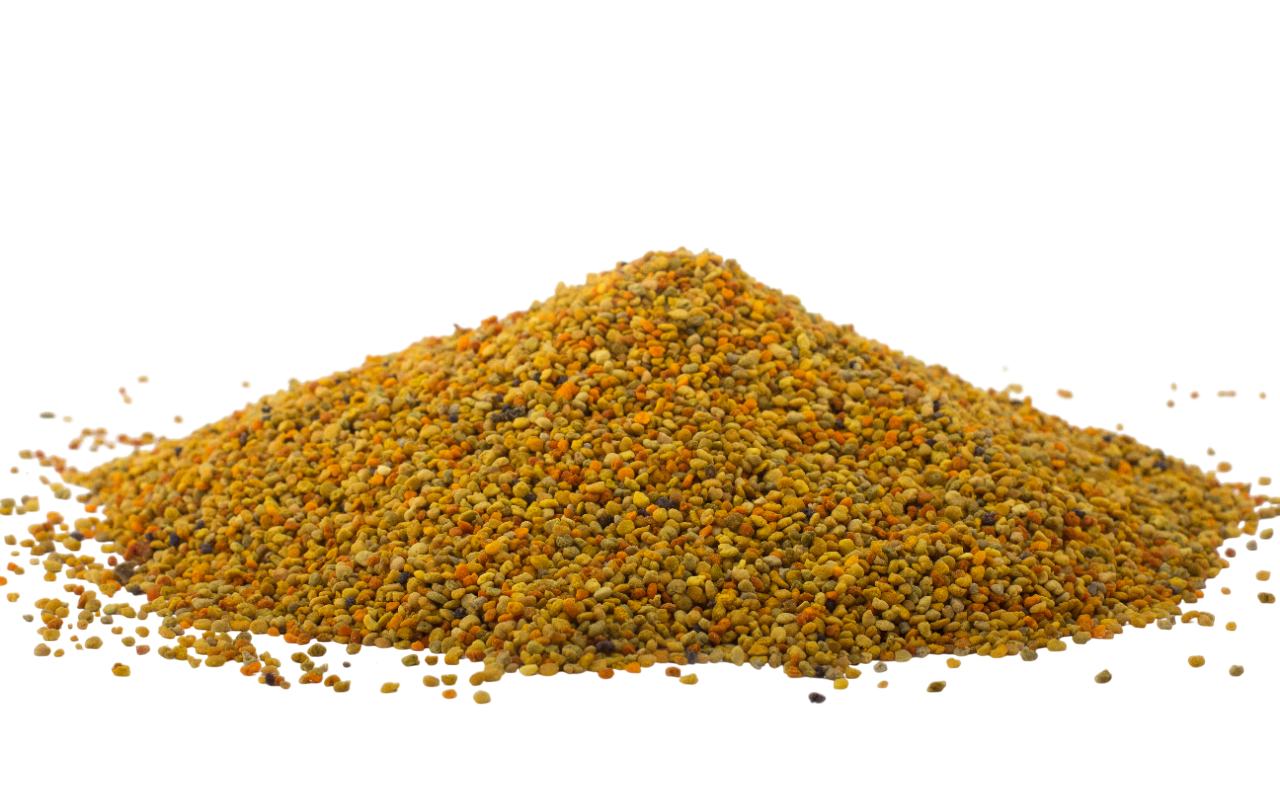
Bee Pollen

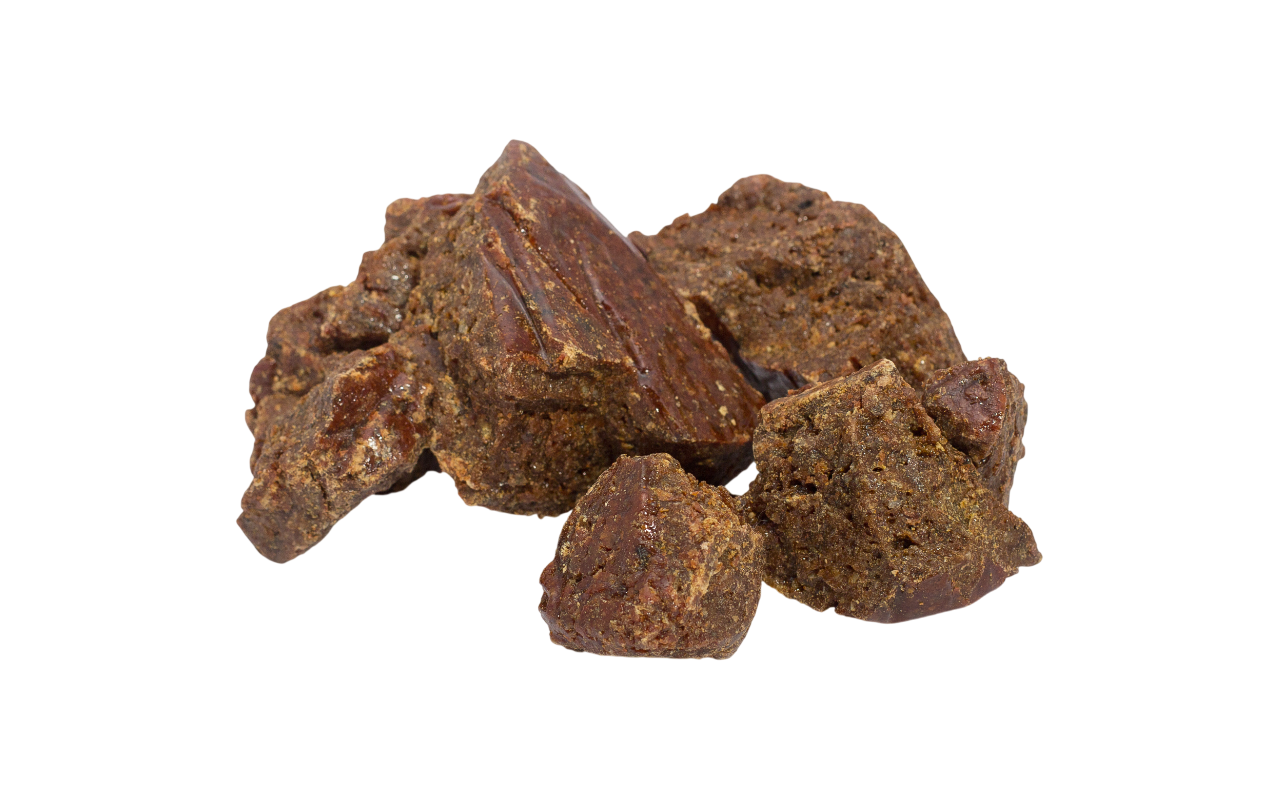
Propolis

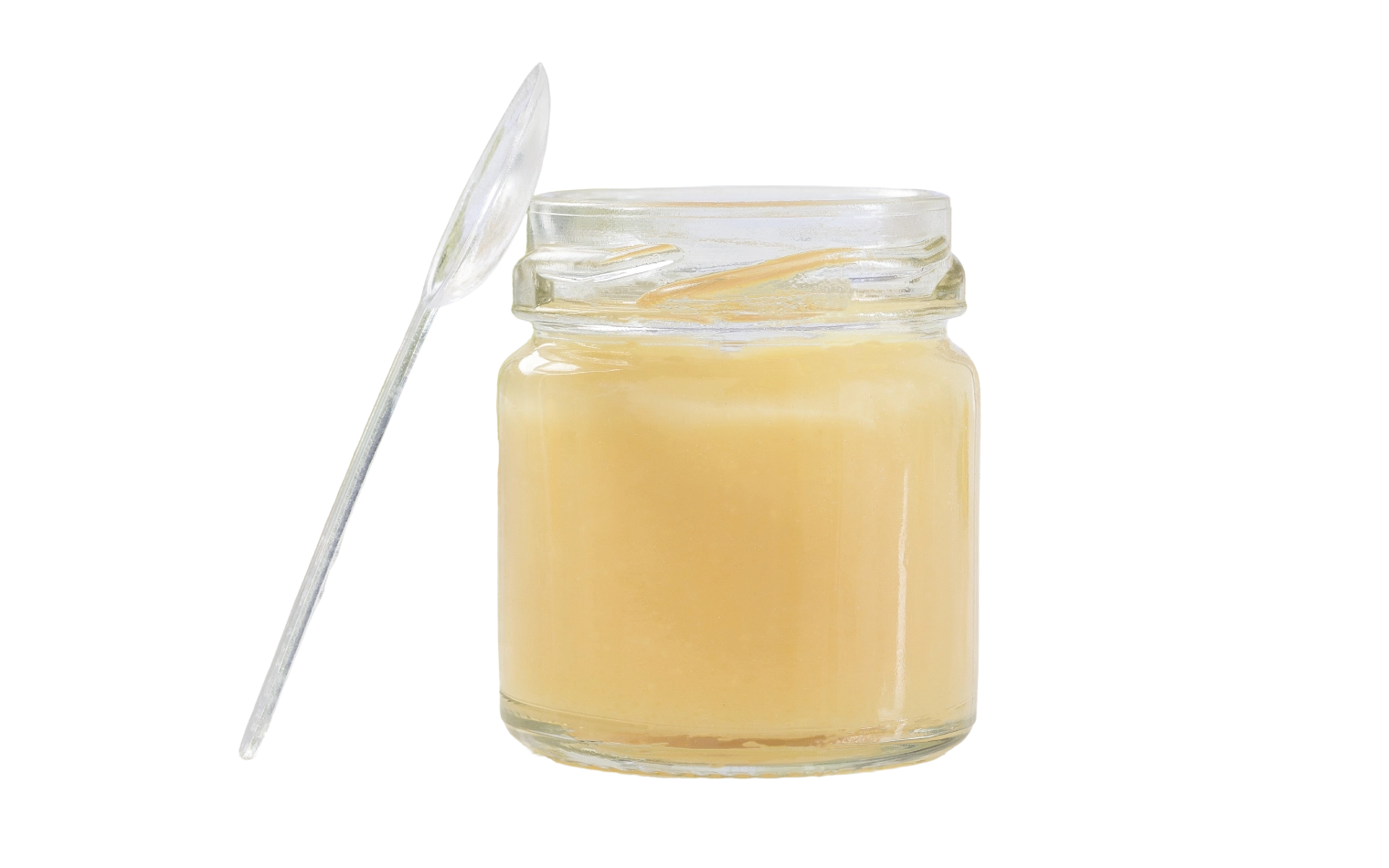
Royal Jelly