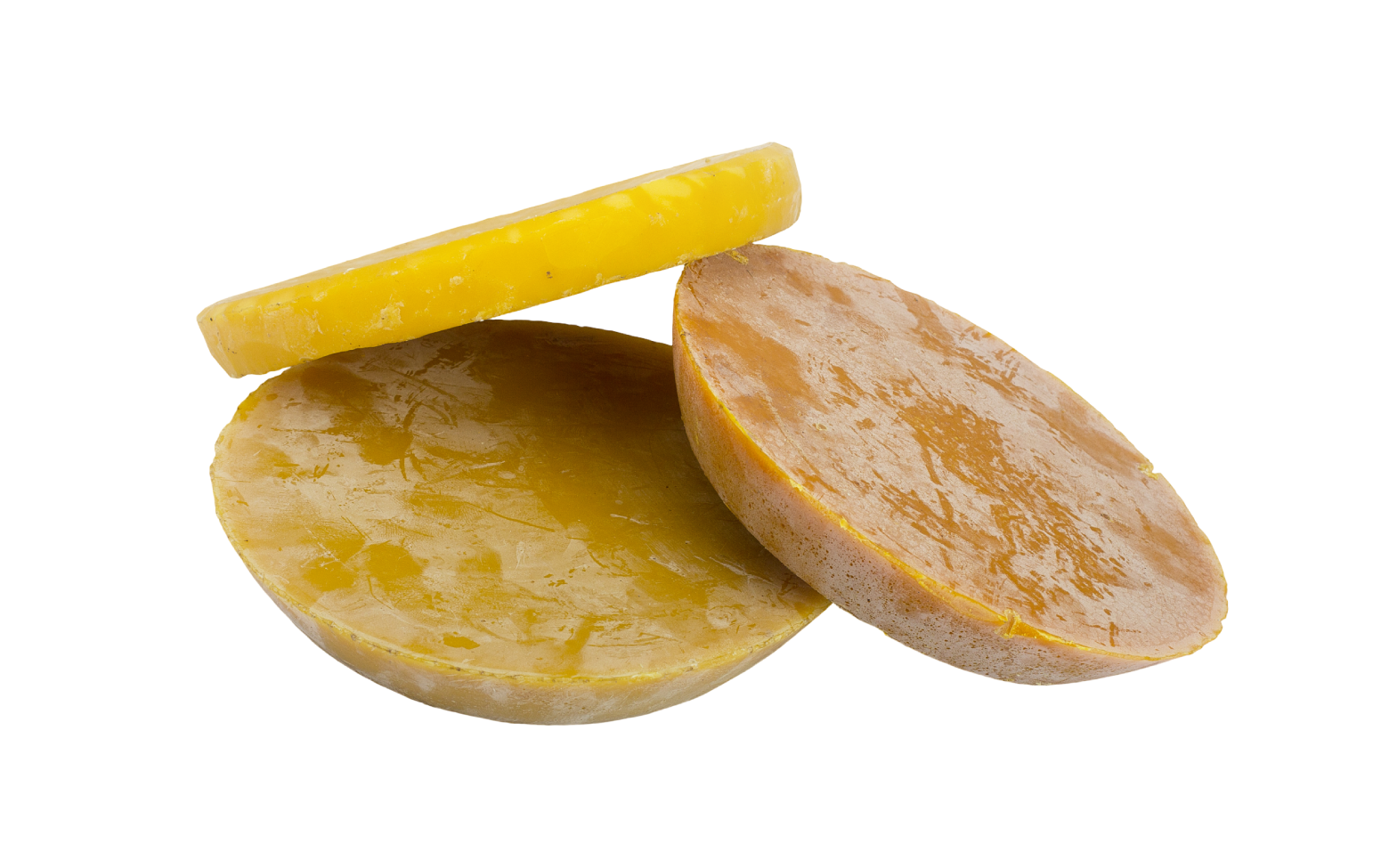

Standartas:
- Bus papildytas
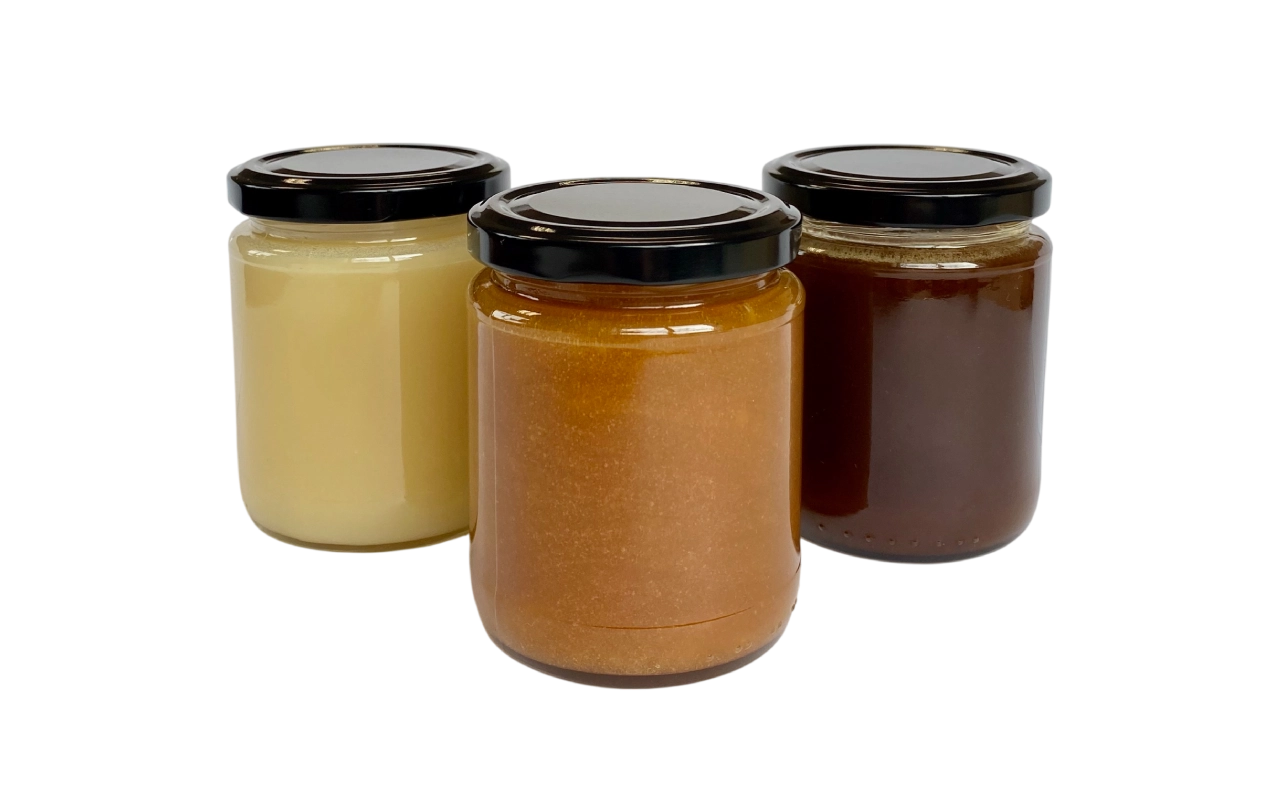
Mes superkame natūralų rūšinį medų tokį kaip: rapsų, pienių, dobilų, grikių, aviečių, liepų, viržių, miško, pavasarinį sodų – pienių medų. Taip pat superkamas šviesesnis ir vidutinio atspalvio vienodo intensyvumo įvairiažiedis medus.
Pirmenybę teikiame pastoviems tiekėjams, su kuriais senai bendradarbiaujame ir perkame laiko patikrintus kokybiškus produktus, atitinkančius klientų poreikius.
Atsakome į dažniausiai užduodamus klausimus. Čia rasite svarbiausią ir aktualiausią informaciją apie mūsų produkciją, gamybos procesus bei produktų naudą ir jų naudojimą.
Royal jelly is a nutrient-rich secretion produced by the glands of young worker bees (typically 5–14 days old) to feed the queen bee. It is a pale, pearlescent substance with a distinctive aroma and a sharp, slightly sour taste. Naturally rich in proteins, healthy fats, vitamins, minerals, and bioactive compounds, royal jelly is valued for supporting vitality and overall well-being.
Authentic royal jelly may contain natural inclusions seen through microscope such as pollen, tiny beeswax flakes, and plant particles, which help distinguish it from adulterated products. Royal jelly is extracted when the queen is temporarily removed from a bee colony that is preparing to hive, and the hive cradles are broken for the collection of the jelly.
Royal Jelly is the exclusive food that transforms an ordinary bee larva into a queen. This remarkable process highlights its biological potency and is why it is often referred to as a natural “elixir of life” and a powerful biostimulator.
Scientific studies show that royal jelly is a natural and highly potent antiseptic, with immunomodulating and detoxifying properties. It exhibits bacteriostatic and bactericidal activity, helping inhibit the growth and replication of harmful microorganisms, including certain viruses.
10-HDA (10-hydroxy-2-decenoic acid) is a unique bioactive compound found only in Royal Jelly. It is a key indicator of quality and is associated with antibacterial, immune-supporting, and other beneficial biological effects.
Our Royal Jelly contains a significant amount of 10-hydroxy-2-decenoic acid (10-HDA) content – of 3.5%, which indicates high activity and is a very important marker of overall product quality.
The protein composition of Royal Jelly closely resembles that of human blood serum. In our region, it is regarded as one of the most powerful natural biostimulators of animal origin, known for its ability to support and regulate development processes in both humans and animals.
Our Royal Jelly is characterised by a high content of 10-hydroxy-2-decenoic acid (10-HDA), a key bioactive lipid that reflects its biological potency. With a 10-HDA level of 3.5%, it demonstrates strong activity and serves as an important indicator of product quality. In addition, it is free from pesticide residues, heavy metals, and other contaminants, and is GMO-free.
Although the exact composition of Royal Jelly can vary depending on the age of the bees and the quality of available forage, its core structure remains consistent. It typically contains 60–70% water, around 20% protein, 1.4–4.3% fats, and approximately 18% sucrose. It also provides a wide spectrum of vitamins—including B-complex, A, C, D, PP, and E—along with 14–15 essential micronutrients.
Royal Jelly contains 22 amino acids necessary for normal growth, many of which cannot be produced by the human body and must be obtained through diet. It is particularly rich in minerals such as iron, sulphur, magnesium, manganese, calcium, zinc, and cobalt. In addition, it includes naturally occurring hormones, acetylcholine, and other biologically active compounds.
Due to its unique composition, royal jelly is highly digestible, with the human body able to absorb up to 80% of its active components.
Scientific studies indicate that royal jelly is a natural and highly active substance with antiseptic, immunomodulating, and detoxifying properties. It demonstrates bacteriostatic and bactericidal activity, helping to inhibit the growth and replication of harmful microorganisms, including certain viruses.
Royal jelly is associated with a wide range of beneficial effects:
Royal jelly is best taken in the morning or before lunch, ideally before meals. For maximum absorption, it should be placed under the tongue and allowed to dissolve slowly. This method allows the active compounds to enter the bloodstream directly through the oral mucosa. Swallowing it immediately is not recommended, as digestive enzymes may reduce its effectiveness.
The recommended daily intake for adults is 50–200 mg (approximately the size of a rice grain equals 80–100 mg), taken over a period of 15 to 30 days. For children, the daily amount should not exceed 10–50 mg.
Royal jelly can also be mixed with honey in a ratio of 1:10, taking about one teaspoon of the mixture 2–3 times per day before meals. It may also be consumed in other forms such as tablets or capsules, following the manufacturer’s instructions.
For best results, royal jelly is typically taken in courses of up to one month, which can be repeated several times a year with a break of about one month between cycles—especially during winter and spring.
Is royal jelly safe for everyone?
Royal jelly is generally safe for most people and is widely used as a natural dietary supplement. However, it is not recommended for:
High doses of royal jelly (above 500 mg per day) have been observed in research to potentially stimulate the growth of malignant tumours. Normal, recommended doses of 50–200 mg per day do not show these negative effects.
Royal jelly should not be taken late at night, as its tonic effect may interfere with sleep. For therapeutic or prolonged use, it is advisable to consult a doctor or a certified apitherapy specialist.
Pure royal jelly is best stored in the freezer, typically in small glass containers (5–15 g), to preserve its biological activity. Before use, allow the container to sit at room temperature for 2–3 minutes, then take a small amount (about the size of a rice grain) using a clean, preferably glass, spatula.
During regular use, royal jelly can be kept in the refrigerator. For longer storage periods or when not in use, it should be returned to the freezer. Exposure to room temperature for extended periods can reduce its effectiveness, as its active compounds begin to break down and the colour may gradually turn more yellow.
Royal jelly can also be mixed with honey (1 part royal jelly to 10 parts honey) and stored in a cool place or refrigerator. Other natural forms of royal jelly—such as mixtures, ampoules, or suppositories—should also be kept refrigerated. Freeze-dried royal jelly, however, can be stored at room temperature in a dark, dry, and well-ventilated environment.
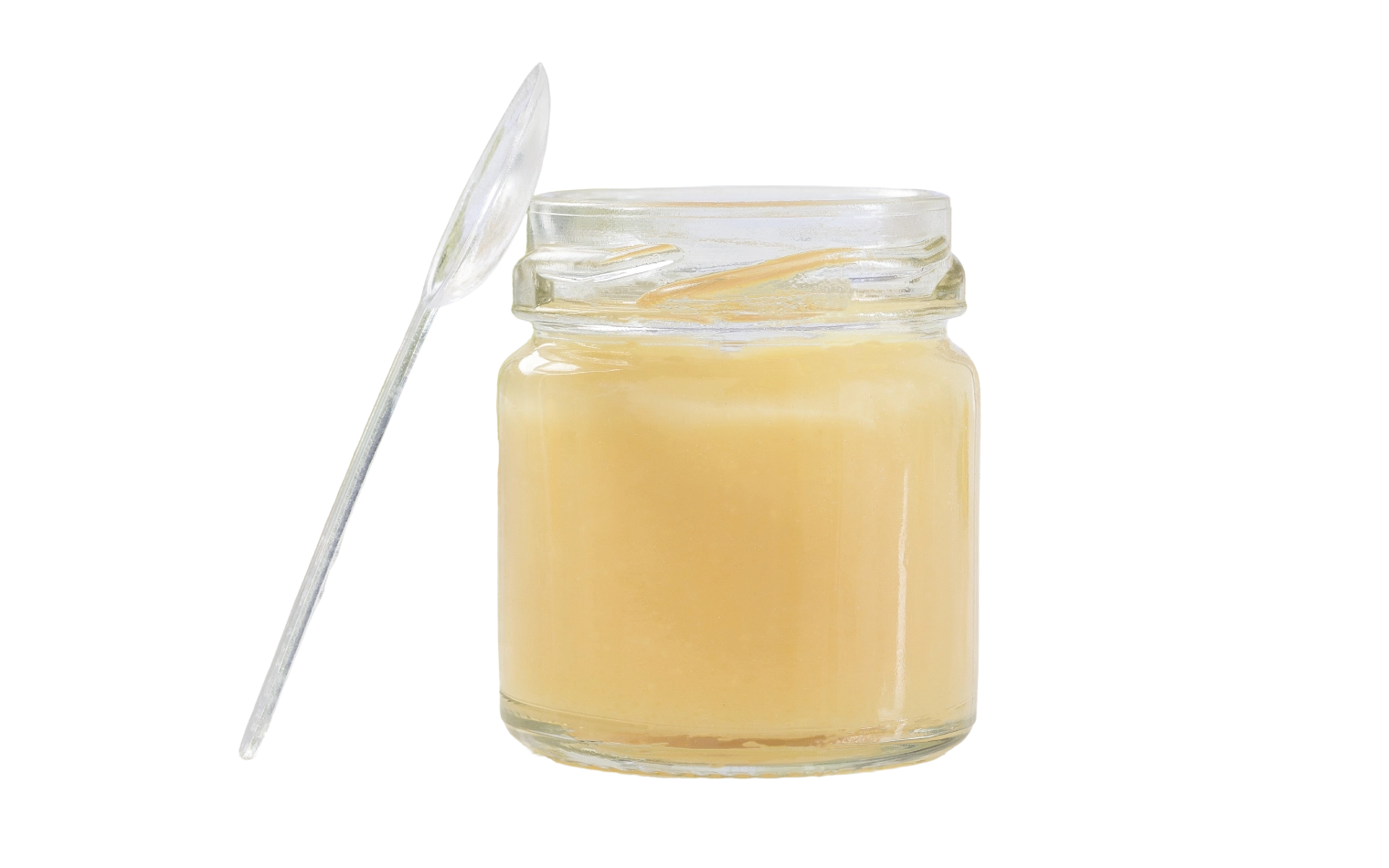
Royal jelly typically has a pale white to light yellow colour and a sharp, slightly sour taste. Variations in colour, aroma, and flavour depend on origin and composition, with lighter tones often indicating higher purity.