Medaus standartas:
- Fruktozės ir Gliukozės kiekis: ≥ 75 %
- Dirbtinių cukrų kiekis: negali būti
- Drėgmė: ≤ 17-19 % pagal medaus tipą
- Diastazė: ≥ 15 vienetų
- Rūgštingumas PH: 3,5 ÷ 4,5
- Hidroksimetilfurfurolas (HMF): ≤ 5 mg/kg
- Antibiotikai – negali būti.
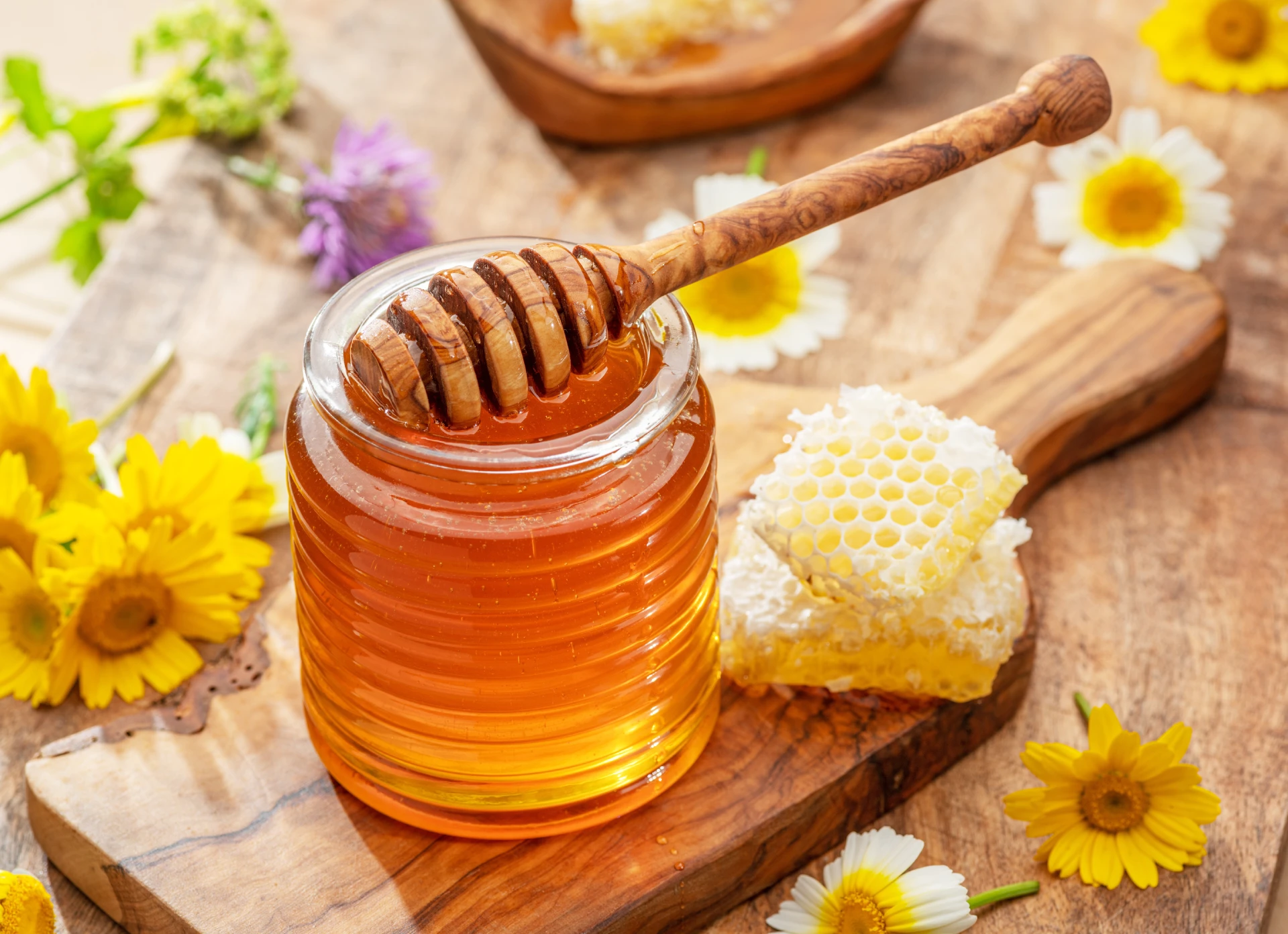
Išskirtinį dėmesį teikiame rūšiniam medui, natūralios gamtos, pievų, miško, žiedų medui ir jį labai vertiname. Už tokį medų mokame aukštesnes kainas lyginant su įprastu medumi, surinktu iš kultūrinių žiedų.
Mes superkame natūralų įvariažiedį ir rapsų medų dideliais kiekiais iš lietuvos bitininkų.
Taip pat perkame ir rūšinį medų: pienių, dobilų, grikių, aviečių, liepų, viržių, miško, pavasarinį sodų – pienių medų. Taip pat superkamas šviesesnis ir vidutinio atspalvio vienodo intensyvumo įvairiažiedis medus.
Pirmenybę teikiame pastoviems tiekėjams, su kuriais senai bendradarbiaujame ir perkame laiko patikrintus kokybiškus produktus, atitinkančius klientų poreikius.
Atsakome į dažniausiai užduodamus klausimus. Čia rasite svarbiausią ir aktualiausią informaciją apie mūsų produkciją, gamybos procesus bei produktų naudą ir jų naudojimą.
Honey is one of the world’s oldest natural sweeteners, valued for thousands of years for its nutritional and beneficial properties. Unlike refined sugar, honey is a natural product that contains enzymes, antioxidants, vitamins, and minerals that support the human body.
Honey is produced by bees from the nectar of flowering plants and plant secretions. Through a natural process involving enzymatic activity, digestion, and evaporation, bees transform nectar into thick, nutrient-rich, antioxidant honey, which is then stored in the hive.
Baltic honey is produced in a clean and biologically rich environment with forests, wild meadows and diverse flowering plants. The northern climate allows plants to bloom longer, resulting in honey with richer composition, stronger flavour and higher biological activity compared to honey from warmer regions.
Yes, our honey is 100% natural. It is not thermally processed, chemically treated, or irradiated. It is GMO-free, unfiltered and may naturally contain pollen and propolis, preserving all its beneficial components.
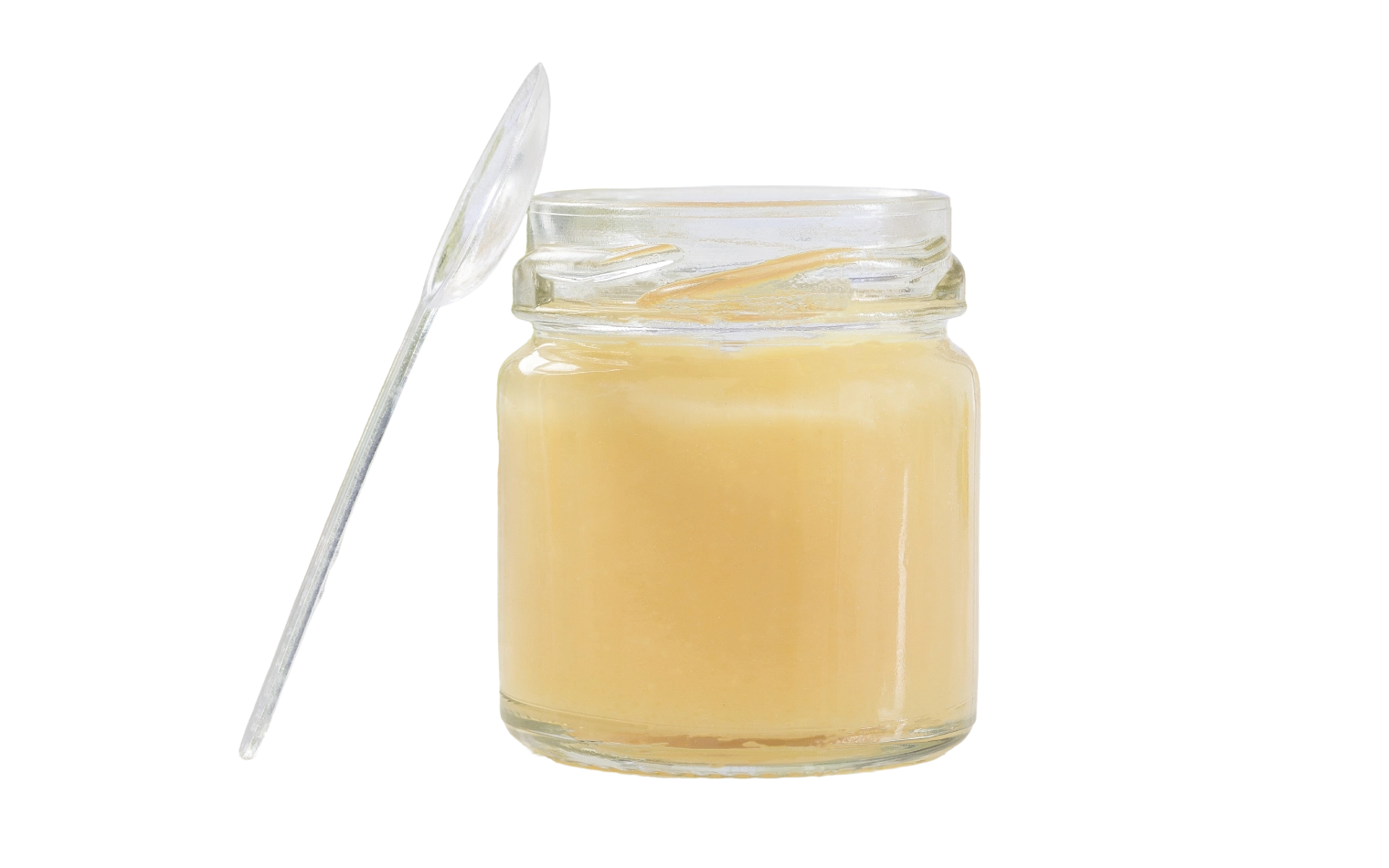
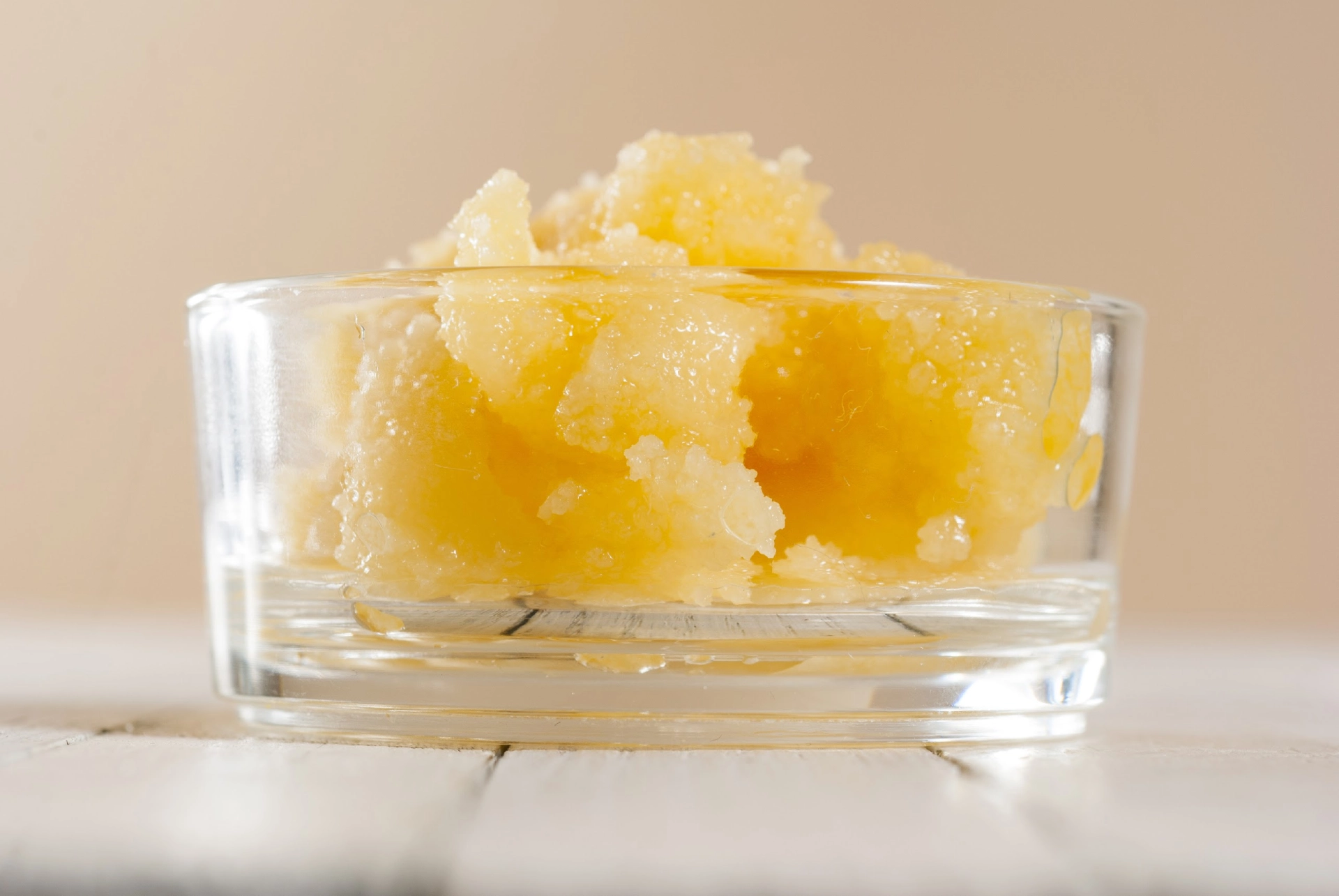
Crystallization is a natural process and a sign of authentic, raw, unprocessed honey. The speed of crystallization depends on the honey variety and its natural composition, particularly the ratio of glucose to fructose.
Monofloral honey is mainly derived from one plant species, while polyfloral honey comes from a variety of flowering plants. In practice, completely pure monofloral honey is rare, as bees naturally collect nectar from multiple plants.
Colour does not determine quality but reflects the floral source. Lighter honey usually has a milder taste, while darker honey tends to have a stronger flavour, aroma and often contains higher levels of enzymes and minerals.
Yes, every batch of honey is tested in specialised laboratories, including NMVRVI, Eurofins, QSI, and Intertek. Testing includes parameters such as moisture content, HMF, pH, diastase activity, pollen profile, and absence of contaminants.
Honey contains naturally occurring enzymes, antioxidants, vitamins and minerals. It is known for its antibacterial, antioxidant and anti-inflammatory properties and can support digestion, immunity and overall well-being.
Forest (Honeydew) honey is produced when bees collect honeydew from trees rather than flower nectar. It is rich in minerals, amino acids and oligosaccharides, typically crystallizes more slowly due to its higher fructose content.
Honey should be stored in a sealed container at room temperature, away from direct sunlight and heat sources such as ovens. It does not require refrigeration, but should be protected from moisture and strong odours due to its hygroscopic nature.